
 Save
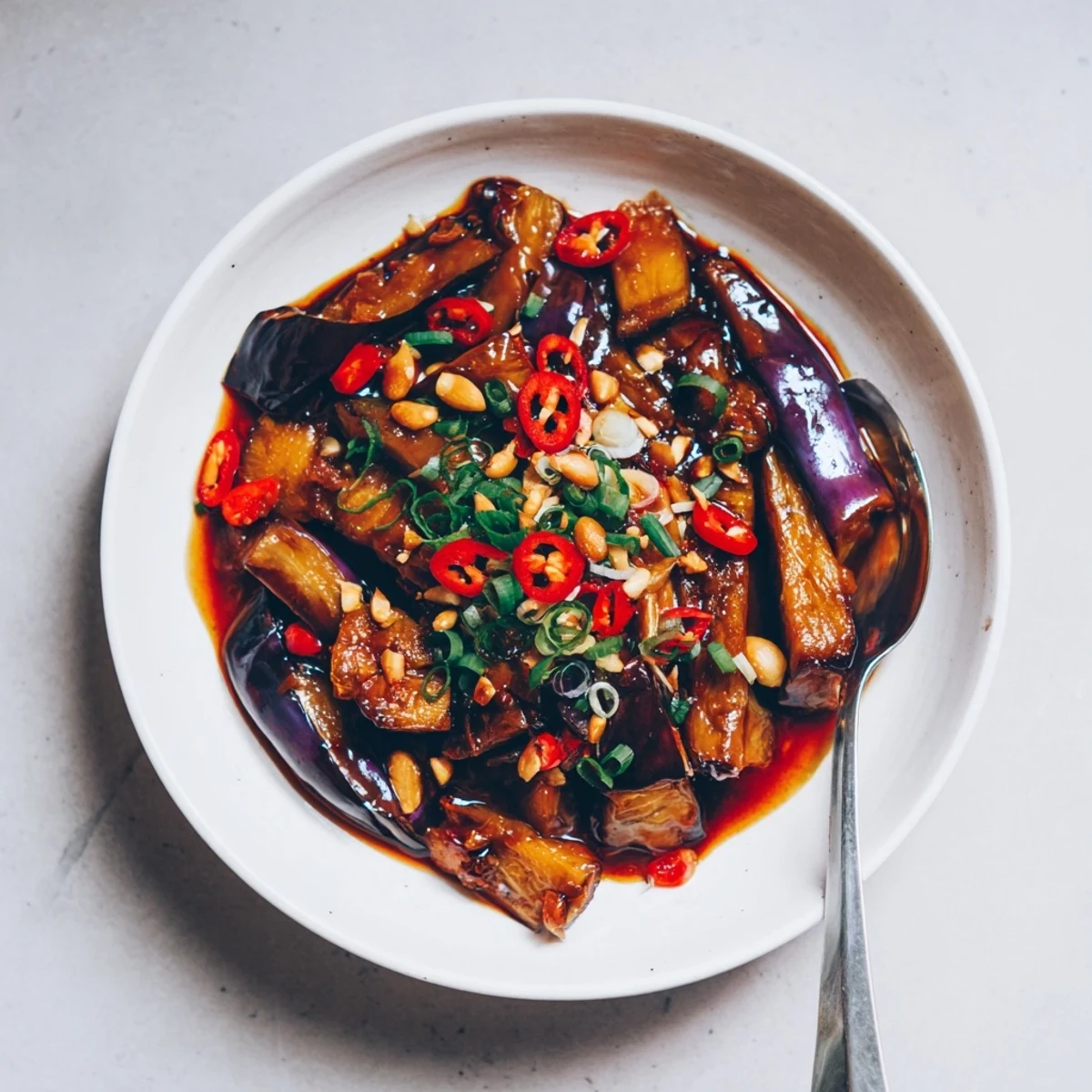
Save Silky aubergine batons are salted, fried until tender, then simmered in a spicy Sichuan doubanjiang sauce with garlic, ginger, soy and a splash of rice vinegar. A cornstarch slurry thickens the glaze; finish with sesame oil and sliced spring onions. Ready in 40 minutes, it pairs beautifully with steamed rice or noodles for a satisfying vegetarian main.
The rhythmic sizzle of sliced aubergine hitting hot oil is still one of my favorite sounds in the kitchen. One late summer afternoon, I tossed together this Sichuan-Style Braised Aubergine, half for the challenge, half for the irresistible aroma that fills the whole house with toasty garlic and chili. My curiosity for bold, punchy flavors led me to this dish, and I’ve hardly craved a plain side of vegetables since. Cooking it is always a little adventure, each step layered with wafts of spice and anticipation for the first fiery bite.
Last time I made this, my friend dropped in unannounced, lured by the dizzying perfume of sizzling garlic and doubanjiang. We ended up gathered around the stove, sneaking tender aubergine slices straight from the pan and debating just how much chili was too much. Cooking together, we found the sweet spot; every taste had us nodding and grinning, and it turned a regular evening into something fun and memorable.
Ingredients
- Aubergines (Eggplants): Larger batons give the dish its creamy texture once braised; I always salt and pat them dry to avoid any bitterness or excess oiliness.
- Spring onions: Their crunch and sharpness brighten up every bite, so reserve a handful for garnish at the end.
- Garlic & Ginger: Don’t skimp–freshly minced is intensely fragrant and makes the base of the dish’s flavor.
- Red chili: Use as much or as little as you like; sometimes, I toss in an extra one for a spicy kick.
- Doubanjiang: This unique, fermented paste is the heart of Sichuan spice; buy a good-quality jar and taste before cooking—it varies in heat!
- Soy sauce & dark soy sauce: The duo gives both saltiness and color—mixing both really deepens the flavor profile.
- Rice vinegar & sugar: Together they balance out the heat and salt with just a touch of sweetness and sharpness.
- Vegetable stock: Lends moisture and richness—sometimes I use mushroom stock for extra umami.
- Vegetable oil: Use plenty for frying, but drain well after so the dish doesn’t feel heavy.
- Sesame oil: A drizzle at the end adds nutty aroma; too much can overpower, so go easy.
- Salt: Sprinkle strategically—a little before and a little after lets you better control the seasoning.
- Cornstarch: Whisked with water, it thickens the sauce to that glossy consistency worth spooning over rice.
Instructions
- Prep the Aubergine:
- Lightly salt the aubergine batons and let them sit—after ten minutes, you’ll notice beads of water on the surface. Give them a quick rinse and blot dry with kitchen towels, squeezing gently to remove excess moisture.
- Fry Until Golden:
- Heat 3 tablespoons of oil in your largest skillet and add the aubergine. Let them sizzle, turning occasionally, until each piece softens and develops deep golden edges—about six to eight minutes—then set them on paper towels to drain.
- Stir-Fry Aromatics:
- Pour off excess oil, leaving about a tablespoon. Toss in the ginger, garlic, and red chili, and let the sizzling, fragrant steam rise up—stir for just a minute so nothing burns.
- Cook the Doubanjiang:
- Add the doubanjiang and keep things moving; after a minute, the oil will turn a vivid red and smell deeply savory and spicy.
- Sauce and Braise:
- Return the aubergine to the pan and add both soy sauces, rice vinegar, sugar, and vegetable stock. Toss gently so every baton gets coated, cover, and let it bubble away on low for eight to ten minutes—peek in and stir once or twice.
- Thicken the Sauce:
- Mix the cornstarch with two tablespoons of water to form a smooth slurry. Stir it into the pan and cook, watching as the sauce quickly thickens and glistens—all done in about half a minute.
- Finish with Aroma:
- Switch off the heat, drizzle over the sesame oil, and scatter spring onions all over. Serve straight away while every bite is piping hot and the fragrance fills the kitchen.
 Save
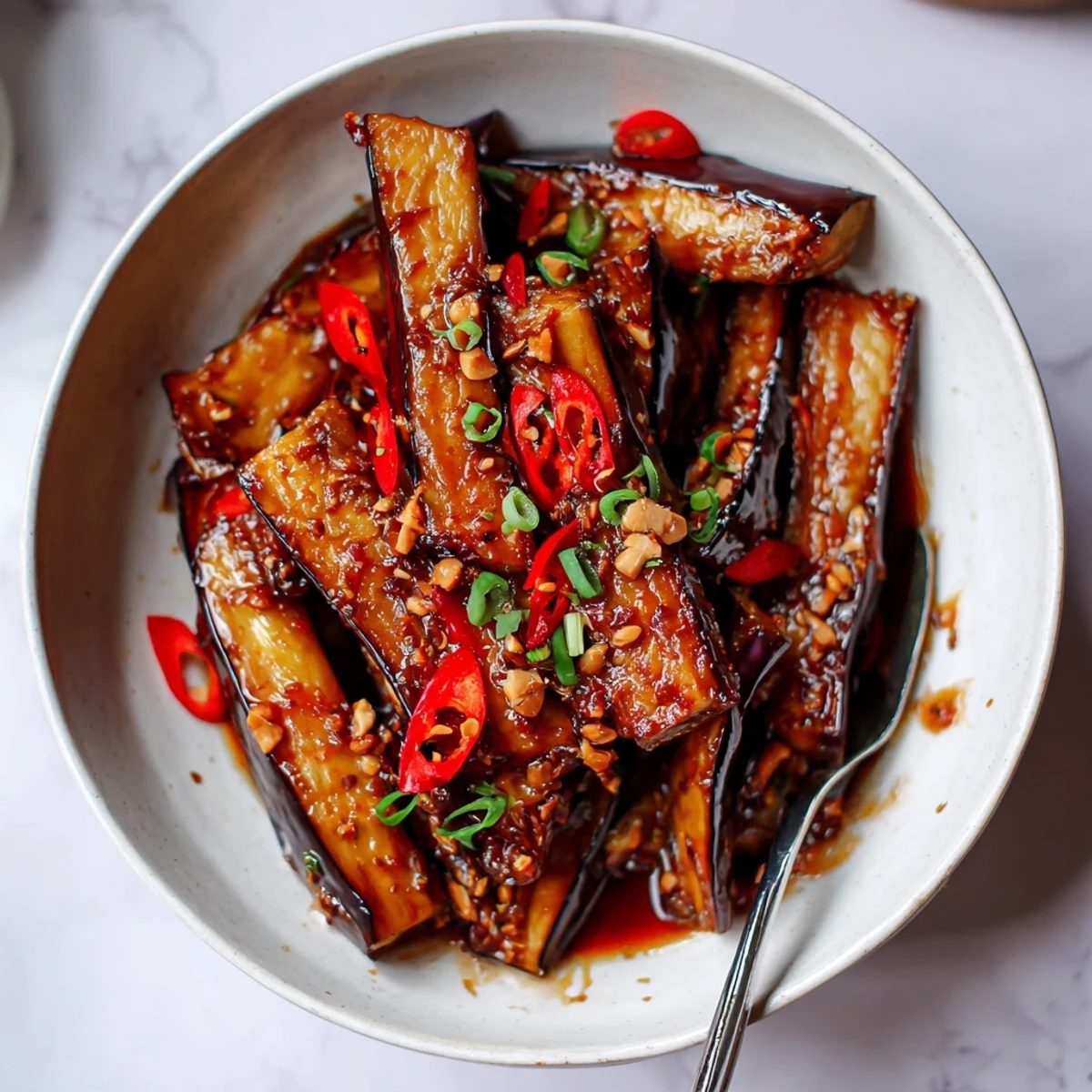
Save There’s a special kind of hush at the table when someone takes the first bite, the fiery sauce and silky aubergine making any distractions fade. I once watched a friend close her eyes after a taste—it was quiet, except for laughter and the sound of chopsticks racing back for seconds.
Choosing the Right Aubergine
If you can find slim Asian varieties, they absorb less oil and cook faster; but even with larger globes, a bit of extra draining works wonders. Cut the pieces chunky—they’ll collapse to the right tenderness, but not disappear altogether.
Adjusting the Spice
I’ve realized the amount of chili and doubanjiang you use sets the tone for the whole meal. Start with less if you’re unsure, and add extra chili or a pinch of Sichuan peppercorns for blistering heat and that signature tingle.
Serving Suggestions That Never Fail
Serve this aubergine over fluffy steamed rice, or spoon it onto thick noodles for a cozy weeknight dinner. Toasted peanuts scattered on top add wonderful crunch and balance the sauce.
- Leftovers are excellent cold or reheated in a pan.
- This makes a great centrepiece for a simple vegan feast—just pair with a cucumber salad and tea.
- A little extra sesame oil or chili oil just before serving brightens up the flavors.
 Save
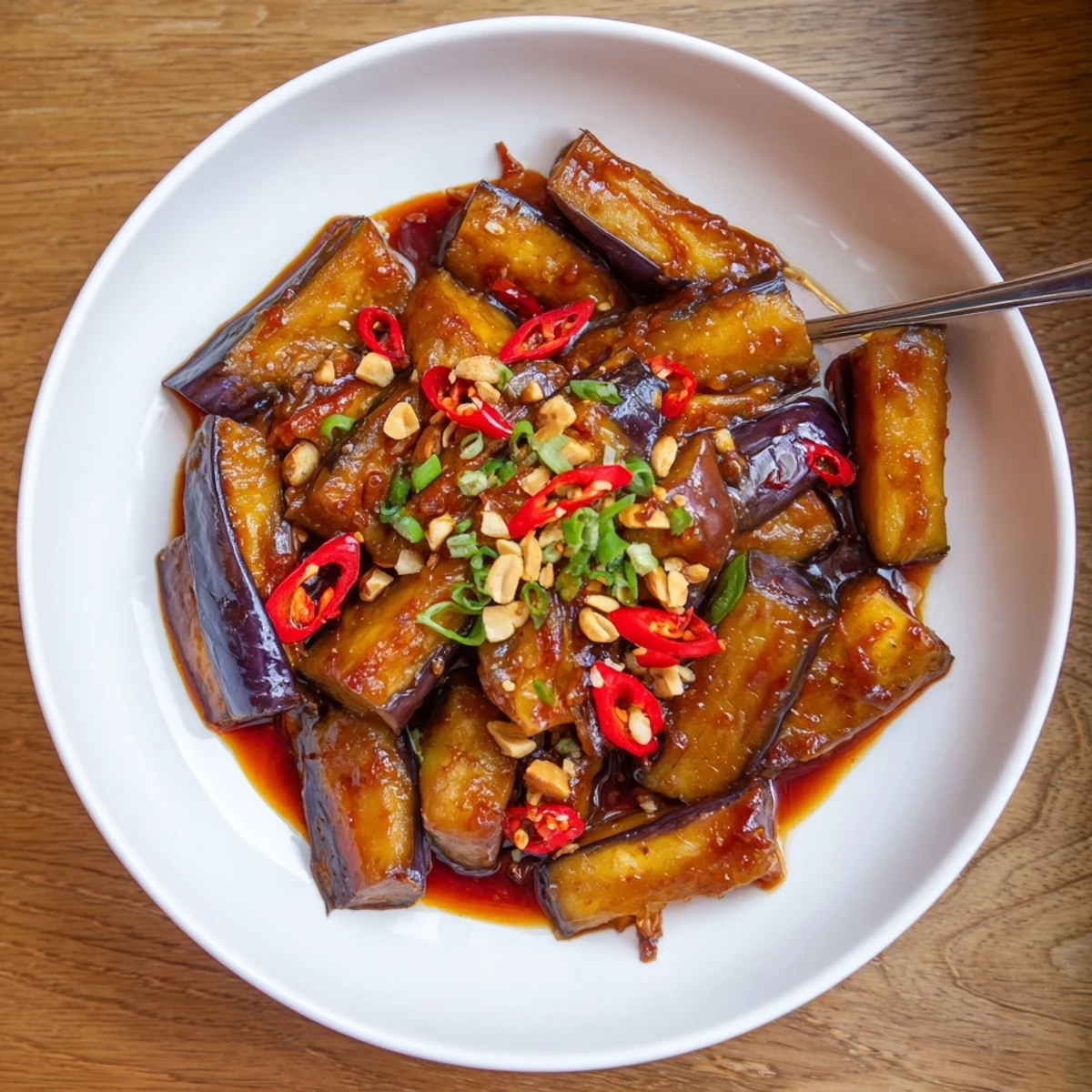
Save Whether you make it tongue-numbing or keep it mellow, this Sichuan aubergine bridges comfort food and adventure every time. Hope your kitchen smells as good as mine does by the end.
Common Questions
- → Why salt aubergines before cooking?
-
Salting draws out excess moisture and helps reduce oil absorption during frying. After a short rest, rinse and pat dry to avoid a salty finish while retaining a creamier texture inside.
- → Can I substitute doubanjiang if unavailable?
-
Yes—use a mix of chili garlic sauce with a touch of miso or fermented bean paste to mimic the savory, fermented depth. Flavor will differ, so adjust salt and acidity to taste.
- → Fry or roast the aubergine—which is better?
-
Frying delivers a rich, silky interior and browned edges that soak up sauce quickly. Roasting uses less oil and offers a smokier tone but may take longer to achieve the same tenderness.
- → How do I stop aubergine from soaking up too much oil?
-
Salt briefly to draw out water, pat dry, use a hot pan and fry in batches without overcrowding. Draining on paper towels and leaving a small amount of oil in the pan for aromatics also helps control greasiness.
- → How can I add authentic Sichuan heat and numbing flavor?
-
Toast and crush Sichuan peppercorns and add with the garlic and ginger for numbing warmth. Increase doubanjiang or sliced chilies for heat, adjusting to your tolerance.
- → What are the best storage and reheating tips?
-
Cool fully, refrigerate in an airtight container for up to 3 days. Reheat gently over low heat, adding a splash of stock or water to loosen the sauce and revive the texture.