
 Save
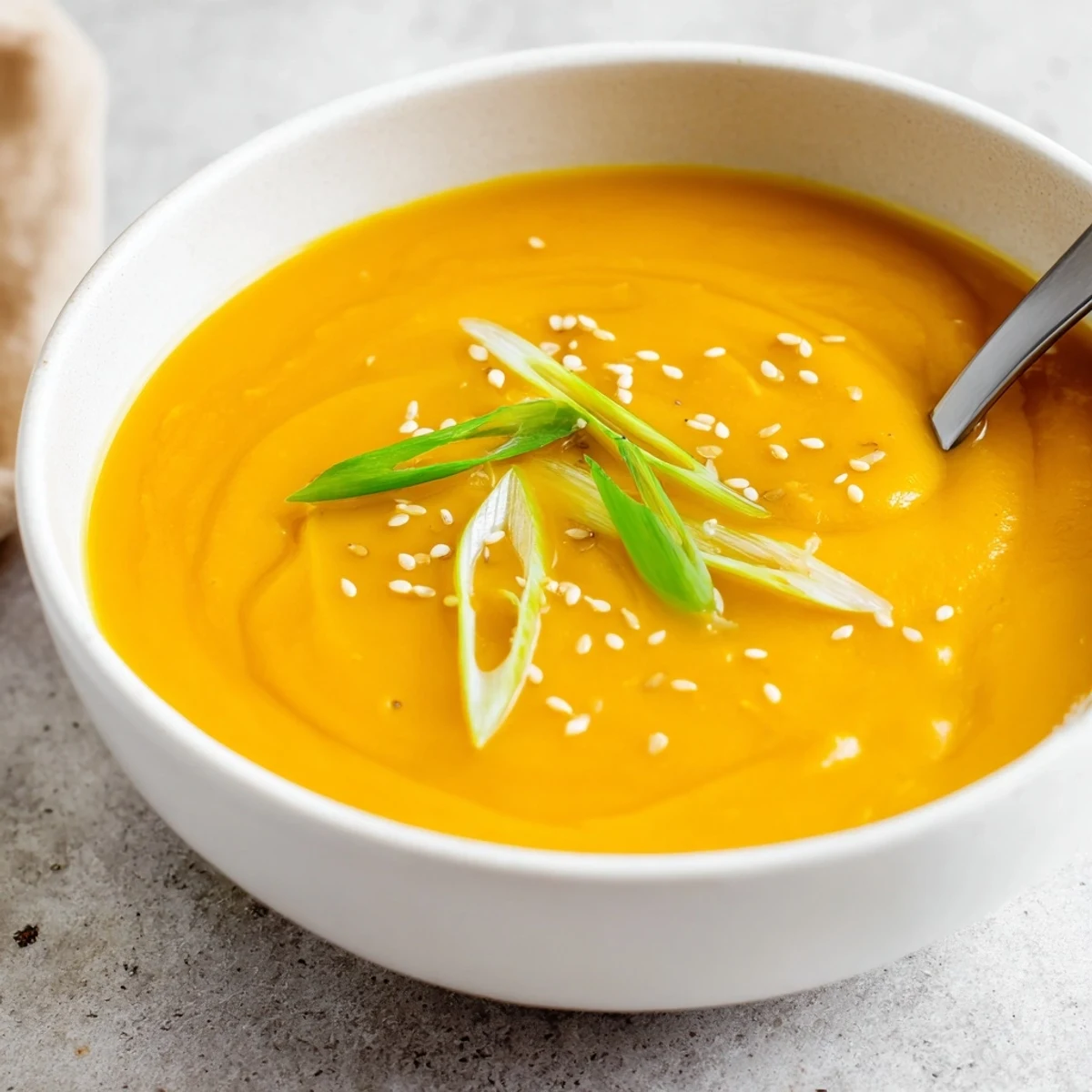
Save This vibrant, umami-forward soup starts with sautéed onion, garlic and grated ginger, then simmered carrots are puréed with vegetable broth until silky. Miso is dissolved in a ladleful of hot soup and stirred back in off the heat to preserve flavor. Use an immersion blender or blend in batches; add coconut milk for creaminess. Garnish with scallions and toasted sesame. Total time: 35 minutes.
The rain was hammering against the kitchen window and I had half a bag of carrots staring at me from the crisper drawer, which is honestly how most of my best recipes begin. I was not planning on anything remarkable, just something warm. What came out of that pot an hour later made me set down my spoon and just sit with it for a moment, which rarely happens on a Tuesday.
I brought this to a potluck once and watched a friend who claims to hate all root vegetables go back for seconds without saying a word. That silence told me everything. The ginger gives it just enough kick to keep things interesting without scaring anyone off.
Ingredients
- 1 lb carrots, peeled and sliced: The sweeter the better here, so do not grab the faded looking ones lurking in the back of the produce section.
- 1 medium onion, diced: Yellow onion works best, but honestly use whatever you have.
- 2 garlic cloves, minced: Fresh is nonnegotiable for this one, the jarred stuff will flatten the flavor.
- 1 inch fresh ginger, peeled and grated: Microplane it if you can, the finer the grate the more warmth spreads through the whole pot.
- 4 cups vegetable broth: Low sodium lets you control the salt later.
- 2 tbsp white miso paste: This is the soul of the soup, so spring for the good stuff from the refrigerated section.
- 1 tbsp olive oil: Just enough to get the onions going.
- 1 tbsp soy sauce: Use tamari if you need it gluten free, either way it deepens the umami beautifully.
- Salt and pepper: To taste at the end, and trust me you will need less than you think.
- Scallions and sesame seeds for garnish: Optional but they add a crunch and freshness that pulls everything together.
Instructions
- Wake up the onions:
- Heat the olive oil in a large pot over medium heat and cook the diced onions for about four minutes until they turn translucent and smell like the beginning of something good.
- Build the aroma base:
- Toss in the garlic and grated ginger, stirring for about a minute until your kitchen smells like a cozy ramen shop.
- Let the carrots join:
- Add the sliced carrots and stir them around for two minutes so they pick up a little color and get coated in all that flavorful oil.
- Simmer everything into tenderness:
- Pour in the vegetable broth, bring it to a boil, then drop the heat and let it simmer for eighteen to twenty minutes until the carrots are soft enough to mash with a fork.
- Blend until silky:
- Use an immersion blender right in the pot or carefully transfer to a blender in batches and puree until completely smooth.
- Add the miso gently:
- Scoop a ladleful of hot soup into a small bowl and dissolve the miso paste into it before stirring it back into the pot with the soy sauce, never boil the soup after this step or you will kill the probiotics and dull the flavor.
- Taste and serve:
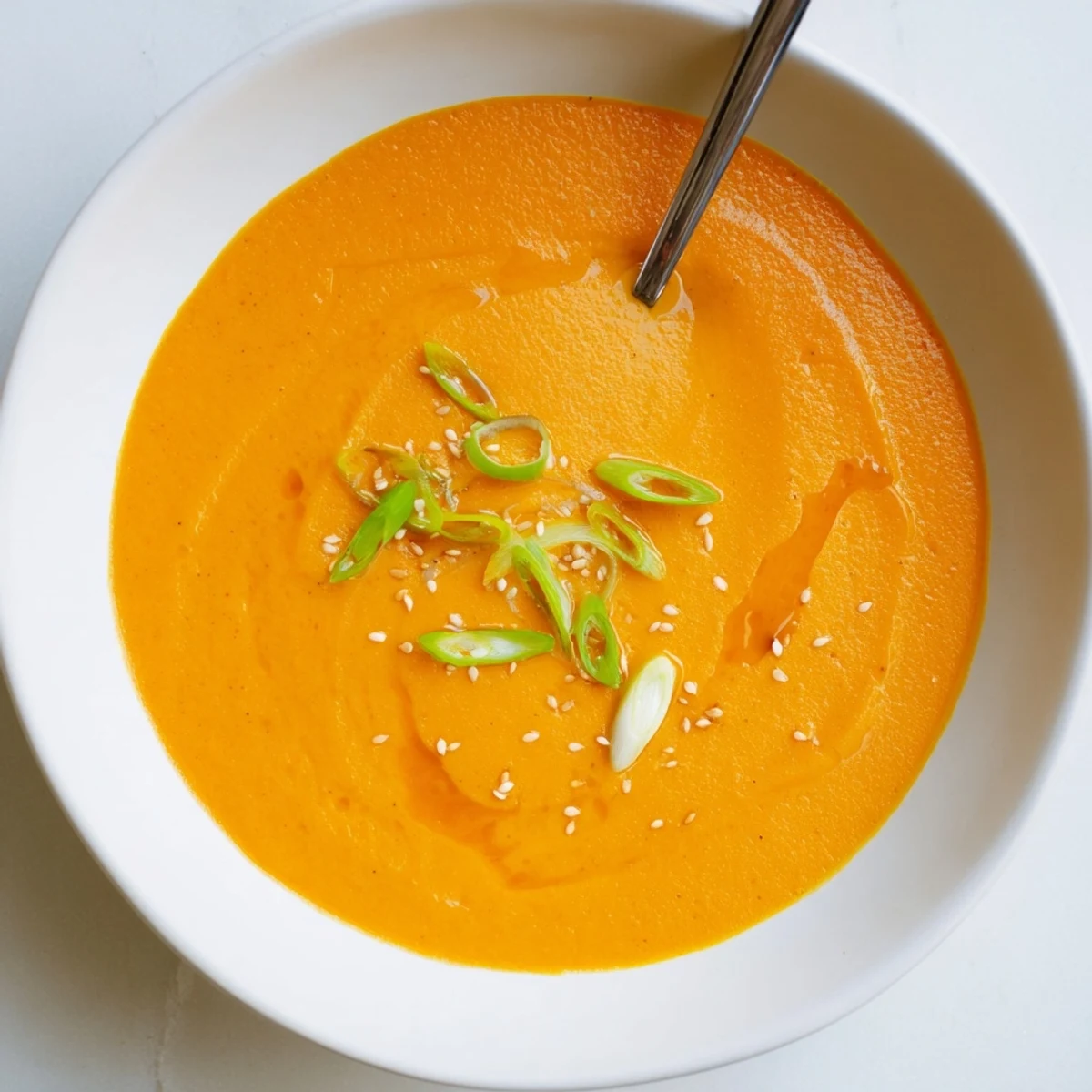
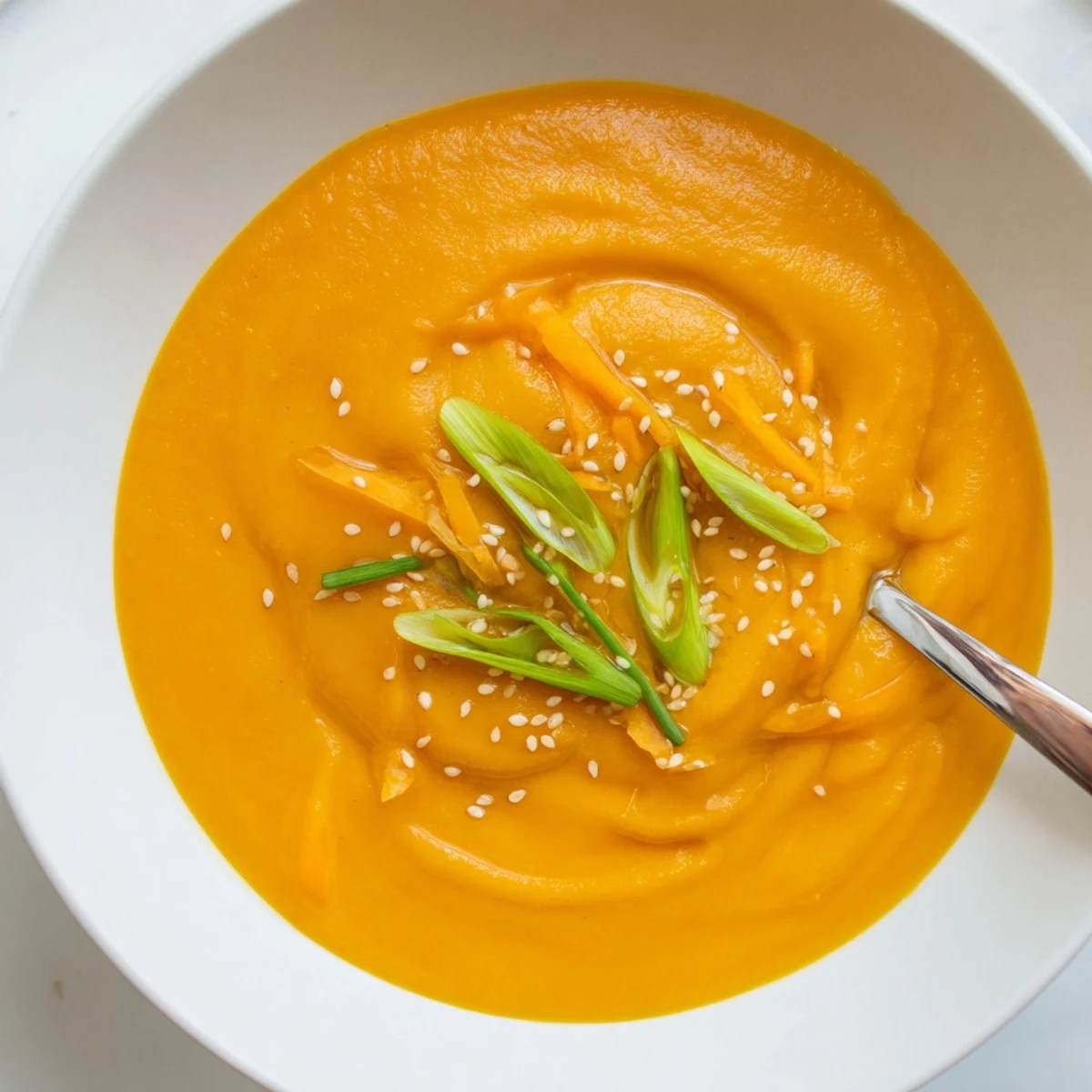
- Season with salt and pepper as needed, then ladle into bowls and finish with sliced scallions and a sprinkle of toasted sesame seeds.
 Save
Save One cold evening my neighbor knocked on my door to return a borrowed pan just as this soup was finishing. I handed her a bowl to take home and the next day she texted me just the word unbelievable with three exclamation marks.
When to Make It
This soup thrives in that gray zone between seasons when you want something warm but not heavy. It is also a perfect reset meal after a weekend of indulging, gentle on the stomach but genuinely satisfying. I have started making a double batch on Sundays to keep in the fridge for quick lunches all week.
Fun Ways to Change It Up
Try swapping half the carrots for sweet potatoes if you want an even creamier result without adding any dairy. A pinch of chili flakes right at the end gives it a surprising little kick that I now crave. A splash of coconut milk swirled in before serving turns it into something that feels almost luxurious for almost no extra effort.
What to Serve Alongside
This soup loves crusty bread for dipping, a simple green salad with a sesame dressing, or even just a handful of crackers if you are eating standing over the sink which I fully support. A glass of Riesling beside it on a Friday evening is an underrated combination worth trying.
- Toasted sourdough makes an excellent dipping vehicle and adds a nice tangy contrast.
- A drizzle of chili oil on top transforms it from comforting to exciting in one second flat.
- Always taste for salt at the very end because miso and soy sauce vary widely in saltiness between brands.
 Save
Save Keep this one in your back pocket for the days when you need dinner to take care of you for a change. It always does.
Common Questions
- → How do I incorporate miso without losing its flavor?
-
Dissolve the miso in a ladleful of hot soup off the heat and then stir it back into the pot. Avoid boiling after adding miso to preserve its delicate umami and probiotics.
- → What gives the soup a silky texture?
-
Purée the cooked carrots and broth with an immersion blender or in batches in a stand blender until completely smooth. A splash of coconut milk or extra broth also smooths and enriches the texture.
- → Can I substitute other vegetables for some carrots?
-
Yes — swap up to half the carrots for sweet potato or butternut squash for a deeper sweetness and creamier body. Adjust simmer time until all vegetables are very tender.
- → How can I keep this gluten-free?
-
Use tamari or a certified gluten-free soy sauce and choose a certified gluten-free miso paste. Always check labels, as some miso varieties contain barley or wheat.
- → What’s the best way to store and reheat this soup?
-
Cool and refrigerate in a sealed container for 3–4 days or freeze for up to 2 months. Reheat gently on the stove; if miso was added before storing, heat slowly and do not boil to protect flavor.
- → What garnishes and finishing touches work well?
-
Finish bowls with thinly sliced scallions, toasted sesame seeds, a drizzle of sesame oil, or a pinch of chili flakes for heat. A squeeze of lime brightens the flavors just before serving.