
 Save
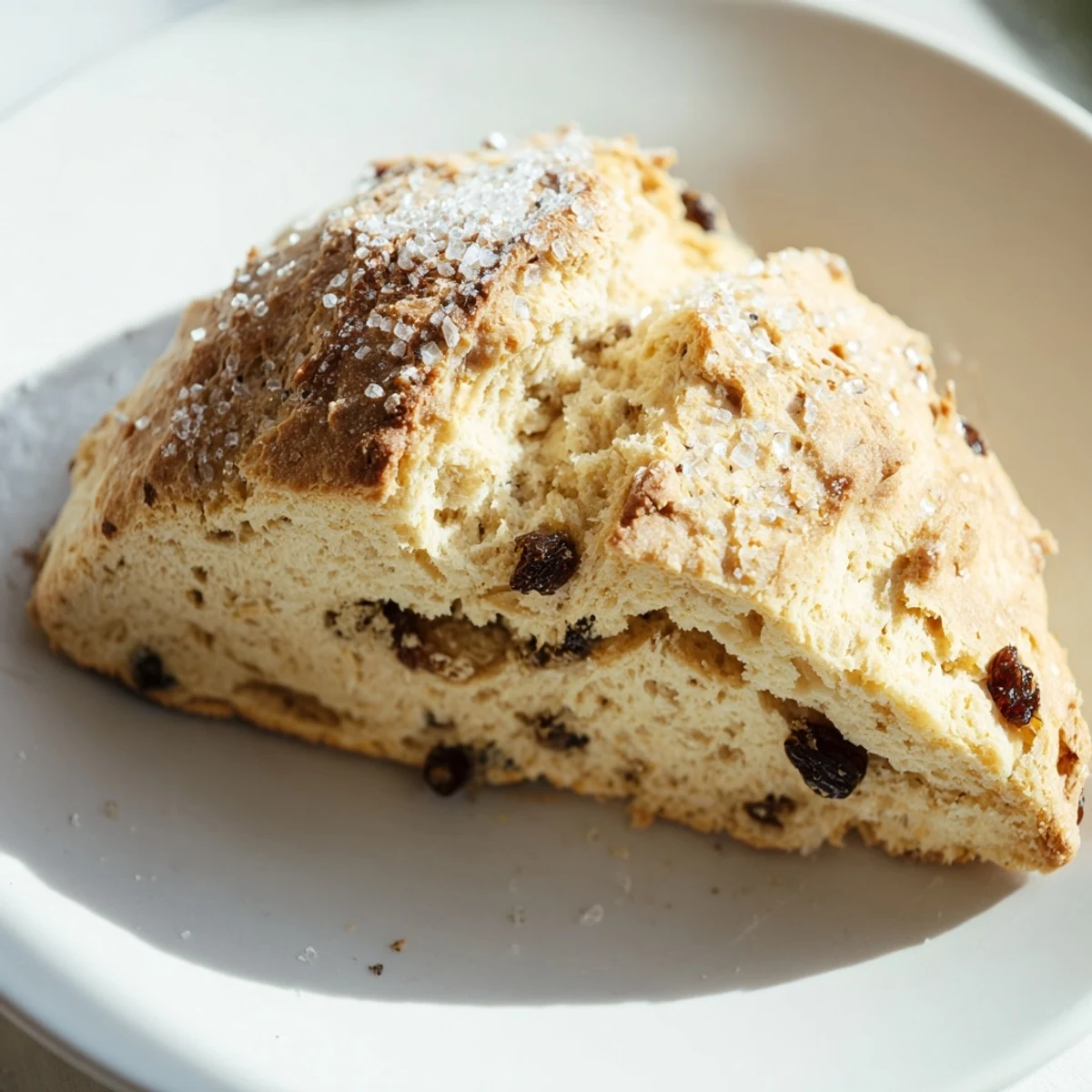
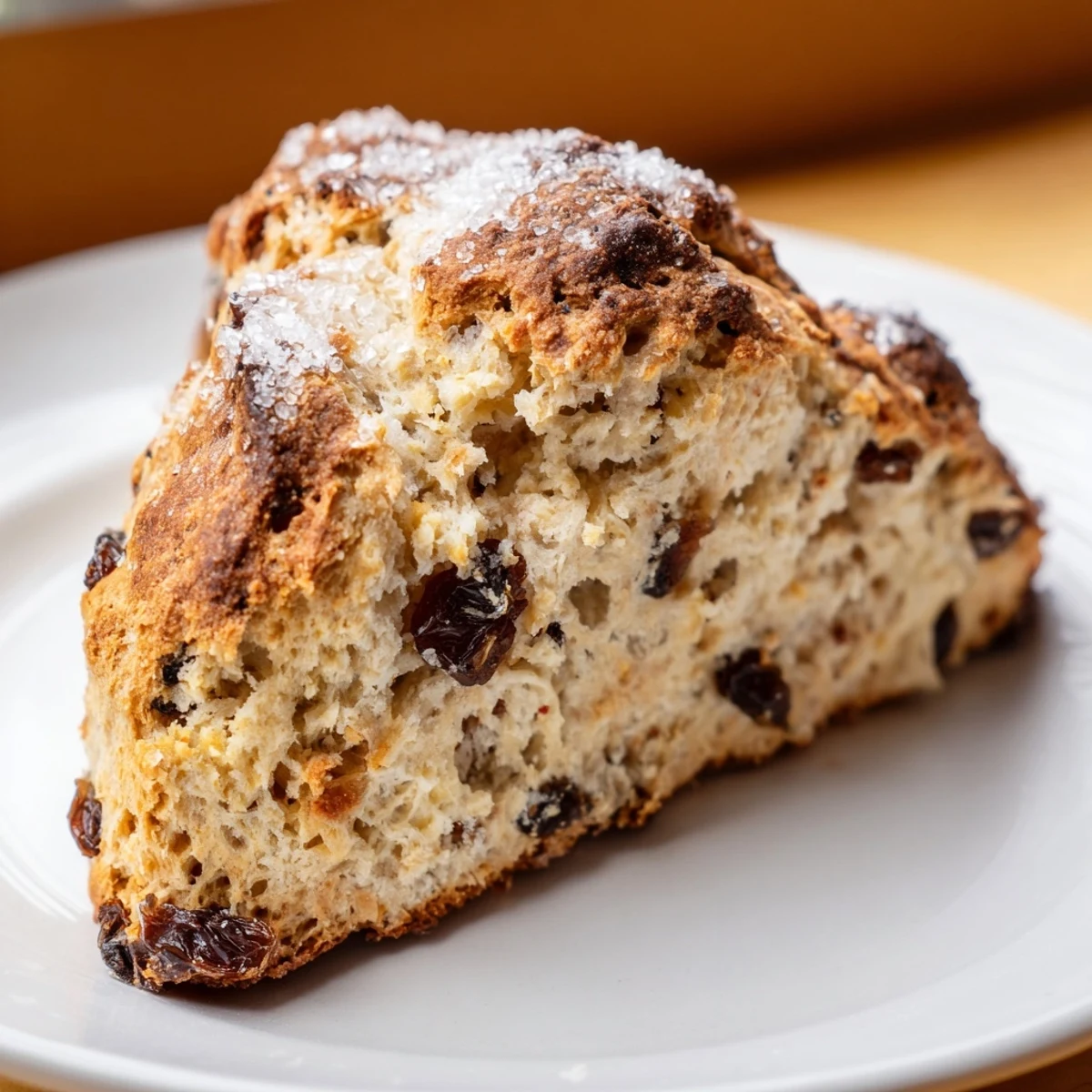
Save These Irish soda bread scones offer a tender, crumbly texture inspired by classic bread, blending all-purpose and whole wheat flours with a touch of sweetness from raisins and optional caraway seeds. Cold butter is carefully mixed in to create coarse crumbs, then combined with buttermilk and egg for a soft, flavorful dough. Shaped into wedges and brushed with buttermilk before baking, these scones develop a golden crust and rustic charm. Ideal for breakfast or a snack, they’re best enjoyed warm and fresh with butter or jam.
The kitchen was barely awake when I first made these, sunlight just beginning to dust the counter. Id been craving something that felt like a proper Irish bakery but could happen in under an hour. The way caraway seeds hit the hot pan turned my tiny apartment into a cottage somewhere in County Cork. Sometimes the simplest baking projects are the ones that make you feel like youve really accomplished something.
My sister called while I was cutting the dough into wedges, demanding to know what smelled like heaven. I told her it was just an experiment, but when she showed up twenty minutes later with a tub of salted butter, I knew Id stumbled onto something. We ate them standing up, still warm from the oven, debating whether caraway seeds are divisive or brilliant.
Ingredients
- 2 cups all-purpose flour: The backbone of the dough, providing structure and that classic tender crumb
- 1/2 cup whole wheat flour: Adds nuttiness and makes these feel somehow more honest, more rustic
- 1/3 cup granulated sugar: Just enough sweetness to whisper without shouting
- 1 teaspoon baking soda: The traditional leavener that gives Irish bread its distinctive rise
- 1 teaspoon baking powder: Works alongside the soda for extra lift and tenderness
- 1/2 teaspoon fine sea salt: Enhances all the flavors and keeps these from being cloying
- 1/2 cup raisins or currants: Little pockets of sweetness throughout each bite
- 1 tablespoon caraway seeds: Optional but highly recommended, theyre what make these unmistakably Irish
- 1 cup cold buttermilk: The acid activates the baking soda and creates tenderness
- 1 large egg: Adds richness and helps bind everything together
- 1/4 cup cold butter, cubed: Cold butter creates those tender, flaky layers we love
- 2 tablespoons buttermilk for brushing: Gives the tops a beautiful golden finish
- 1 tablespoon coarse sugar: Optional sparkle that makes them look professional
Instructions
- Preheat your oven:
- Get it to 400°F (200°C) and line a baking sheet with parchment paper, setting yourself up for success
- Whisk the dry ingredients:
- In a large bowl, combine both flours, sugar, baking soda, baking powder, and salt until well blended
- Cut in the butter:
- Work the cold butter into the flour with a pastry cutter or your fingers until it looks like coarse crumbs
- Add the mix-ins:
- Stir in the raisins and caraway seeds if youre using them
- Make the wet mixture:
- Whisk together the buttermilk and egg in a separate bowl
- Combine everything:
- Pour the wet into the dry and stir just until combined, overmixing makes tough scones
- Shape the dough:
- Turn onto a floured surface and gently pat into a 1-inch thick circle
- Cut and arrange:
- Cut into 8 wedges or use a round cutter, then place on your prepared baking sheet
- Add the finishing touches:
- Brush with buttermilk and sprinkle with coarse sugar if you want that bakery shine
- Bake to golden:
- 16 to 18 minutes until golden brown and a toothpick comes out clean
- Cool slightly:
- Let them rest on a wire rack for a few minutes, theyre easier to slice when not piping hot
 Save
Save These became my go-to when friends unexpectedly drop by, which happens more often since word got around. Theres something about tearing into a warm scone that makes people stay longer, talk slower, linger over their coffee. I started keeping caraway seeds in bulk.
Getting That Perfect Rise
The combination of baking soda and buttermilk is pure chemistry magic, creating those tiny bubbles that make the crumb tender. I learned the hard way that if your buttermilk is old, the reaction is weaker. Fresh buttermilk makes a difference you can actually taste in the final texture.
Making Them Your Own
Sometimes I swap the raisins for dried cranberries, especially around holidays when everything feels a bit more festive. Once I made them with dried cherries and skipped the caraway entirely, which my sister declared the American version. Both are good, but the classic combination feels like home.
Serving Suggestions
These deserve to be treated properly, with good salted butter and whatever jam you love best. I keep a small pot of strawberry rhubarb around just for this purpose. Theyre also brilliant with a sharp cheddar and a little apple butter if you want something savory.
- Warm them for 30 seconds in the microwave if theyre not fresh
- Split and toast them under the broiler for extra crispy edges
- Freeze unbaked wedges on a tray, then store in bags for emergency baking
 Save
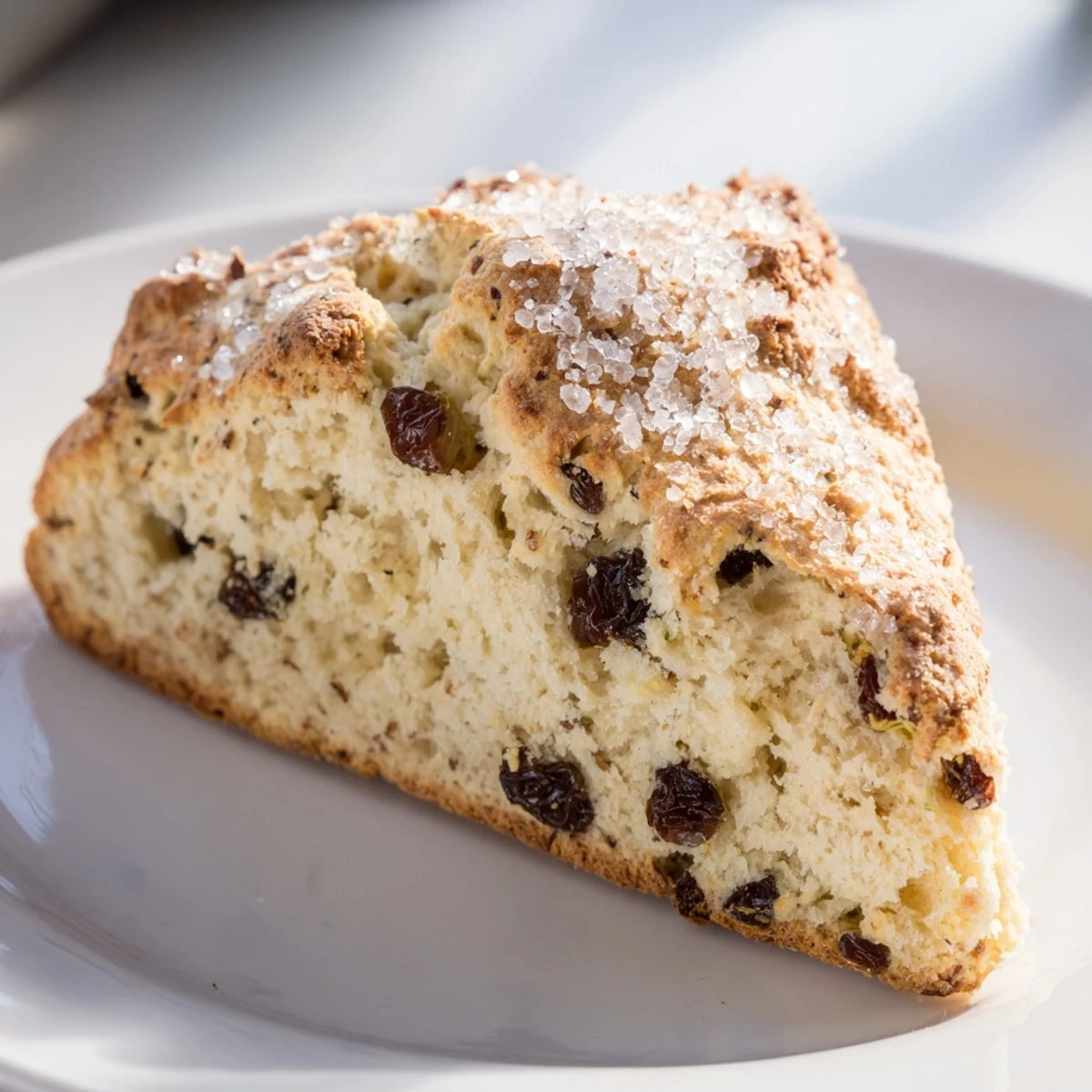
Save Theres a quiet satisfaction in pulling these from the oven, golden and smelling like comfort. Hope they find their way into your kitchen on some slow morning when you need something simple to be wonderful.
Common Questions
- → What gives these scones their tender texture?
-
Cold butter is cut into the flour mixture until it resembles coarse crumbs, creating a flaky, tender texture once baked.
- → Can I substitute raisins with other dried fruits?
-
Yes, dried cranberries or currants are excellent alternatives that complement the flavors nicely.
- → Why is buttermilk used in this dough?
-
Buttermilk reacts with baking soda to help the scones rise and adds a slight tanginess to the flavor.
- → How should I shape the dough for baking?
-
Pat the dough into a 1-inch thick circle and cut into 8 wedges or use a round cutter for traditional scone shapes.
- → Can these scones be made ahead and stored?
-
They’re best eaten fresh but can be frozen after baking and reheated gently to preserve texture and flavor.