
 Save
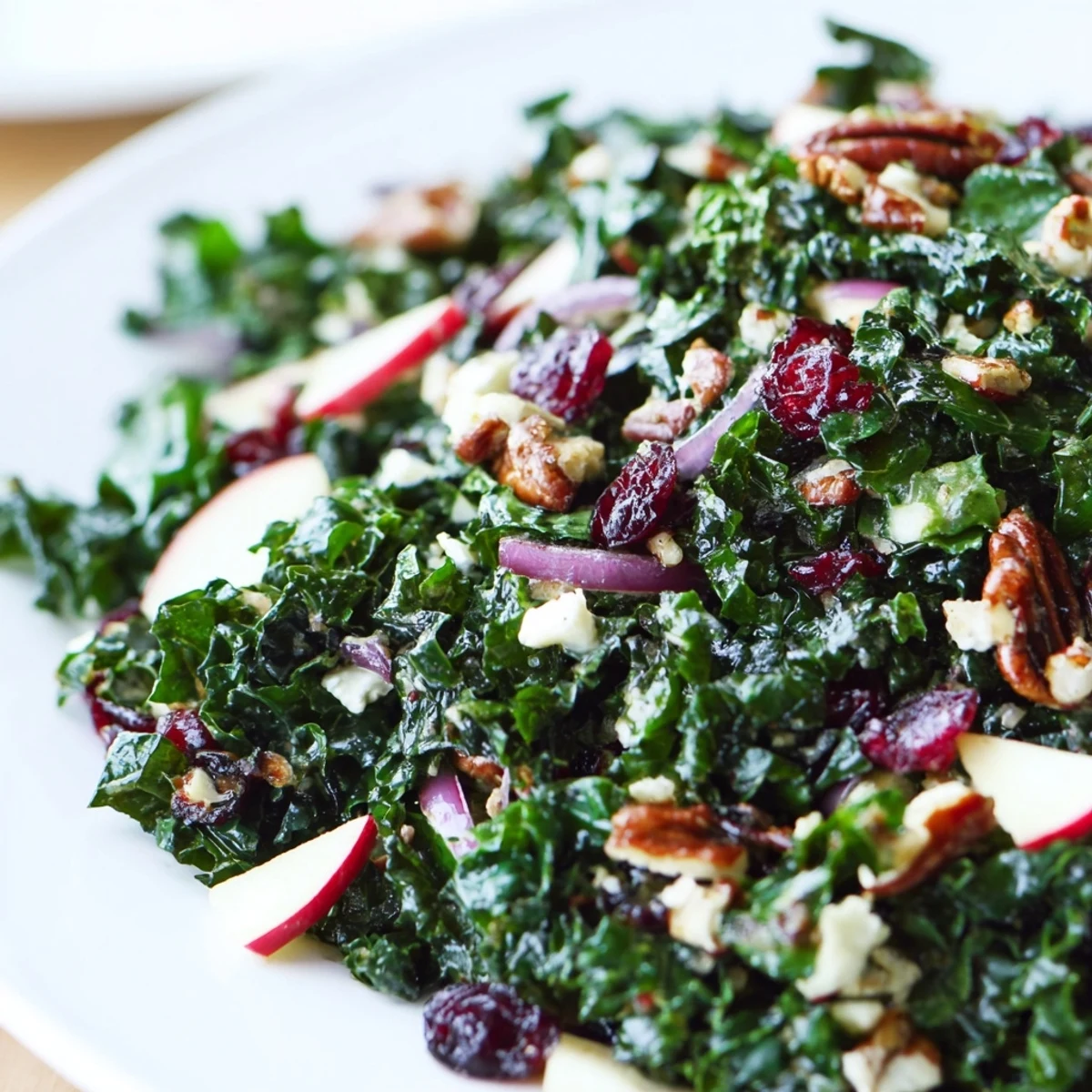
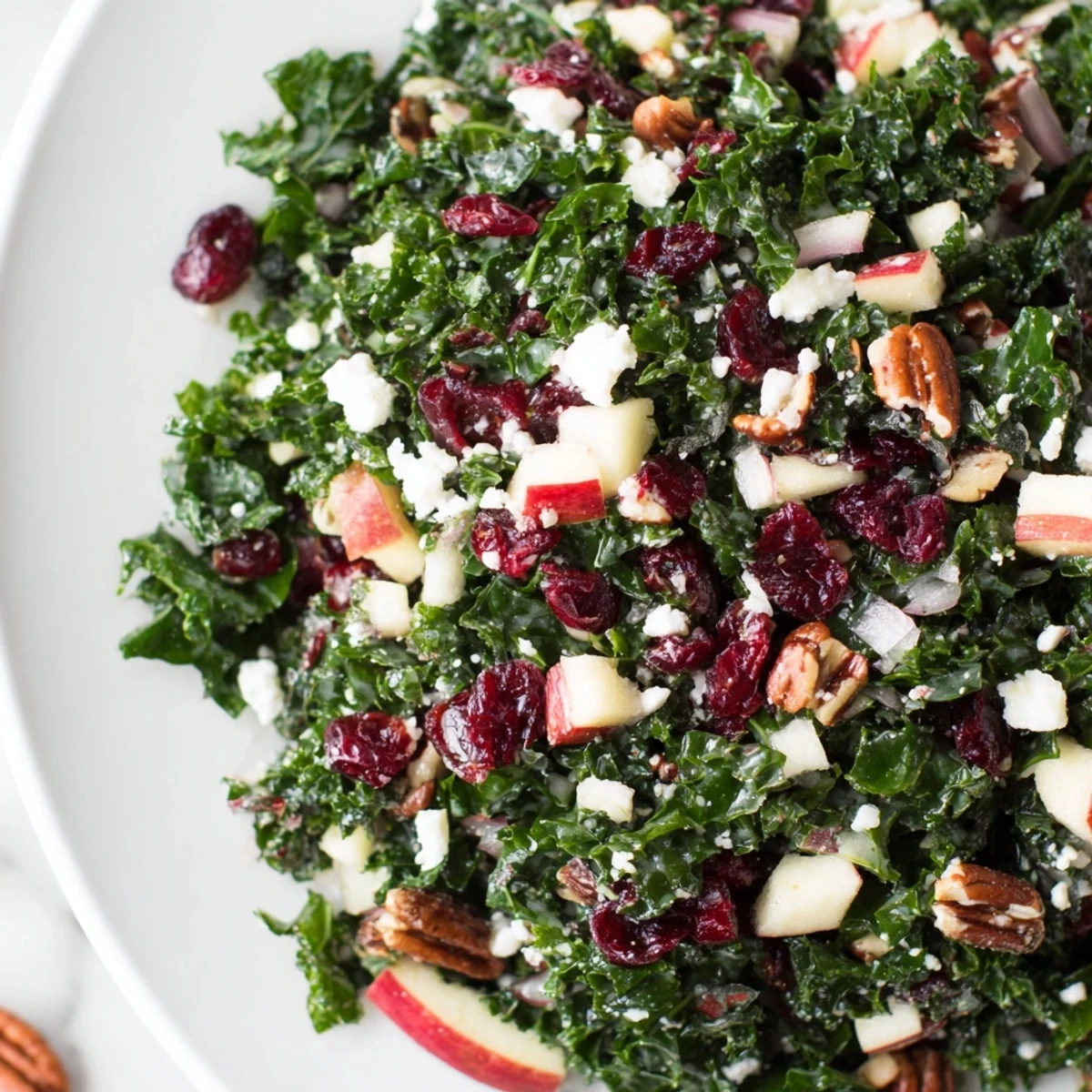
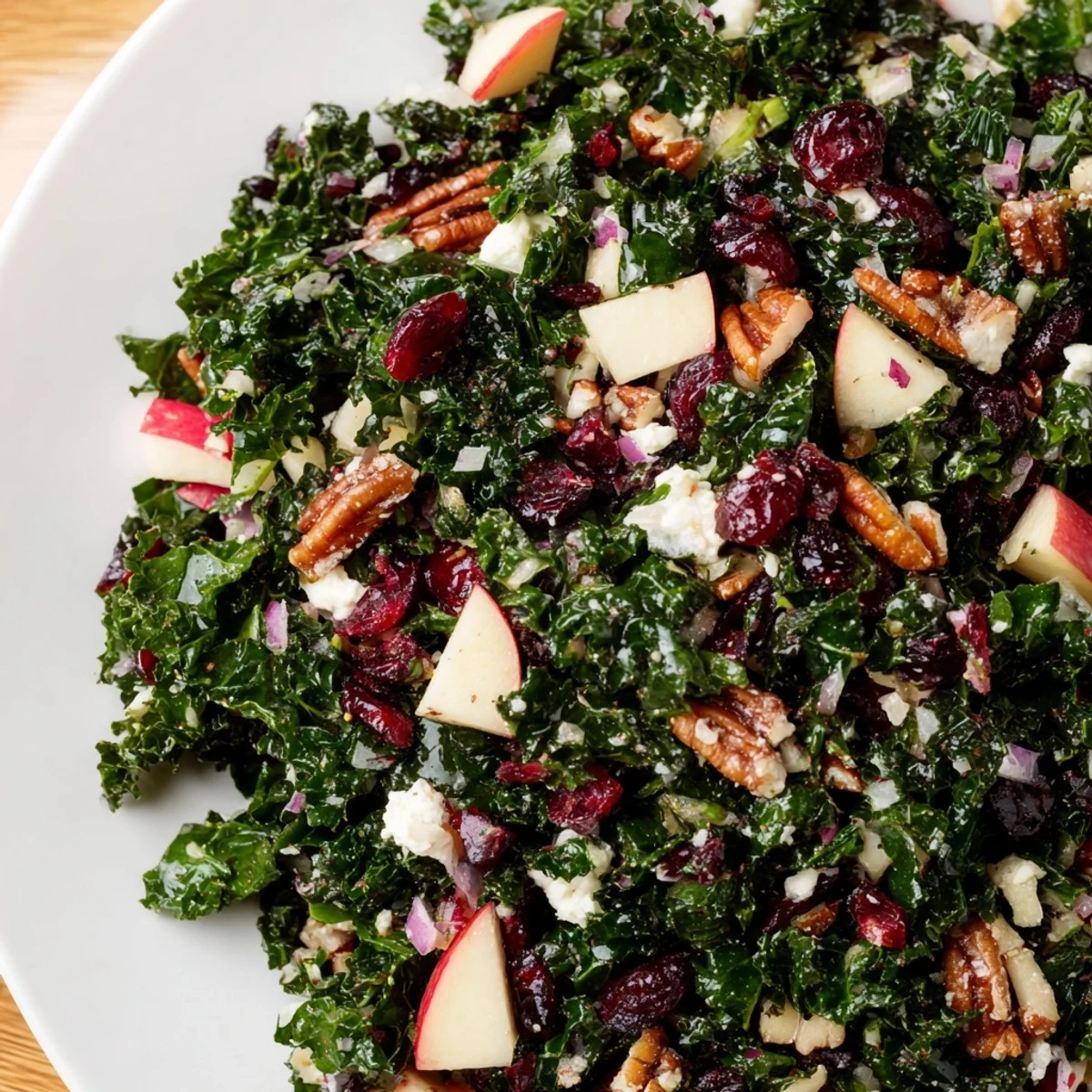
Save This vibrant winter kale salad blends hearty chopped kale with sweet dried cranberries, crisp apple pieces, and crunchy toasted nuts. A zesty citrus vinaigrette with olive oil, lemon juice, apple cider vinegar, and a touch of honey brings all the flavors together. The kale is massaged lightly to soften leaves, while optional feta cheese adds a creamy tang. This easy-to-prepare dish brightens chilly days with fresh, nutrient-packed ingredients.
There's something about the first real cold snap that makes you crave salads—counterintuitive, I know, but hear me out. My neighbor handed me a bunch of kale from her winter garden one December morning, and I found myself reaching for cranberries and walnuts instead of the usual summer tomatoes. That single bowl became my go-to lunch that entire season, and I realized kale wasn't the bitter, difficult vegetable I'd always avoided—it just needed the right company and a little massage to shine.
I made this for a potluck one snowy evening, and someone asked for the recipe before they'd even finished their first bite—a rare compliment in a room full of cheese dips and casseroles. What surprised me most was watching people who swore they didn't like salads come back for thirds, the toasted nuts and feta doing the heavy lifting while the kale stayed tender instead of getting all gummy.
Ingredients
- Kale (1 large bunch, about 200 g): Look for the curly or lacinato variety and remove those tough center stems—they're not worth fighting through. Chop the leaves finely so they massage down easily and distribute evenly throughout the salad.
- Dried cranberries (1/2 cup): These little bursts of sweetness are what make people actually excited about salad. Buy unsweetened if you can find them, but honestly, the regular kind works perfectly fine.
- Apple (1 medium, diced): A crisp variety like Granny Smith keeps things interesting instead of getting mushy. Toss it with a squeeze of lemon juice right away so it doesn't turn brown.
- Feta cheese (1/3 cup crumbled, optional): The salty, creamy counterpoint to all that bright acidity. You can skip it entirely for vegan, or swap in goat cheese if that's what you have.
- Toasted pecans or walnuts (1/3 cup, roughly chopped): Toast them yourself if you have 5 minutes—it makes all the difference in depth of flavor. Store-bought toasted work too when you're in a hurry.
- Red onion (1/4 small, thinly sliced): Raw and sharp, it's the personality that keeps this from feeling one-note. Slice it thin so it doesn't overpower.
- Extra-virgin olive oil (3 tbsp): Use something you actually like the taste of—this is too simple to hide behind mediocre oil. Plus 1 teaspoon for massaging the kale.
- Fresh lemon juice (1 tbsp): Fresh, always. That bottled stuff tastes like disappointment.
- Apple cider vinegar (1 tbsp): Slightly sweeter and friendlier than regular vinegar, it bridges the gap between the fruit and greens beautifully.
- Dijon mustard (1 tsp): A tiny emulsifier that keeps the dressing from separating and adds a subtle zing.
- Honey or maple syrup (1 tsp): Just enough to round out the acidity without making it dessert. Maple syrup tastes more wintery if you want to lean into the season.
- Salt and freshly ground black pepper: Go gentle at first, taste as you go, because the feta brings its own saltiness.
Instructions
- Tender the kale:
- Pour the finely chopped kale into your largest bowl, drizzle with that teaspoon of oil and a good pinch of salt, then massage it with your hands for 1 to 2 minutes. You're not trying to mush it—you're breaking down the fibers so it softens and transforms from intimidating to inviting, and you'll feel the texture change under your palms.
- Build the salad:
- Toss the cranberries, apple, feta (if using), nuts, and red onion directly into the massaged kale. Fold it all together gently so nothing gets bruised.
- Make the dressing:
- Whisk the remaining oil, lemon juice, vinegar, mustard, honey, salt, and pepper in a small bowl or jar until it looks emulsified and happy. Taste it straight from the whisk—it should be balanced enough that you'd eat it with a spoon, but with a little bite.
- Bring it together:
- Pour the dressing over the salad and toss everything until every piece of kale glistens and nothing's hiding at the bottom. This is the moment it becomes real.
- Let it rest:
- Let it sit for 5 to 10 minutes so the flavors start having a conversation. You can serve it right away or refrigerate it for up to 2 hours—it actually improves as it sits.
 Save
Save My partner used to leave half-finished salads on the counter, but he eats every last leaf of this one, even when it's been in the fridge overnight. That's when I knew I'd found something that works, something that made winter vegetables feel like a choice rather than an obligation.
The Magic of Massage
The kale massage is not just a technique—it's the difference between a salad that feels virtuous and one that feels delicious. When you massage the leaves with oil and salt, you're breaking down the cellulose structure that makes raw kale tough and bitter, and in just a couple of minutes, it becomes tender, sweeter, and actually pleasant to eat. I learned this by accident the first time I made this recipe because I was too impatient to do it properly, and then I went back and actually tried it right, and the difference was so stark that I now preach about it like a evangelist.
Winter Sweetness and Tartness
Winter fruit is naturally sweeter and more complex than summer fruit, and cranberries are the bridge between the deep green of kale and the brightness of lemon. The cranberry-apple-feta combination creates this unexpected harmony where nothing dominates, nothing hides, and the simple vinaigrette acts like a conductor keeping everything in balance. I've tried versions with other dried fruits—raisins, currants, even chopped dates—and they all work, but cranberries feel like they were designed specifically for this moment of the year.
Flexibility and Substitutions
This salad is one of those rare recipes that improves with your substitutions rather than suffering from them. Goat cheese melts into the warm kale differently than feta, creating a creamier finish, while pears instead of apples bring a softer, more delicate sweetness. I've made versions with roasted pumpkin seeds that add almost a nutty depth, and once I threw in some pomegranate seeds because they were sitting in my fridge, and it was absolutely correct.
- Swap pecans for almonds or sunflower seeds if you need to avoid tree nuts or just prefer a different crunch.
- Lacinato kale tears into more tender pieces than curly kale, but both work—just adjust your massage time slightly.
- If you don't have apple cider vinegar, white wine vinegar works fine, though it's a bit sharper and might need slightly less mustard to balance it out.
 Save
Save This salad taught me that winter eating doesn't have to mean heavy or sad—it just means paying attention to what the season actually offers. Keep this recipe close, and you'll find yourself making it not just in December and January, but whenever you need a moment of brightness.
Common Questions
- → How can I soften the kale leaves for this salad?
-
Massaging the chopped kale with a bit of olive oil and salt for 1–2 minutes helps soften and darken the leaves, making them tender and easier to eat.
- → Can I substitute the nuts in this salad?
-
Yes, toasted pecans or walnuts work well, and you can also add roasted pumpkin or sunflower seeds for extra crunch.
- → What dressing ingredients are used for the citrus vinaigrette?
-
The dressing combines extra-virgin olive oil, fresh lemon juice, apple cider vinegar, Dijon mustard, honey or maple syrup, and seasonings for a bright, balanced flavor.
- → Is there a dairy-free option for the cheese?
-
Omitting the feta cheese makes the salad dairy-free and vegan-friendly without sacrificing flavor.
- → How long should the salad rest before serving?
-
Allow the salad to sit for 5–10 minutes after tossing to let the flavors meld together nicely.