
 Save
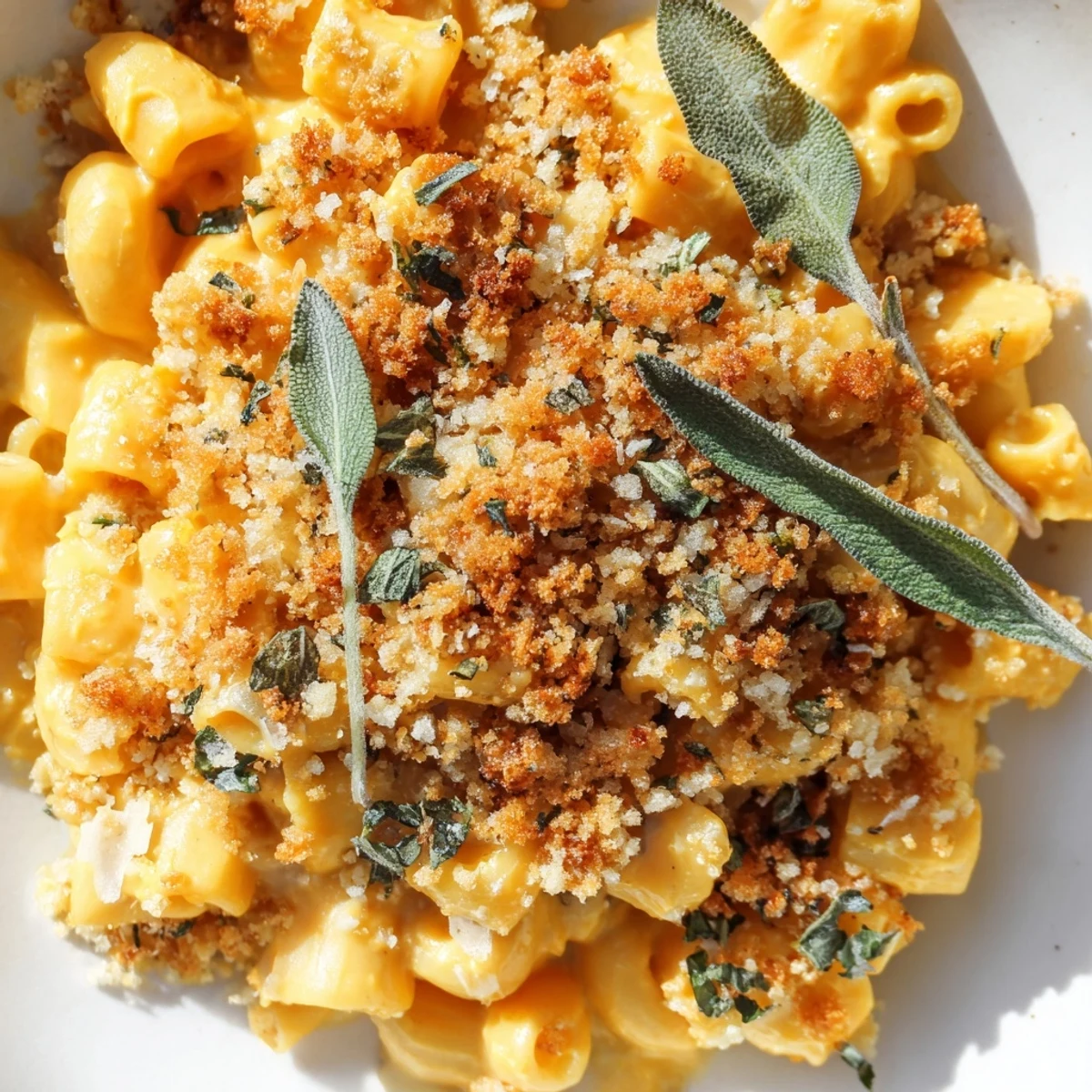
Save Enjoy a comforting bowl of macaroni coated in a rich, velvety sauce made from roasted butternut squash and aromatic sage. This plant-based version offers a creamy texture and savory depth without any dairy. Simply roast the squash, blend it with plant milk and seasonings, then toss with pasta for a nutritious meal.
The first time I made mac and cheese after going vegan, I stood in my kitchen feeling genuinely stuck. I missed the richness, the comfort, that creamy pull of fork through pasta. Then one autumn afternoon, while roasting butternut squash for something else entirely, I noticed how golden and silky it became, and something just clicked. What if that sweetness and texture became the soul of a new version? I blended it with sage from my garden, a whisper of mustard, nutritional yeast for that umami depth, and suddenly I wasn't missing anything at all.
I made this for my sister last winter when she was trying to eat more plant-based, and I watched her take that first bite with the kind of skepticism only family can manage. Her eyes went soft, and she just said, "Wait, this is actually good." We ended up talking through the whole meal about how comfort food doesn't need to be complicated or rely on old ingredients to feel like coming home. That conversation changed how I think about cooking for people.
Ingredients
- Elbow macaroni, 340g (12 oz): Use whatever shape makes you happiest, though something sturdy enough to hold the sauce matters more than I thought it would.
- Butternut squash, 500g (1.1 lbs), peeled and diced: This is your creamy base, so don't skip the roasting step; it concentrates the sweetness and makes the blending silky.
- Olive oil, 4 tbsp total: Three tablespoons go into roasting the squash and sautéing; one more finishes the breadcrumb topping if you're using it.
- Fresh sage leaves, 1 tbsp plus extra for garnish: This herb is what makes people ask what your secret ingredient is, so don't substitute it for dried.
- Unsweetened plant-based milk, 1 cup (240 ml): Oat or soy works best; I've found they blend more smoothly than some lighter alternatives.
- Vegetable broth, 1/2 cup (120 ml): This keeps the sauce from being too heavy, so don't replace it with water.
- Nutritional yeast, 1/4 cup (20 g): This gives you that savory, almost cheesy note without any actual dairy involved.
- Lemon juice, 2 tbsp: Brightens everything and keeps the sauce from feeling one-dimensional.
- Dijon mustard, 1 tsp: A small amount adds complexity without tasting like mustard at all.
- Smoked paprika, 1/2 tsp: Adds depth and a whisper of something cozy you can't quite name.
- Turmeric, 1/2 tsp (optional): Use it for color if the sauce looks too pale, or skip it entirely if turmeric isn't your thing.
- Salt and black pepper: Taste as you go; the amounts given are a starting point, not a ceiling.
- Panko breadcrumbs, 1/3 cup (35 g), optional but encouraged: The toasted version adds a texture contrast that makes this feel less one-note.
Instructions
- Get everything ready:
- Preheat your oven to 200°C (400°F) and line a baking tray with parchment paper. Toss your diced butternut squash with 2 tbsp olive oil, salt, and pepper, then spread it in one layer on the tray.
- Roast the squash until golden:
- This takes 25–30 minutes, and you'll know it's done when the edges are caramelized and a fork slides through easily. Don't rush this; the deeper color means more caramel-like sweetness in your final sauce.
- Cook your pasta:
- While the squash roasts, get a pot of salted water going and cook your pasta according to the box, but pull it out a minute or two before it's completely tender. It'll finish cooking in the sauce, so slight firmness is your friend here.
- Build the flavor base:
- Heat 2 tbsp olive oil in a large skillet over medium heat, add your diced onion, and let it soften for 5–6 minutes until it's translucent and starting to smell sweet. Mince in your garlic and sage, cook for another minute until you can smell the herbs waking up.
- Make the sauce silky:
- Pour your sautéed onion mixture and roasted squash into a blender, then add plant-based milk, vegetable broth, nutritional yeast, lemon juice, mustard, smoked paprika, turmeric if you're using it, and your salt and pepper. Blend everything until completely smooth and creamy; this should take a minute or two, and the texture matters more than speed.
- Warm and taste:
- Pour your sauce back into the skillet and heat it gently over medium-low, stirring every minute or so, for 3–4 minutes. Taste it here and adjust salt, lemon juice, or spices; this is your moment to make it feel exactly right to you.
- Bring it all together:
- Add your cooked pasta to the sauce and stir until every piece is coated, then let it warm through for 2–3 minutes. If it feels too thick, you can loosen it with a splash of extra milk.
- Optional crispy topping:
- Mix your panko breadcrumbs with 1 tbsp olive oil and chopped fresh sage, then toast it in a dry skillet over medium heat, stirring often, until it's golden and fragrant (about 2–3 minutes). This topping adds a textural moment that makes every bite more interesting.
- Plate and serve:
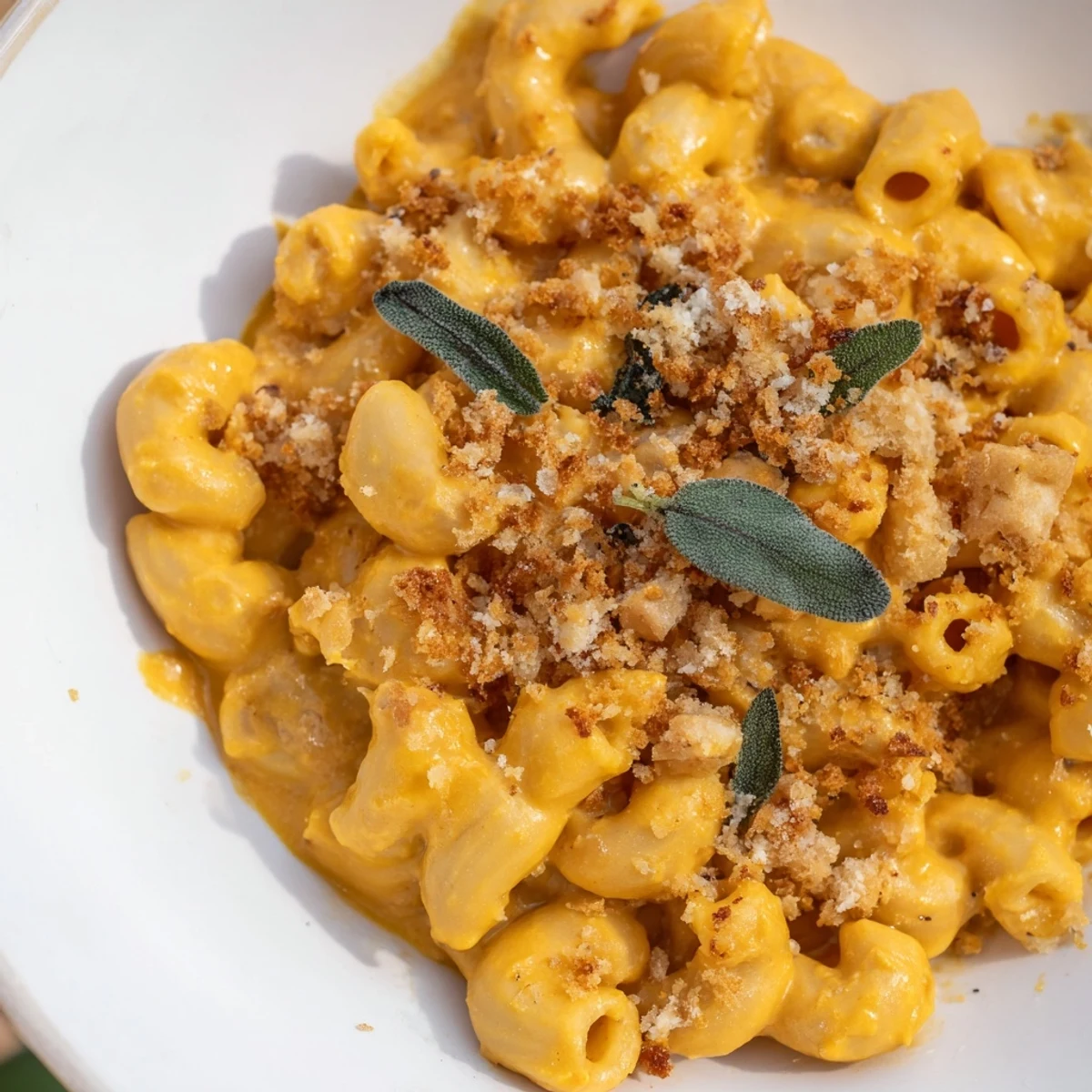
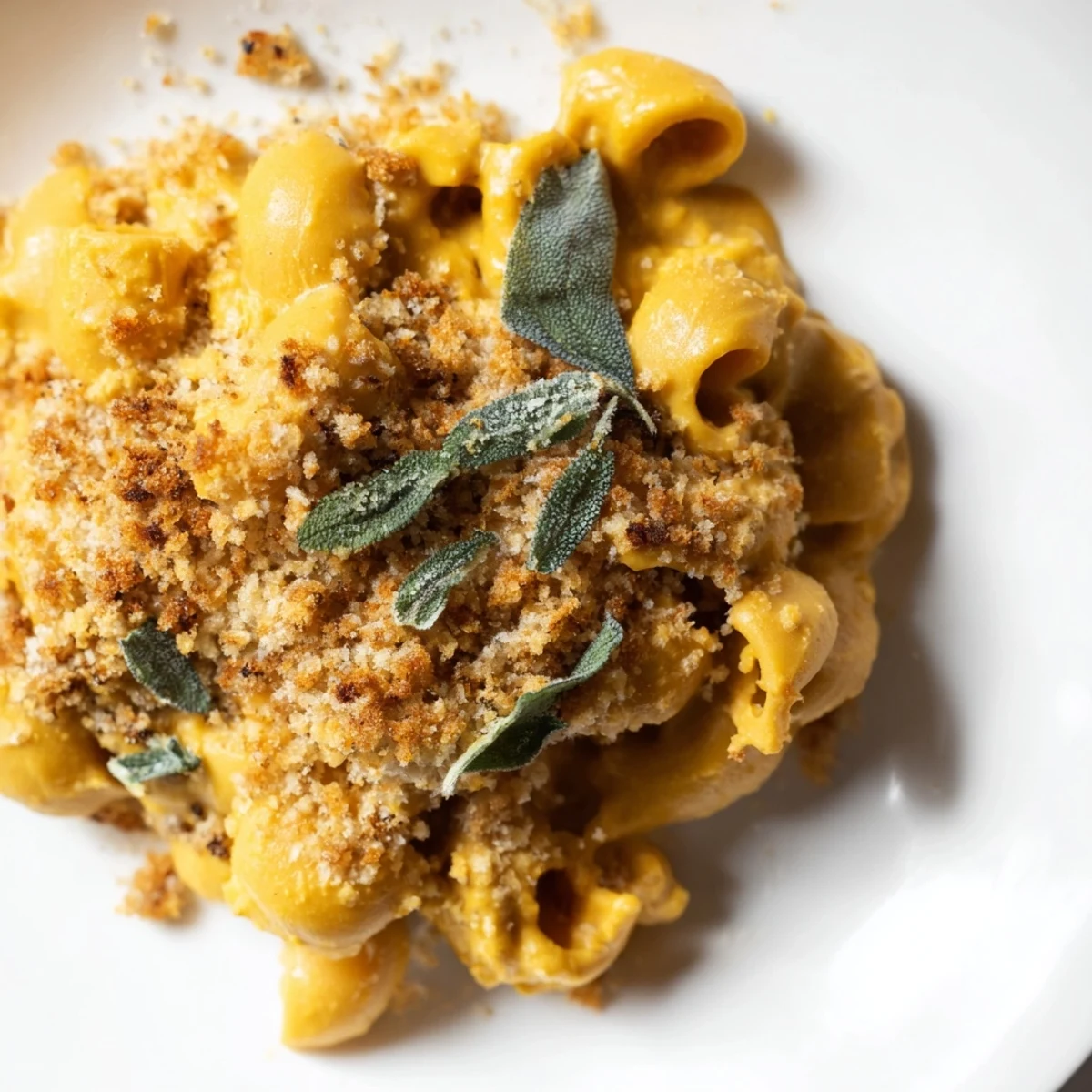
- Scoop your mac and cheese into bowls, top with toasted breadcrumbs and extra fresh sage if you made it, and serve while everything is still warm.
 Save
Save There's a moment, right when you finish blending the sauce, where it looks impossibly creamy and golden, and you realize you haven't made a compromise version of anything—you've made something new. My partner walked into the kitchen while I was stirring it into the pasta and just stopped, breathing in the sage and roasted squash, and said, "This smells like actual comfort." That's when I knew this recipe had legs.
Why Sage Changes Everything
Sage is not a subtle herb, and I almost didn't use it because I was nervous about overpowering something so delicate. But fresh sage has this slightly peppery, almost woody quality that makes roasted squash taste even more autumn-like, and it pulls the whole dish into focus. When I finally tried it, I understood why sage and squash are a classic pairing. If you can't find fresh sage, don't use the dried version; it tastes like dust in something this creamy. Wait for fresh, or try fresh thyme instead, though the result will be noticeably different.
Customizing Your Sauce
The base recipe is creamy and complete, but your kitchen should feel like a place where you make tweaks. Some people swear by adding a splash of tahini or soaked cashews for extra richness (not nut-free, but extraordinary if you can eat nuts), while others add a pinch of cayenne for heat or a touch of maple syrup if the squash tastes less sweet than expected. I've also made this with roasted garlic instead of raw garlic, caramelized onions instead of sautéed, and once with crispy sage leaves blended right into the sauce—all of these versions were good in their own way. The nutritional yeast amount can go up to 1/3 cup if you want it to taste more aggressively savory, though it starts to taste bitter past that point in my experience.
Serving and Pairing Ideas
This dish wants a simple green salad alongside it, something sharp and bright to cut through the creaminess, or a big handful of roasted vegetables if you want the meal to feel more substantial. I've served it with roasted broccoli on top, with crispy chickpeas scattered over everything, and once with caramelized mushrooms instead of the breadcrumb topping. If you're pouring wine, go for something crisp and dry like Sauvignon Blanc; the acidity wakes everything up.
- A squeeze of lemon juice on top right before serving adds another layer of brightness.
- Leftover mac and cheese reheats gently in a skillet with a splash of plant milk, which is better than microwaving it.
- This freezes reasonably well before you add the breadcrumb topping, though the texture becomes slightly less silky after thawing.
 Save
Save This recipe taught me that comfort food doesn't need tradition or animal products to be real; it just needs care and attention and ingredients that taste good to you. Every time I make it, I think about that moment with my sister and how sometimes the most meaningful meals are the ones that surprise you.
Common Questions
- → Is this dish nut-free?
-
Yes, it is naturally nut-free if you use oat or soy milk instead of almond or cashew milk for the sauce.
- → Can I make it gluten-free?
-
Absolutely. Simply substitute the regular elbow macaroni and panko breadcrumbs with your favorite gluten-free alternatives.
- → How do I store leftovers?
-
Store the cooled mac and cheese in an airtight container in the refrigerator for up to 3 days. Reheat gently on the stovetop with a splash of plant milk.
- → Can I freeze the sauce?
-
Yes, the butternut squash sauce freezes well. Allow it to cool completely before storing in a freezer-safe container for up to 2 months.
- → What adds the cheesy flavor?
-
Nutritional yeast provides the savory, umami flavor, while Dijon mustard and lemon juice add depth that mimics traditional dairy cheese.