
 Save
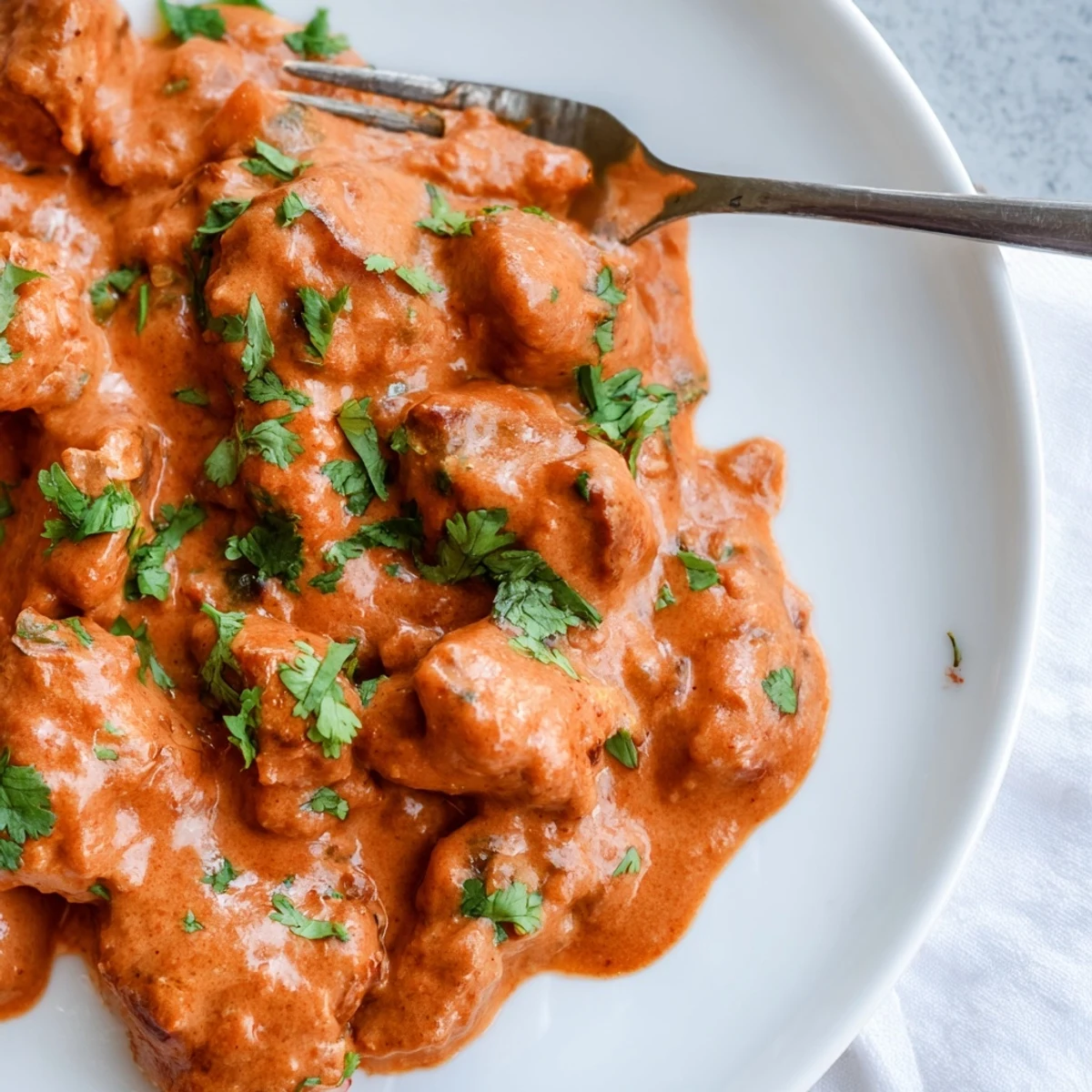
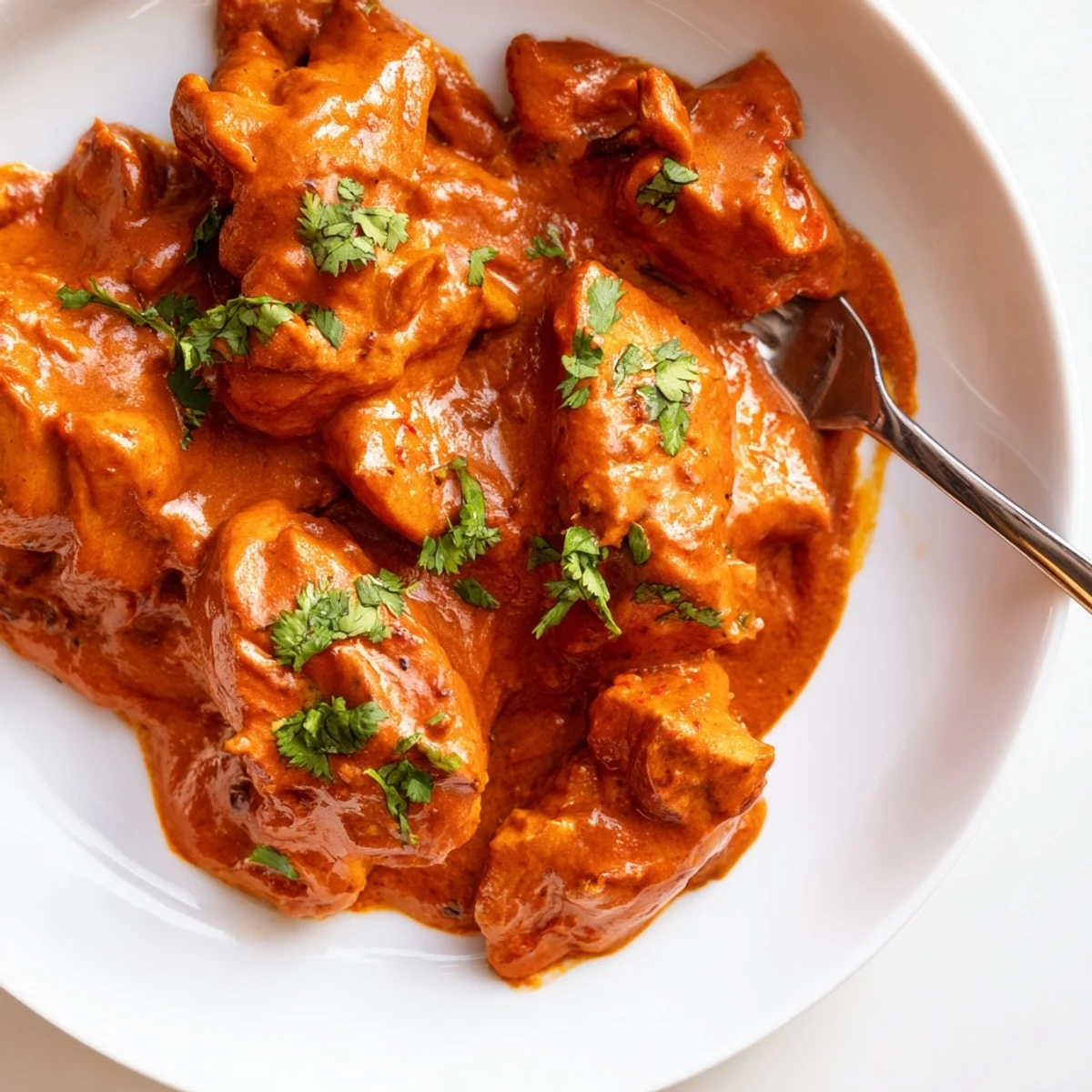
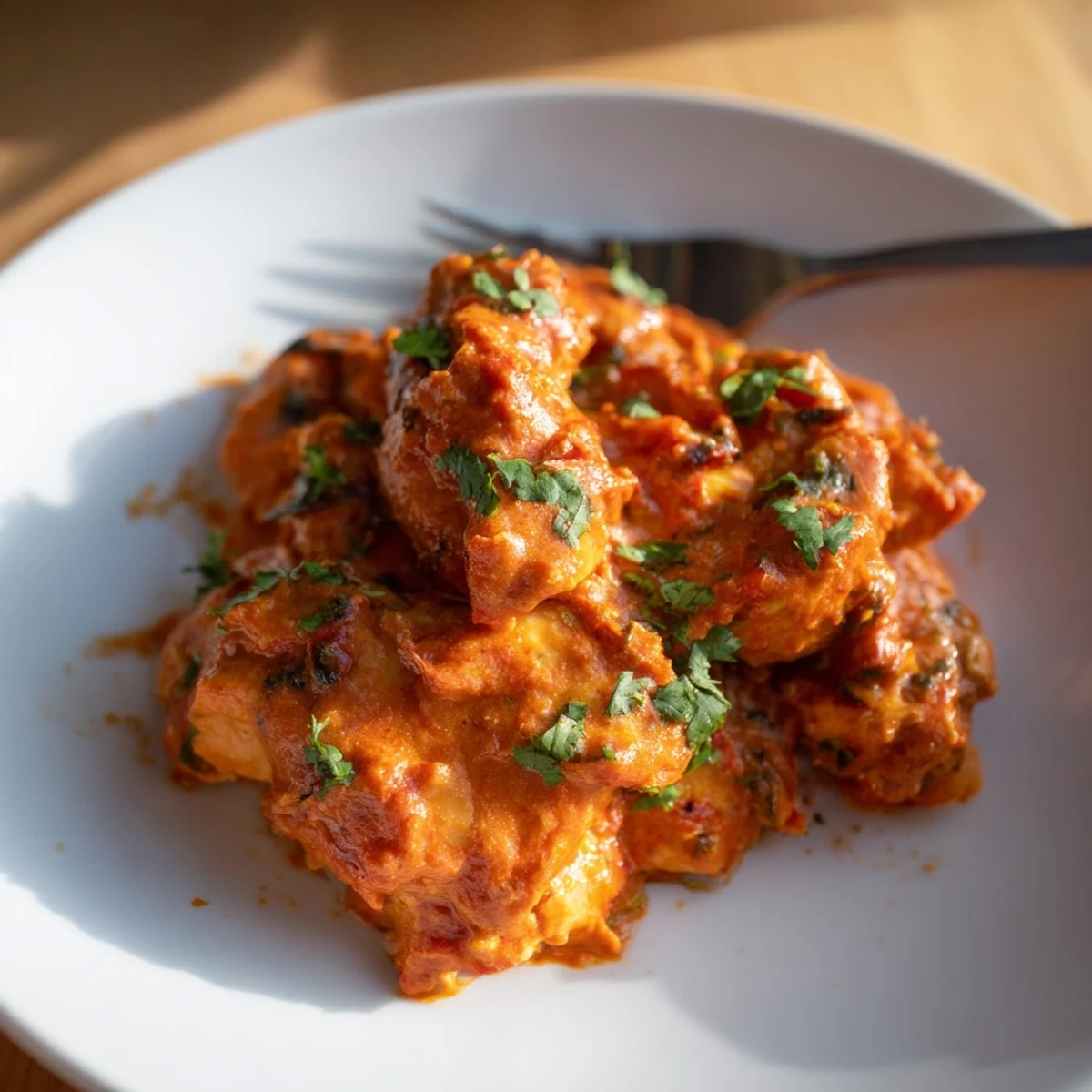
Save This dish features tender chicken thighs marinated with yogurt, lemon, and spices, then simmered in a rich, creamy tomato sauce infused with garam masala, cumin, and coriander. Served with fluffy basmati rice, it blends warm spices and creamy textures, creating a comforting and aromatic main course with subtle heat and fresh cilantro garnish.
The first time I made chicken tikka masala, I was trying to impress someone who claimed they could taste the difference between grocery store spice blends and freshly ground ones. I didn't have freshly ground spices, but I had Greek yogurt, a handful of dried herbs, and the kind of determination that comes from wanting to prove a point. Three hours later, as they took that first bite and went quiet, I realized it wasn't about perfection—it was about the care baked into each layer of flavor.
I learned the real secret to this dish on a rainy Tuesday when my mother-in-law came by unannounced. I had marinated chicken sitting in the fridge from the night before, and instead of panicking, I simply started cooking. She watched from the kitchen counter, and when the cream hit that tomato-spice base, her expression shifted—the kind of shift that happens when a smell reaches you and suddenly a dish becomes more than ingredients. By the time we sat down to eat, she was asking for the recipe.
Ingredients
- Boneless, skinless chicken thighs: Thighs stay moist and tender where breasts can dry out; 600g cut into bite-sized pieces ensures even cooking and maximum sauce absorption.
- Greek yogurt: The thick, tangy base of your marinade that transforms chicken from ordinary to silky; don't skip the full fat version.
- Lemon juice: One tablespoon brightens the marinade and helps tenderize the meat while cutting through the richness later.
- Ground spices (cumin, coriander, turmeric, garam masala, paprika): Toast them gently in your mind before adding to the pan—they should smell warm, never burnt.
- Fresh garlic and ginger: Mince these finely so they dissolve into the yogurt marinade and later bloom when you cook the sauce.
- Vegetable oil or ghee: Ghee adds authenticity and a subtle nutty depth that regular oil simply doesn't offer.
- Onion: Chop it finely so it becomes golden and almost translucent, creating the flavor foundation for your sauce.
- Crushed tomatoes: One 400g can provides acidity and body; canned is actually better than fresh here because the tomatoes are at peak ripeness.
- Heavy cream: This is what makes the dish creamy without being heavy; stir it in at the end so it softens rather than splits.
- Sugar: One teaspoon balances the acidity of the tomatoes, rounding out sharp edges you didn't know were there.
- Basmati rice: Rinsing removes starch so each grain stays separate and fluffy; it's worth the extra minute of water running over it.
- Fresh cilantro: Scatter it on at the very end for freshness and a hint of brightness that cuts through all that richness.
Instructions
- Make the marinade and coat your chicken:
- Combine yogurt, lemon juice, and all the spices in a large bowl—cumin, coriander, turmeric, garam masala, paprika, salt, minced garlic, and grated ginger. Toss chicken pieces until they're thoroughly coated in that creamy, spiced mixture. Cover and refrigerate for at least thirty minutes, though overnight is when the magic really happens and the flavors sink deep into the meat.
- Prepare the rice while you wait:
- Rinse basmati rice under cold running water, stirring gently with your fingers until the water runs clear—this removes the starch that would make it gluey. Bring water, salt, and butter to a boil in a medium saucepan, add the drained rice, then cover and reduce heat to low for fifteen minutes.
- Sear the marinated chicken:
- Heat oil or ghee in a large skillet over medium-high heat until it shimmers slightly. Working in batches so you don't crowd the pan, add chicken pieces and shake off excess marinade before they hit the hot oil. Cook four to five minutes until deeply browned on all sides, then set aside on a plate.
- Build your sauce foundation:
- In the same pan, add finely chopped onion and sauté for about five minutes until it turns golden and soft, releasing a sweet aroma. Add minced garlic and grated ginger, cooking just one minute more until everything becomes fragrant.
- Bloom the spices:
- Stir in ground cumin, coriander, paprika, garam masala, and chili powder, cooking for exactly one minute while stirring constantly. You'll smell the spices wake up—that's when you know they're ready.
- Add tomatoes and simmer:
- Pour in the crushed tomatoes and stir in one teaspoon of sugar to balance the acidity. Let this bubble gently for ten minutes, stirring occasionally, as the tomatoes break down and the flavors begin to marry.
- Return the chicken and finish cooking:
- Add the browned chicken back to the pan and simmer for ten to twelve minutes until it's cooked through and the sauce has thickened slightly. The chicken will be so tender it practically falls apart.
- Stir in the cream:
- Lower the heat and pour in heavy cream, stirring gently for three to four minutes until the sauce turns creamy and pale, never letting it boil. This is the moment everything comes together into something that tastes like restaurant food.
- Serve with rice and garnish:
- Fluff the rice with a fork and divide among plates, then top with generous spoonfuls of chicken tikka masala. Scatter fresh cilantro over everything just before serving.
 Save
Save My daughter came home from school one afternoon and walked directly to the kitchen, not to me but to that pot of simmering sauce, breathing in deeply. She'd been having a hard week, and I watched her shoulders relax as the smell wrapped around her. We didn't talk much while we ate, but when she asked if we could make it again next week, I understood that food sometimes says what words can't.
Why This Dish Matters
Chicken tikka masala sits at this beautiful intersection of British and Indian cuisine—it's beloved in London as much as it is in Delhi, though each place claims it differently. What matters is that it's accessible enough for a weeknight but impressive enough for company, which means you'll actually make it again and again. The technique of marinating, searing, then simmering teaches you fundamentals that extend to so many other dishes.
Timing and Flexibility
The beauty of this recipe is that most of the actual hands-on time happens at the beginning and end—the marinating happens while you sleep or work, and the rice cooks while the sauce simmers. If you're short on time, thirty minutes of marinating does the job, though the chicken won't be quite as tender. You can also make the sauce a full day ahead and reheat it gently, which actually deepens the flavors.
Variations and Substitutions
Once you understand the bones of this recipe, it becomes endlessly flexible. Coconut cream instead of heavy cream creates a lighter, slightly tropical version that still feels authentic. Some cooks grill the marinated chicken before adding it to the sauce for a smoky depth, which transforms the whole dish into something with more character. You can also play with the heat level—add more chili powder if you like things spicy, or dial it back if you're cooking for people who prefer gentler flavors.
- Naan bread is the traditional pairing, but honestly, any warm flatbread or even crusty sourdough works beautifully for soaking up sauce.
- Cucumber raita—yogurt mixed with diced cucumber and fresh mint—cools things down and adds a refreshing contrast to all that richness.
- Leftover tikka masala tastes even better the next day and freezes beautifully for up to three months, so make extra if you can.
 Save
Save This is the kind of dish that reminds you why you cook in the first place—not because it's complicated, but because transforming simple ingredients into something that makes people close their eyes and take another bite is a kind of magic. Make it, feed someone you care about, and watch what happens.
Common Questions
- → How should I marinate the chicken for best flavor?
-
Combine yogurt, lemon juice, cumin, coriander, turmeric, garam masala, paprika, salt, garlic, and ginger. Coat the chicken well and refrigerate for at least 30 minutes or overnight for deeper flavor.
- → Can I use a different cooking fat?
-
Yes, vegetable oil or ghee both work well for sautéing the chicken and spices. Ghee adds a richer, buttery flavor.
- → How is the basmati rice cooked perfectly?
-
Rinse the rice until water runs clear, then simmer with salt and optional butter in water until tender. Let it rest covered off the heat before fluffing with a fork.
- → Can I adjust the spiciness of the sauce?
-
Yes, you can reduce or omit chili powder according to your heat preference. The other spices provide warmth without overpowering heat.
- → Is there a dairy-free option for the creamy sauce?
-
Substitute heavy cream with coconut cream for a dairy-free variation while maintaining richness and smoothness in the sauce.