
 Save
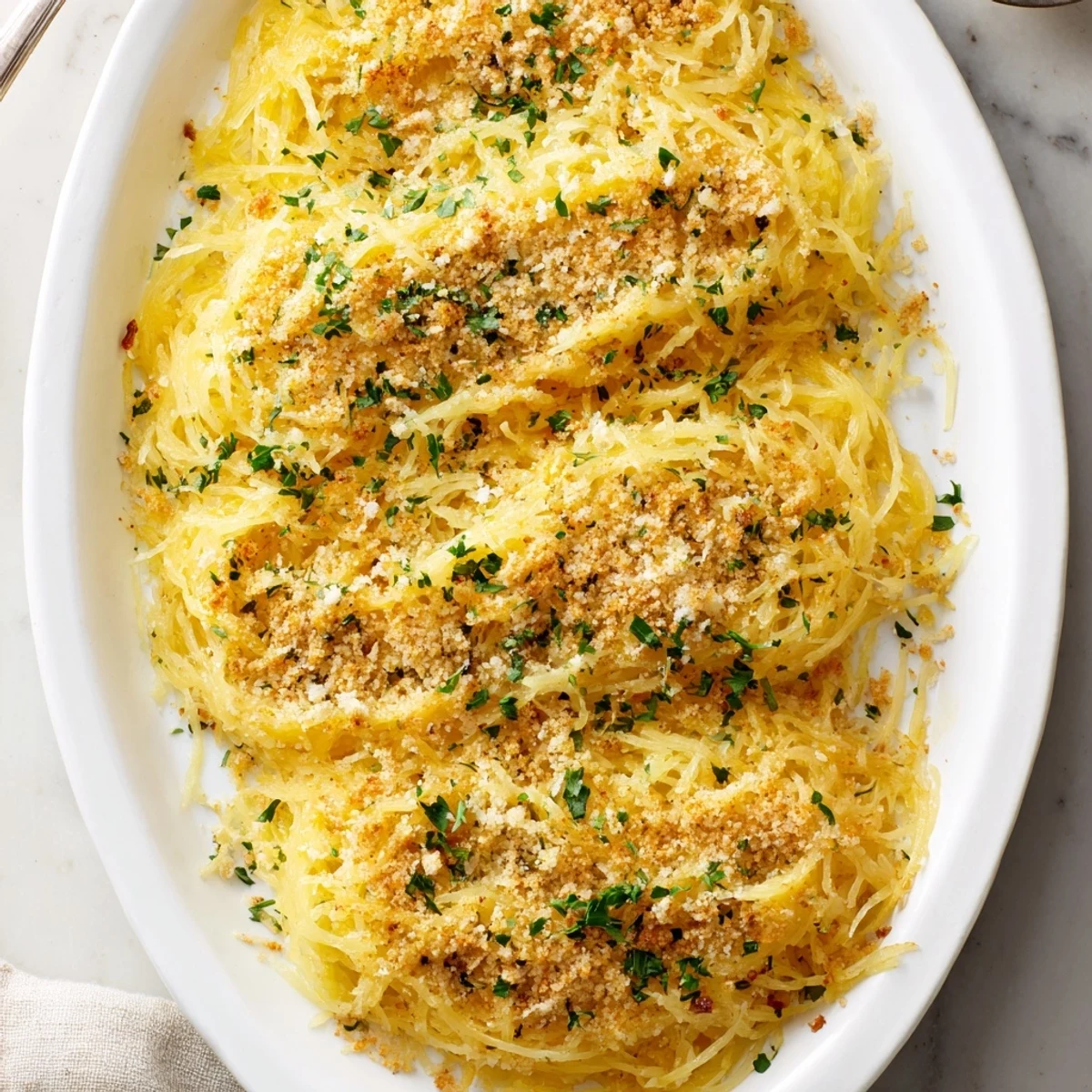
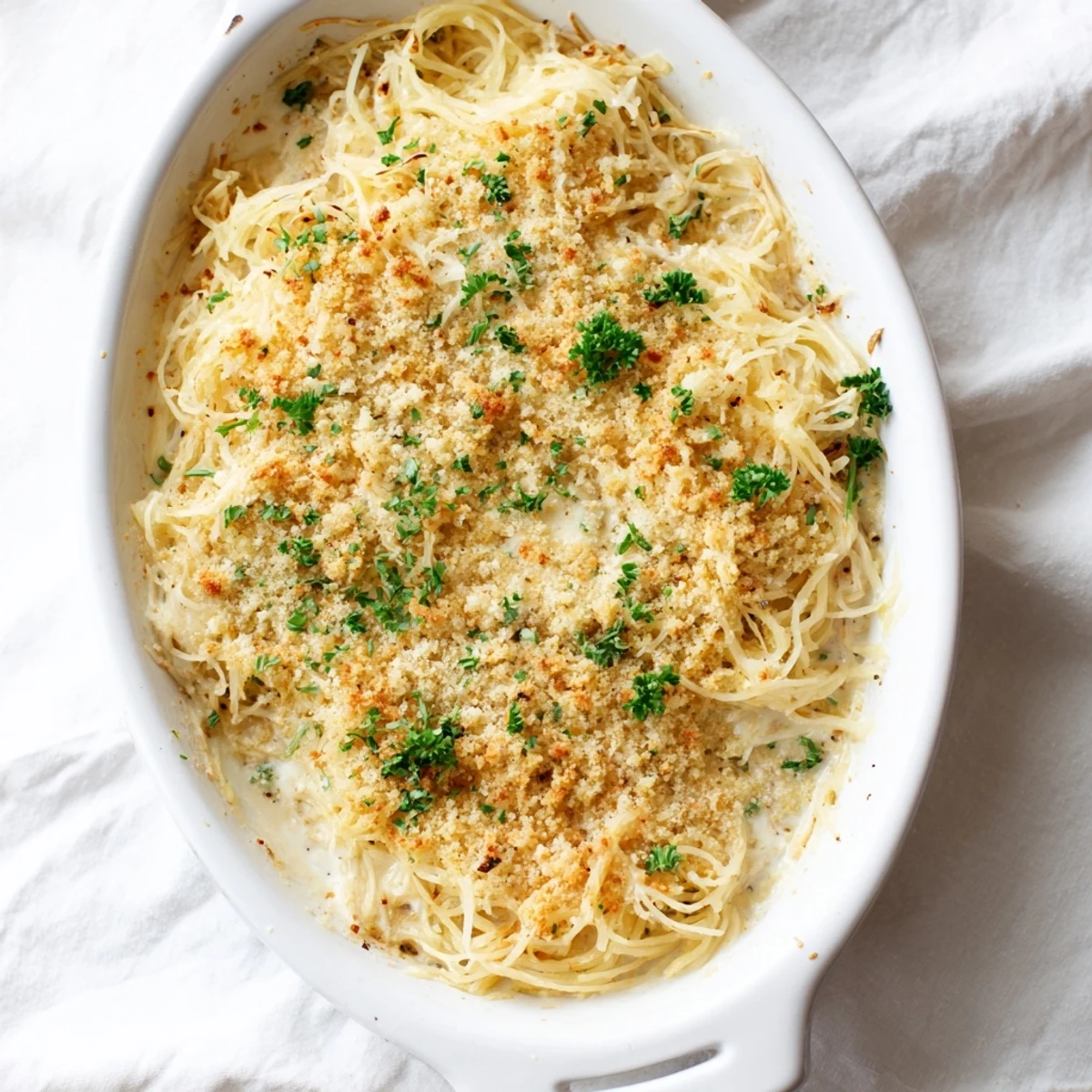
Save This wholesome reimagining features spaghetti squash roasted until tender, then tossed in a homemade cheese sauce made with sharp cheddar and Gruyère. The sauce starts with a classic roux, infused with Dijon mustard and aromatic seasonings before the cheeses are melted in for maximum creaminess.
What makes this special is how the squash strands mimic the texture of pasta while naturally reducing carbohydrates. After roasting, the flesh shreds into perfect spaghetti-like strands that hug every drop of that velvety sauce. An optional breadcrumb and Parmesan topping adds a satisfying crunch.
Ready in just over an hour, this vegetarian and naturally gluten-free dish serves four generously. Leftovers reheat beautifully, making it ideal for meal prep. You can easily add protein like chicken or chickpeas, or adapt it to be completely vegan with plant-based alternatives.
The knife slipped twice before I figured out the trick to cutting through that stubborn squash, and honestly that wobbly first attempt became one of my favorite kitchen victories. Spaghetti squash mac and cheese started as a desperate weeknight experiment when my fridge offered nothing but a lonely squash and a block of cheddar staring me down. What came out of the oven was something I did not expect, golden, bubbly, and strangely comforting in a way that regular pasta never quite manages. Now it shows up on my table whenever I need dinner to feel like a warm blanket without the heaviness.
I served this to my friend Sarah on a rainy Tuesday when she stopped by unannounced and complained about being cold and hungry. She took one bite, paused mid sentence, and said absolutely nothing for about ten seconds, which from Sarah is the highest compliment possible. We sat at the kitchen counter with the baking dish between us and ate straight from it with two forks, no plates, no ceremony. That dish never even made it to the table.
Ingredients
- 1 medium spaghetti squash (about 1.2 kg): Pick one that feels heavy for its size with a pale, firm skin and no soft spots, because that guarantees sweet, tender strands inside.
- 2 tablespoons unsalted butter: This forms the base of your roux, so use real butter here and nothing else for the silkiest result.
- 2 tablespoons gluten-free all-purpose flour: Regular flour works too if gluten is not a concern, but either way this small amount thickens the sauce without making it pasty.
- 1 1/2 cups whole milk: Whole milk makes the sauce velvety, and lower fat versions tend to leave it thin and slightly watery.
- 1 teaspoon Dijon mustard: This tiny addition wakes up the cheese flavor without anyone guessing it is there.
- 1/2 teaspoon garlic powder and 1/2 teaspoon onion powder: Together they add a savory depth that makes the sauce taste like it simmered for much longer than four minutes.
- 1/2 teaspoon salt and 1/4 teaspoon black pepper: Seasoning matters more here than you think because the squash itself is mildly sweet and needs balance.
- 1 1/2 cups sharp cheddar cheese, shredded: Always shred your own from a block since pre-shredded bags are coated in anti-caking powder that prevents smooth melting.
- 1/2 cup Gruyere cheese, shredded: Optional but highly recommended because it adds a nutty complexity that elevates the whole dish.
- 2 tablespoons grated Parmesan cheese: This goes into the topping and creates that irresistible golden crust on top.
- 1/4 cup gluten-free breadcrumbs: They soak up the melted butter and crisp beautifully in the oven.
- 1 tablespoon melted butter: Mixed with the crumbs for crunch and flavor.
- Chopped parsley: A handful at the end adds freshness and a pop of color that makes the dish look finished.
Instructions
- Prep the oven and the squash:
- Crank your oven to 400 degrees Fahrenheit and line a baking sheet with parchment paper so nothing sticks later.
- Split and seed the squash:
- Carefully halve the squash lengthwise with a sharp, sturdy knife, then scoop out the stringy seeds and guts with a spoon until the cavities are clean.
- Roast cut side down:
- Place both halves cut side down on the parchment and roast for 35 to 40 minutes until a fork slides through the flesh with gentle resistance but no fight.
- Start the cheese sauce:
- Melt the butter in a saucepan over medium heat, whisk in the flour, and stir constantly for one minute until it smells faintly toasted and looks like wet sand.
- Build the creamy base:
- Pour in the milk slowly while whisking so no lumps form, then add the Dijon, garlic powder, onion powder, salt, and pepper, and keep stirring until the sauce thickens enough to coat the back of a spoon.
- Melt in the cheese:
- Pull the pan off the heat and stir in both cheeses until everything is glossy, smooth, and smells exactly like the inside of a fondue pot.
- Shred the squash strands:
- Let the roasted squash cool just enough to handle, then drag a fork through the flesh to create long spaghetti-like strands and discard the empty skins.
- Combine and transfer:
- Toss the squash strands into the cheese sauce, fold gently until every strand is coated, and scoop the whole mixture into a greased baking dish.
- Add the crispy topping:
- Mix the breadcrumbs with melted butter and Parmesan, sprinkle evenly over the top, and press down lightly so it adheres while baking.
- Bake until golden and bubbling:
- Slide the dish into the oven for about 10 minutes until the edges are bubbling and the topping turns a deep golden brown.
- Finish and serve:
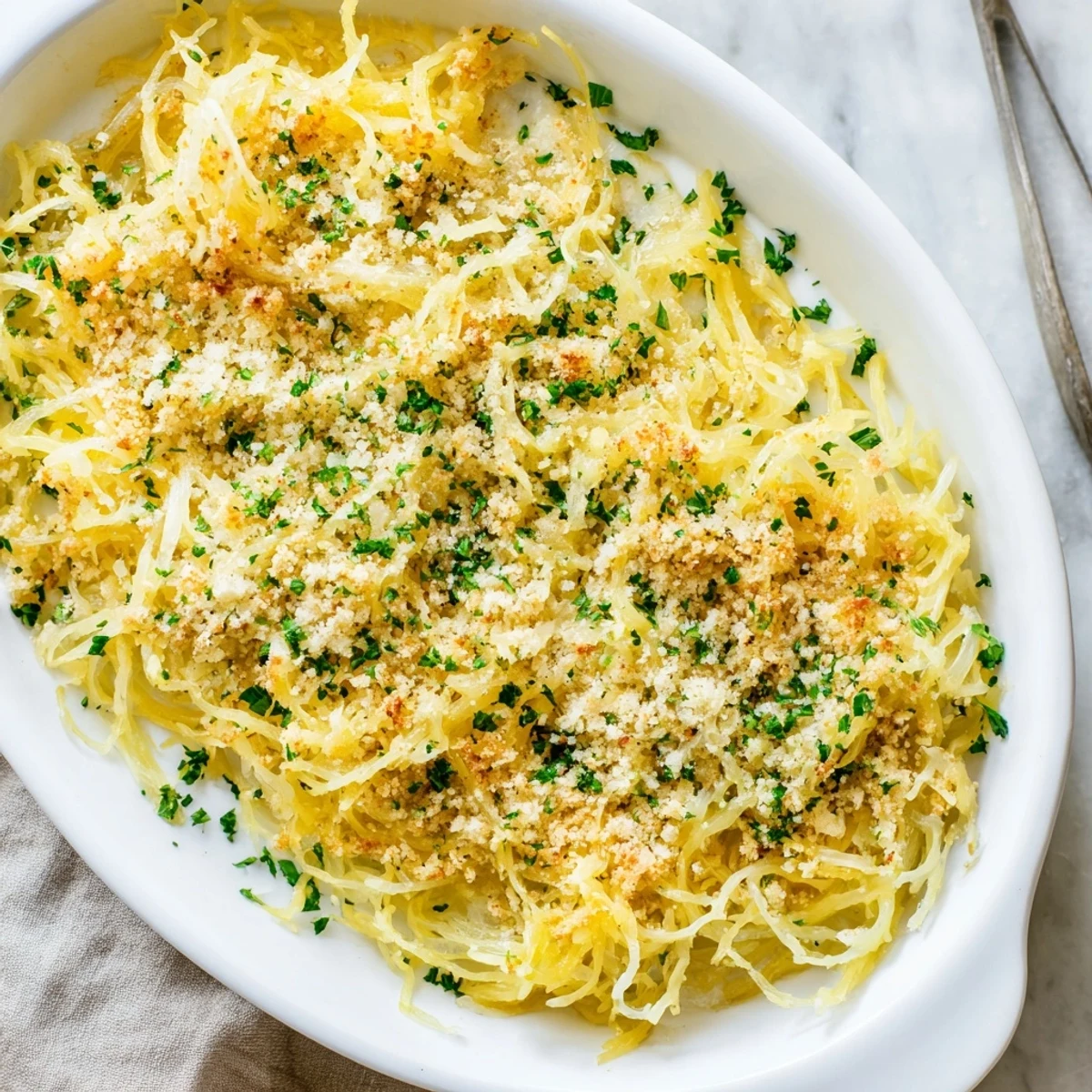
- Scatter chopped parsley across the top and let it rest for a few minutes before serving hot directly from the dish.
 Save
Save The night I made this for my neighbor after she had a rough week at work, she sat on my kitchen floor eating leftovers cold from the container and told me it was the first thing that tasted good in days. That is the quiet power of comfort food made with real ingredients and zero pretension. Sometimes a squash and some cheese are enough.
Storage and Reheating
Leftovers keep well covered in the refrigerator for up to three days, though the texture is best on day one when the strands still have some bite. To reheat, a quick turn in the oven at 350 degrees Fahrenheit works far better than the microwave, which tends to make the sauce separate and the squash weep. If you must use the microwave, do it in short bursts and stir between each one.
Making It Your Own
Stir in cooked shredded chicken or roasted chickpeas for extra protein, or swap the cheddar for Monterey Jack if you want something milder and stretchier. The beauty of this recipe is how forgiving it is with substitutions as long as you keep the ratio of sauce to squash roughly the same. I have thrown in leftover broccoli, caramelized onions, and even diced jalapenos on different occasions and never been disappointed.
What to Watch For
Here are the small things that make a big difference between a good result and a great one.
- Let the squash rest cut side up for five minutes after roasting so steam escapes and the strands stay firmer.
- Taste the cheese sauce before combining it with the squash and adjust salt if needed because squash sweetness varies.
- Always serve this hot because cheese sauce thickens as it cools and loses that flowing, comforting texture.
 Save
Save Keep this one in your back pocket for the nights when comfort matters more than perfection. A squash, some cheese, and thirty quiet minutes in the kitchen can fix quite a lot.
Common Questions
- → Is spaghetti squash a good pasta substitute?
-
Spaghetti squash creates remarkably pasta-like strands when roasted and shredded with a fork. While the texture is slightly more tender than traditional pasta, it absorbs sauces beautifully and offers a naturally sweet flavor that complements rich cheese sauces perfectly.
- → Can I make this dish completely dairy-free?
-
Absolutely. Substitute the butter with olive oil or vegan butter, use your favorite plant-based milk (almond, oat, or cashew work well), and replace the cheeses with dairy-free alternatives. Nutritional yeast can add that cheesy umami flavor you might miss.
- → How do I know when the squash is fully roasted?
-
The squash is ready when the flesh is tender and easily yields to a fork. You should be able to shred it into strands with minimal effort. This typically takes 35-40 minutes at 400°F, but start checking around the 30-minute mark as sizes vary.
- → Why does the sauce use both cheddar and Gruyère?
-
Sharp cheddar provides that familiar bold, tangy flavor we all love. Gruyère adds nutty, complex notes and excellent melting properties. Together they create depth and a velvety texture that wouldn't be achieved with just one cheese.
- → Can I prepare this ahead of time?
-
You can roast the squash and prepare the cheese sauce up to two days in advance. Store them separately in the refrigerator. When ready to serve, reheat the sauce gently, combine with the squash strands, and bake with the topping for that fresh-from-the-oven experience.
- → What toppings work well beyond breadcrumbs?
-
Try crushed pork rinds for extra crunch and protein, chopped walnuts or pecans for nuttiness, or simply extra shredded cheese that melts into a golden crust. Fresh herbs like chives or thyme add brightness and color.