
 Save
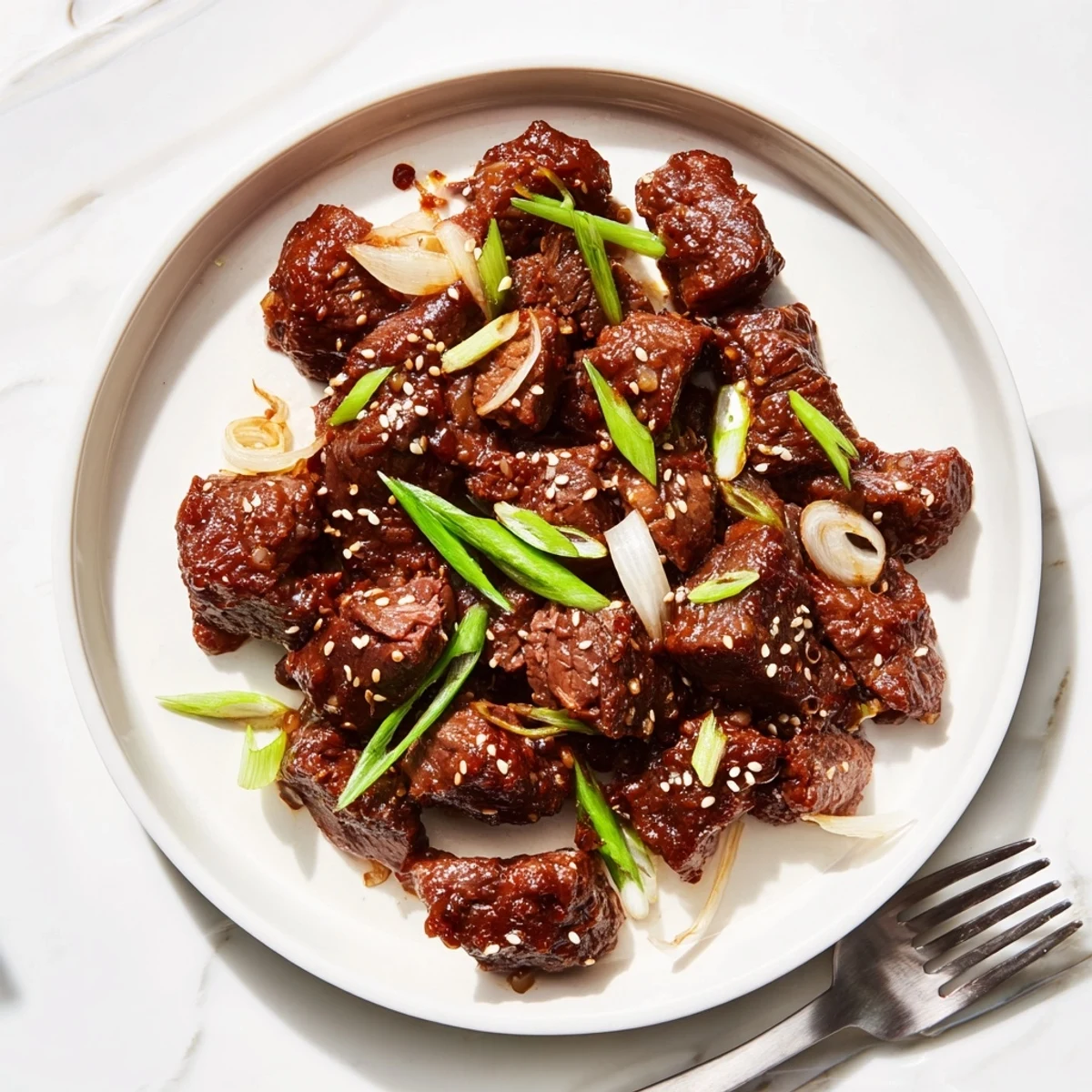
Save Melt-in-your-mouth beef chuck roast slowly simmers in a rich Korean-inspired sauce featuring low-sodium soy sauce, brown sugar, toasted sesame oil, garlic, ginger, rice vinegar, and spicy gochujang paste. After hours of gentle cooking, the beef becomes incredibly tender and shreds easily, absorbing all the complex flavors. Serve over steamed jasmine rice for a comforting bowl or wrap in crisp butter lettuce leaves for a lighter option. Add kimchi and pickled vegetables on the side for an authentic Korean experience.
The apartment smelled like sesame and garlic before I even unlocked the door, that unmistakable fragrance that means good things are happening in a slow cooker somewhere nearby. My roommate had left it going all day while we were at work, and by 6pm the whole place felt like we'd walked into a Seoul restaurant without leaving our living room. We ate it straight from the cooker, standing over the counter with forks and steaming bowls of rice, too impatient to bother with actual plates.
Last winter I made this for a dinner party when two friends announced they were moving across the country. We spent the evening huddled around my tiny kitchen table, letting the beef cook while we talked about their new city and old memories. Food has a way of marking moments like that, and now every time I smell sesame oil, I'm back in that kitchen, halfway between happy for them and sad for us.
Ingredients
- 2 lbs beef chuck roast: Chuck roast has the perfect marbling for slow cooking, breaking down into melt-in-your-mouth strands that hold onto every bit of sauce
- 1/2 cup low-sodium soy sauce: Starting with low-sodium soy sauce lets you control the salt level since the sauce reduces and concentrates during cooking
- 1/3 cup brown sugar: Brown sugar caramelizes beautifully and adds a molasses depth that white sugar just cant replicate
- 1/4 cup sesame oil: Toasted sesame oil is the backbone of Korean flavor, so dont skip it or try to substitute with something else
- 4 cloves garlic, minced: Fresh garlic is non-negotiable here, nothing compares to that sharp, aromatic punch
- 1 tablespoon fresh ginger, grated: The ginger adds a bright, spicy warmth that cuts through the rich beef and sweet sauce
- 1/4 cup rice vinegar: Rice vinegar brings a subtle acidity that balances all the sugar and keeps the sauce from becoming cloying
- 2 tablespoons gochujang: This Korean chili paste adds mild heat and incredible depth, though you can bump it up if you like things spicy
- 2 teaspoons toasted sesame seeds: Toasting your sesame seeds first makes a huge difference in their nutty flavor
- 1 medium onion, thinly sliced: The onions practically dissolve into the sauce, adding sweetness and body
- 4 green onions, sliced: Fresh green onions on top add a crisp, sharp contrast to the rich, tender beef
- 1 tablespoon cornstarch: Optional but recommended if you prefer a thicker, clingier sauce
Instructions
- Get everything in the cooker:
- Place your beef pieces and sliced onions in the slow cooker, arranging them in a relatively even layer so the sauce can reach everything
- Make the magic sauce:
- Whisk together the soy sauce, brown sugar, sesame oil, garlic, ginger, rice vinegar, gochujang, sesame seeds, and black pepper until the sugar has completely dissolved
- Coat the beef:
- Pour that beautiful sauce over the beef and onions, then toss everything gently so every piece is coated in that glossy, fragrant liquid
- Let it work its magic:
- Cover and cook on low for 8 hours or high for 4 hours, until the beef is fork-tender and practically falling apart
- Thicken if you want:
- If you prefer a thicker sauce, mix the cornstarch with water to make a smooth slurry and stir it in during the last 30 minutes of cooking
- Shred and serve:
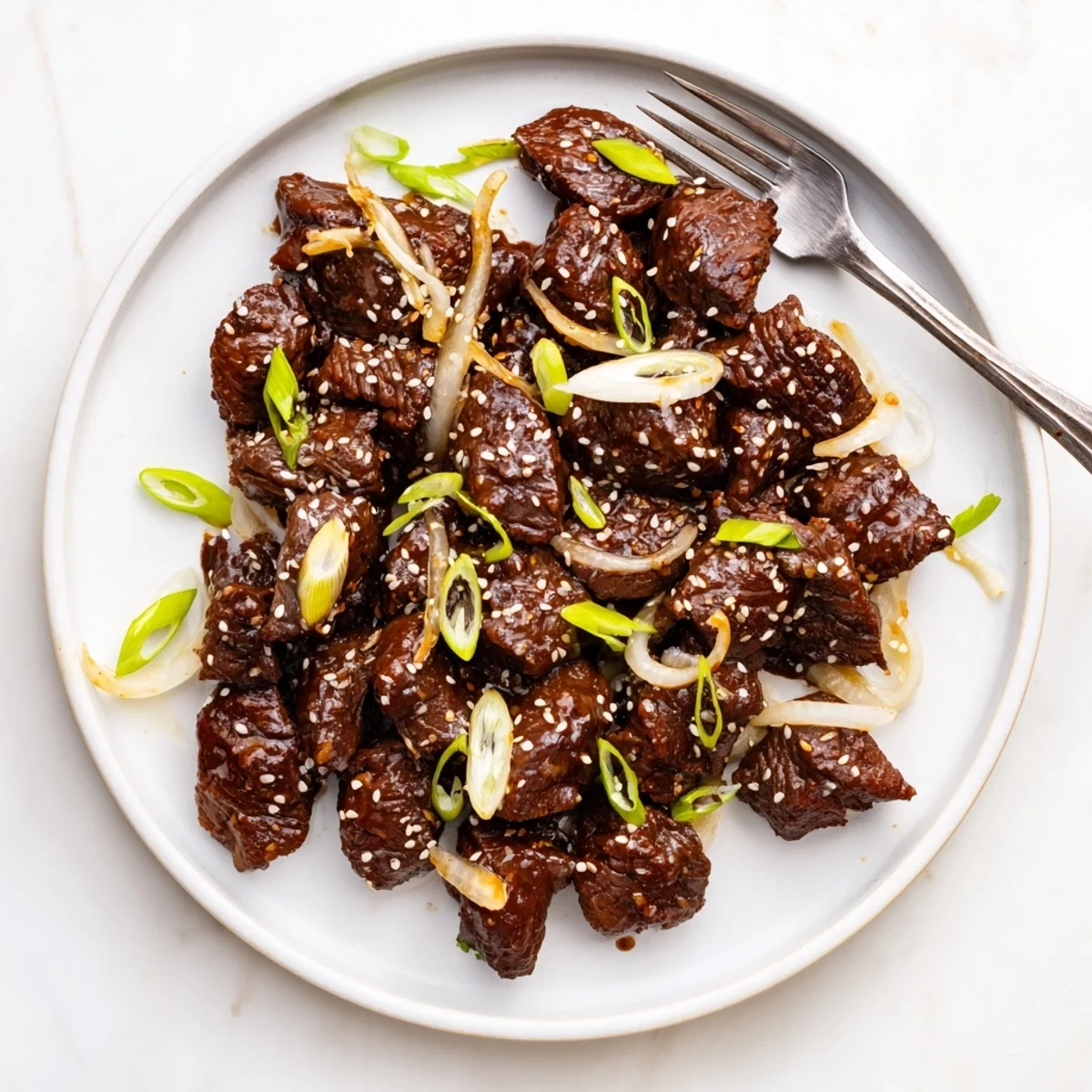
- Use two forks to shred the beef right in the cooker, mixing it with all that sauce, then garnish with green onions and extra sesame seeds
 Save
Save My sister claimed she didnt like Korean food until I made this for her birthday dinner last year. She took one bite, eyes widened, and asked why Id never made it before, then proceeded to have thirds. Now she requests it every time she visits, and I've learned to always double the recipe.
Serving Ideas That Work
Steamed white rice is classic, but try it over fluffy jasmine rice or sticky sushi rice for something different. Lettuce wraps with ssamjang, kimchi, and a little rice are perfect when you want something lighter and more hands-on. I've even served it in bao buns with quick pickled cucumbers for a Korean-inspired spin on tacos.
Make It Your Way
Honey works beautifully instead of brown sugar if you prefer a floral sweetness, though the sauce will be slightly thinner. For more heat, add gochujang gradually until it hits your preferred spice level, or toss in red pepper flakes if you want a different kind of burn. A splash of miri adds depth and gloss, though you might want to reduce the brown sugar slightly to compensate.
Meal Prep And Storage
This actually tastes better the next day, so dont hesitate to make it ahead and let those flavors develop overnight in the refrigerator. The fat will solidify on top, making it easy to skim off if you want to reduce the richness. Portion it into containers with rice and vegetables for work lunches that will make your coworkers jealous.
- Freeze individual portions for up to three months, thawing overnight in the refrigerator
- Reheat gently with a splash of water or broth to loosen the sauce
- The sauce separates slightly after freezing but comes back together beautifully with a quick stir
 Save
Save Theres something deeply satisfying about a meal that takes care of itself while you go about your day, then rewards you with something this delicious. Hope this becomes as much of a staple in your kitchen as it has in mine.
Common Questions
- → What cut of beef works best?
-
Chuck roast is ideal because it becomes tender and shreddable after long, slow cooking. Brisket or round roast also work well.
- → Can I make this spicier?
-
Yes! Increase the gochujang to 3 tablespoons or add crushed red pepper flakes. Adjust the heat level to your preference.
- → Is it gluten-free?
-
Use tamari or certified gluten-free soy sauce to make it gluten-free. Check that your gochujang is also gluten-free.
- → Can I freeze leftovers?
-
Absolutely. Cool completely, then store in airtight containers or freezer bags for up to 3 months. Thaw overnight in the refrigerator.
- → What should I serve with this?
-
Steamed rice is classic, but it also works in lettuce wraps, over noodles, or in grain bowls. Kimchi and pickled vegetables make perfect sides.