
 Save
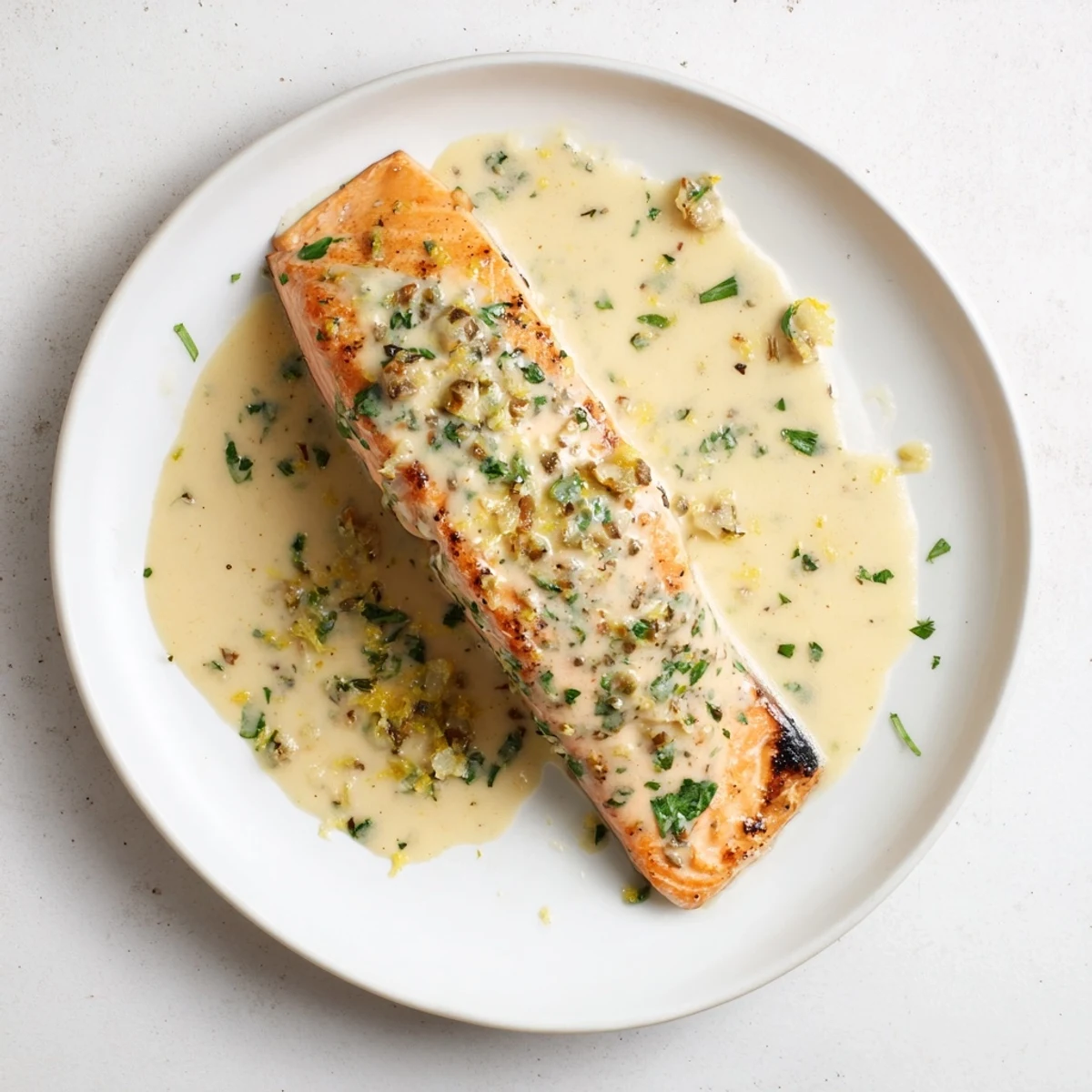
Save Transform fresh salmon into an elegant dinner with this luscious lemon cream sauce. The fish develops a beautiful golden crust while staying tender inside, thanks to quick pan-searing. The velvety sauce balances rich heavy cream with bright lemon, garlic, and Dijon mustard, creating that perfect tangy finish. Everything comes together in one skillet in just 30 minutes, making this ideal for weeknight dinners or special occasions alike.
The sizzle of salmon hitting a hot pan is one of those sounds that instantly makes a kitchen feel alive, and paired with a lemon cream sauce, it becomes something quietly luxurious. My neighbor brought over a massive bag of lemons from her tree one January, and this recipe was born from pure citrus desperation. It has since become the dish I reach for when I want dinner to feel special without spending an hour at the stove.
I made this for my sister the night she told me she was pregnant, and we sat at the kitchen counter eating straight from the skillet, too excited to bother plating properly. The cream sauce had broken slightly because I rushed it, but neither of us cared. Some meals are really just vehicles for the moment.
Ingredients
- 4 salmon fillets (about 150 to 180 g each), skinless or skin on: Thick center cut fillets cook more evenly and stay juicier than tail pieces.
- 1 tablespoon olive oil: A neutral oil works too, but olive oil adds a subtle fruitiness that complements the lemon.
- Salt and freshly ground black pepper: Season the fish generously on both sides before it hits the pan.
- 2 tablespoons unsalted butter: This forms the aromatic base of your sauce, so let it foam gently without browning.
- 2 garlic cloves, minced: Finely minced garlic melts into the sauce and sweetens as it cooks.
- 1 cup heavy cream: Full fat cream is nonnegotiable here for that silky, coating texture.
- 1 teaspoon Dijon mustard: Just a whisper of mustard adds depth and helps the sauce emulsify.
- 1 tablespoon freshly squeezed lemon juice plus more to taste: Always use fresh lemon juice because the bottled kind tastes flat and metallic.
- 1 teaspoon lemon zest: The zest holds all the aromatic oils and brightens the sauce more than juice alone.
- 2 tablespoons freshly chopped parsley: Stirred in at the end, it adds freshness and a hit of green color.
Instructions
- Dry and season the salmon:
- Pat each fillet thoroughly with paper towels, then season both sides with salt and pepper, pressing gently so the seasoning adheres.
- Sear the fillets:
- Heat olive oil in a large skillet over medium high heat until it shimmers, then lay the salmon in skin side down and cook for 4 to 5 minutes per side until the exterior is golden and the center is just set.
- Rest the fish:
- Transfer the fillets to a plate and tent loosely with foil so they stay warm while you build the sauce.
- Start the aromatics:
- Reduce the heat to medium, melt the butter in the same skillet, and sauté the minced garlic for about 30 seconds until fragrant but not colored.
- Build the cream base:
- Pour in the heavy cream and Dijon mustard, stirring to scrape up any golden bits from the bottom of the pan, then simmer gently for 3 to 4 minutes.
- Add the lemon:
- Stir in the lemon juice and zest, season with salt and pepper, and let it bubble for 2 more minutes until it coats the back of a spoon.
- Finish with parsley:
- Remove from heat, fold in the chopped parsley, and taste to decide if it needs another squeeze of lemon or a pinch of salt.
- Reunite and serve:
- Nestle the salmon back into the sauce, spoon it generously over the top, and simmer for just a minute or two to warm everything through before serving.
 Save
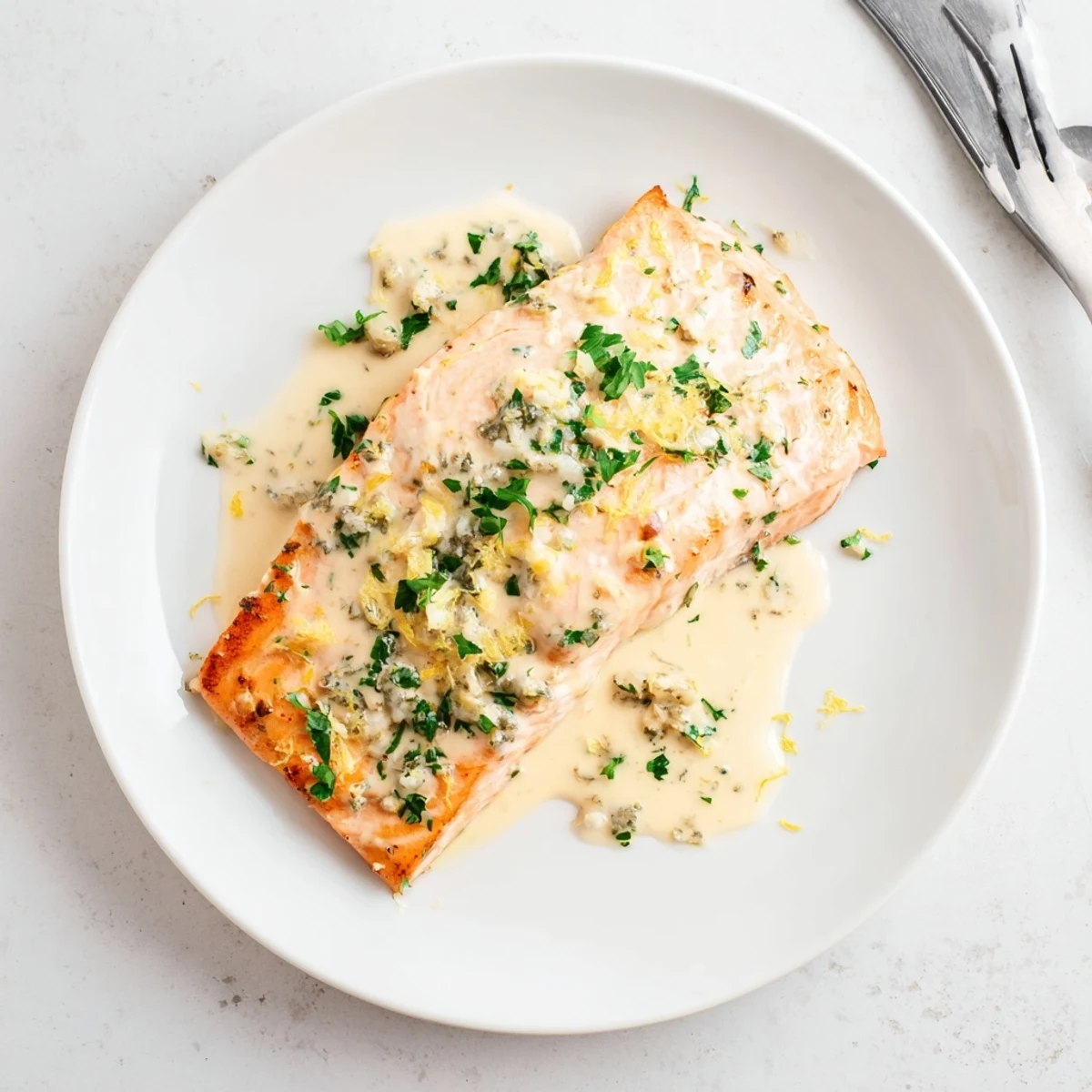
Save The first time I served this on actual plates instead of eating over the sink, I realized that a good cream sauce can turn a Tuesday into something worth remembering.
What to Serve Alongside
Steamed asparagus and roasted potatoes are my go-to pairing, though a pile of buttery rice pilaf soaks up the extra sauce beautifully. In summer I skip the starch entirely and serve it with a shaved fennel salad for something lighter.
A Lighter Approach
Half and half or creme fraiche can stand in for heavy cream if you want a slightly lighter sauce, though it will be a bit less velvety and may need a touch longer to reduce.
Wine and Pairing Thoughts
A crisp Sauvignon Blanc echoes the lemon in the sauce, while a lightly oaked Chardonnay plays beautifully with the cream. Choose whichever matches your mood.
- Chill your wine before you start cooking so it is ready the moment the salmon comes off the heat.
- A wedge of lemon on the plate lets everyone adjust the brightness to their own taste.
- Leftover sauce is incredible drizzled over scrambled eggs the next morning.
 Save
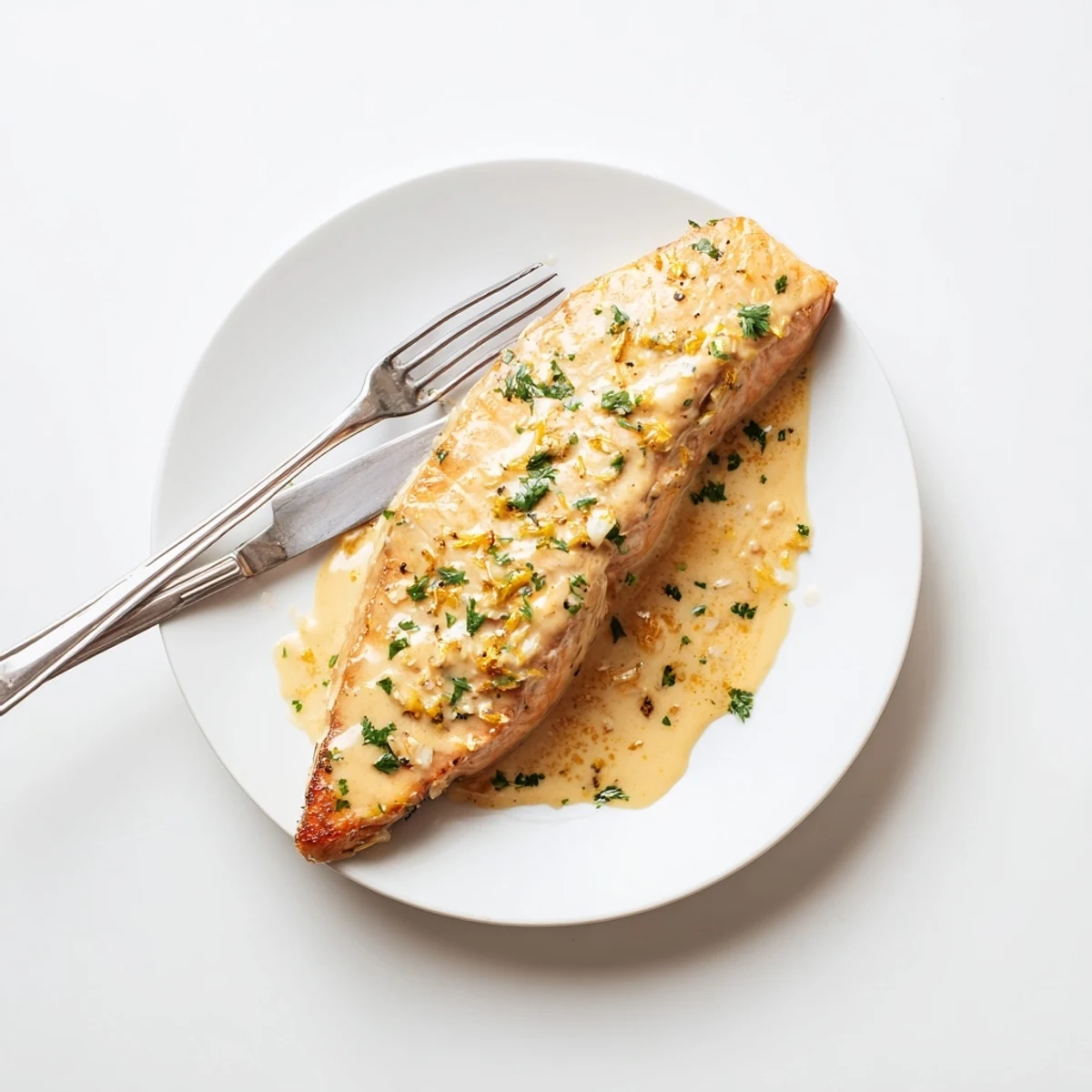
Save This is the kind of recipe that reminds you elegance does not require effort, just good ingredients and a little attention. Make it once and it will follow you home forever.
Common Questions
- → How do I know when the salmon is done?
-
The salmon is perfectly cooked when it flakes easily with a fork and reaches an internal temperature of 145°F (63°C). The flesh should turn opaque and slightly pink throughout, with a nice golden crust on the exterior.
- → Can I make the sauce ahead of time?
-
Yes, prepare the lemon cream sauce up to 2 hours in advance and gently reheat over low heat, stirring constantly. Add a splash of cream if it thickens too much. Warm the sauce before pouring over freshly cooked salmon.
- → What sides pair well with this dish?
-
Steamed asparagus, roasted potatoes, or rice pilaf complement the creamy sauce beautifully. For lighter options, try sautéed green beans, a fresh arugula salad, or roasted cauliflower. Crusty bread also works wonderfully for mopping up extra sauce.
- → Can I substitute the heavy cream?
-
Half-and-half or crème fraîche create a lighter version, though the sauce will be less thick. For a dairy-free alternative, coconut cream works but adds subtle coconut flavor. Reduce any substitute longer to achieve similar consistency.
- → Should I remove the skin before cooking?
-
Cooking skin-side down creates a crispy texture and helps protect the delicate flesh. Remove the skin before serving if preferred—it slips off easily after cooking. Skinless fillets work perfectly too, just handle gently when flipping.
- → How can I prevent the sauce from curdling?
-
Keep the heat at medium or lower once adding cream, and avoid rapid boiling. Stir continuously and add lemon juice gradually while mixing. Room temperature cream incorporates more smoothly than cold from the refrigerator.