
 Save
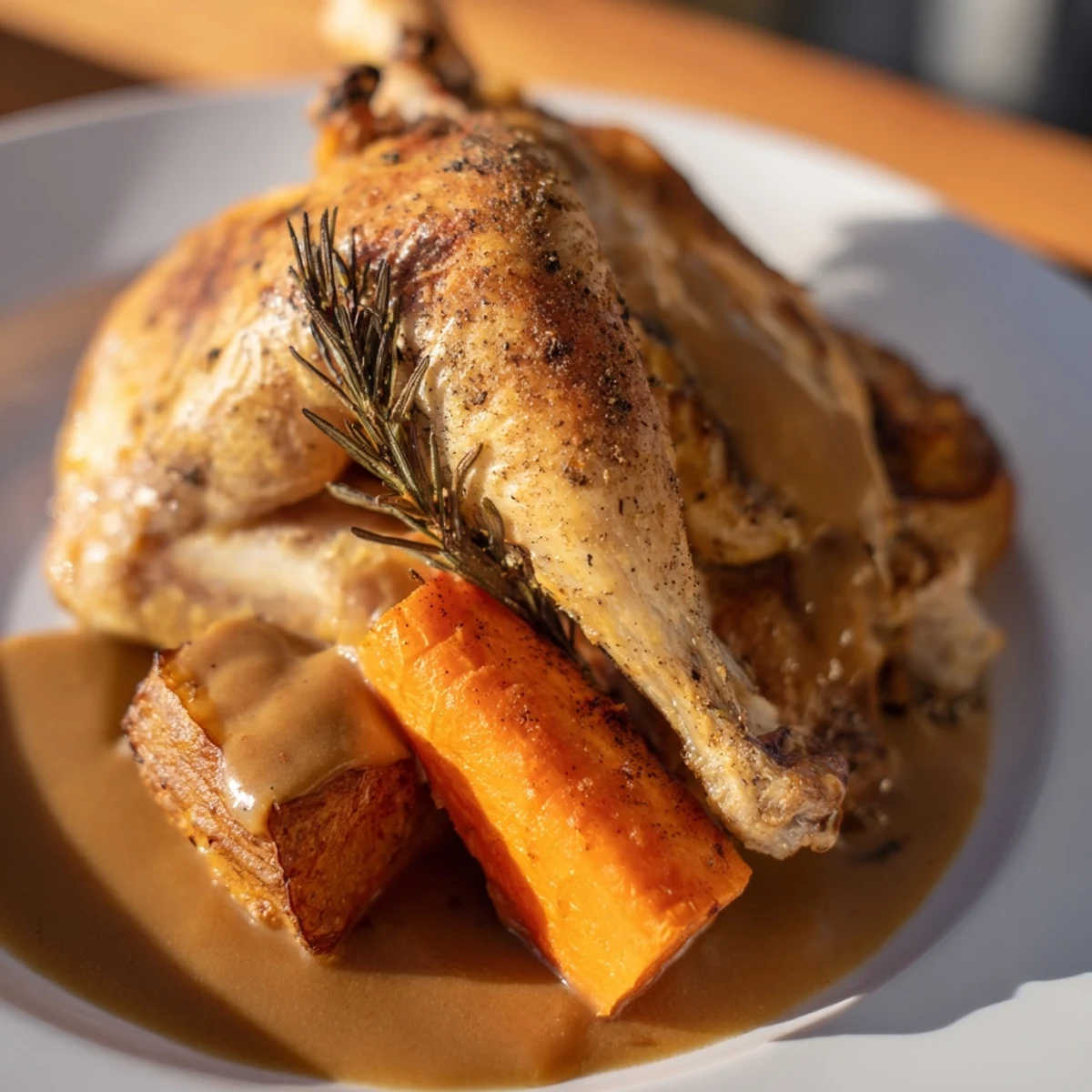
Save This dish features a whole chicken roasted to juicy perfection alongside large chunks of carrots, potatoes, onions, and celery. Infused with herbs like thyme, rosemary, and paprika, the poultry is seasoned inside and out before roasting. The vegetables roast beneath, soaking up flavorful juices. The pan drippings create a rich, velvety gravy thickened with cornstarch, enhancing the meal’s warmth. Perfect for a comforting family dinner, it combines simple ingredients with an aromatic blend of spices.
There's something about the smell of a roasting chicken that fills a kitchen with an almost magical warmth. Years ago, my grandmother would slide one into her oven on Sunday afternoons, and the whole house would transform into this cozy haven where time moved slower. Now, whenever I roast a chicken with vegetables and gravy, I'm transported back to those quiet moments waiting for dinner, the anticipation building as the skin turned golden and the vegetables caramelized at the edges.
I made this for my sister's first dinner in her new apartment, and watching her face light up when she tasted the gravy was worth every minute of prep work. She'd been living on takeout for weeks, and something about real food made with care shifted the whole mood that evening. We sat at her tiny kitchen table with the roasting pan still warm between us, and nobody rushed through the meal.
Ingredients
- 1 whole chicken (about 4 lbs): Look for one with pale, unblemished skin and flexible legs that bend easily back toward the breast, a sign of a younger bird that will cook more evenly.
- 2 tbsp olive oil: Use a decent quality oil here since it touches the skin directly and contributes to that golden exterior.
- 1 lemon, halved: The acid inside the cavity gently seasons the meat from within as it steams during roasting.
- 4 garlic cloves, smashed: Smashing them instead of mincing releases their oils more gradually, infusing the chicken without overpowering it.
- 1 small bunch fresh thyme: Fresh makes all the difference compared to dried, as it releases those grassy, almost floral notes into the cavity.
- 4 large carrots, peeled and cut into large chunks: Cut them bigger than you think you need because they shrink more than you'd expect and you want substantial pieces.
- 4 medium potatoes, cut into chunks: Aim for roughly walnut-sized pieces so they cook through in the same time as the chicken.
- 2 large onions, quartered: Quartering keeps them intact enough to look beautiful on the plate while still softening into the vegetables.
- 2 celery stalks, cut into large pieces: These add subtle sweetness and body to the pan juices that become gravy later.
- Salt, pepper, paprika, rosemary, and thyme: This combination creates a subtle crust that tastes homemade and balanced, not like a commercial spice blend.
- 2 tbsp pan drippings, cornstarch or flour, 2 cups chicken stock: The drippings are liquid gold, so save every bit of them for the gravy.
Instructions
- Start with a hot oven:
- Preheat to 425°F because the initial blast of heat seals the chicken skin and starts rendering the fat underneath. This is why your roasted chicken will have that restaurant-quality bronze exterior instead of pale, rubbery skin.
- Dry and season the bird:
- Pat the chicken completely dry with paper towels, then rub it inside and out with olive oil and your spice blend. Stuff the cavity with the lemon halves, smashed garlic, and fresh thyme bunch so the seasonings steam the inside as it cooks.
- Build the bed:
- Arrange your chopped vegetables in a large roasting pan in a single layer, toss them lightly with a bit of olive oil and salt. This creates a natural trivet that keeps the chicken elevated slightly above the bottom of the pan, allowing heat to circulate underneath.
- Roast and baste:
- Place the chicken breast-side up on the vegetables and slide into the oven for about an hour and 15 minutes, checking that an instant-read thermometer inserted into the thickest part of the thigh reads 165°F. About halfway through, tip the pan and use a spoon to baste the chicken with the accumulated pan juices, which keeps the skin glossy and encourages even browning.
- Rest before carving:
- Transfer the finished chicken and vegetables to a serving platter and loosely cover with foil while it rests for ten minutes. This pause lets the juices redistribute throughout the meat instead of running all over your cutting board.
- Make the gravy:
- Carefully pour off and discard the excess fat from the roasting pan, leaving behind about two tablespoons of the flavorful drippings. Place the pan on medium heat, sprinkle in your cornstarch or flour, stir constantly for about a minute to cook off the raw taste, then gradually whisk in your chicken stock while scraping up every browned bit stuck to the bottom.
- Finish and serve:
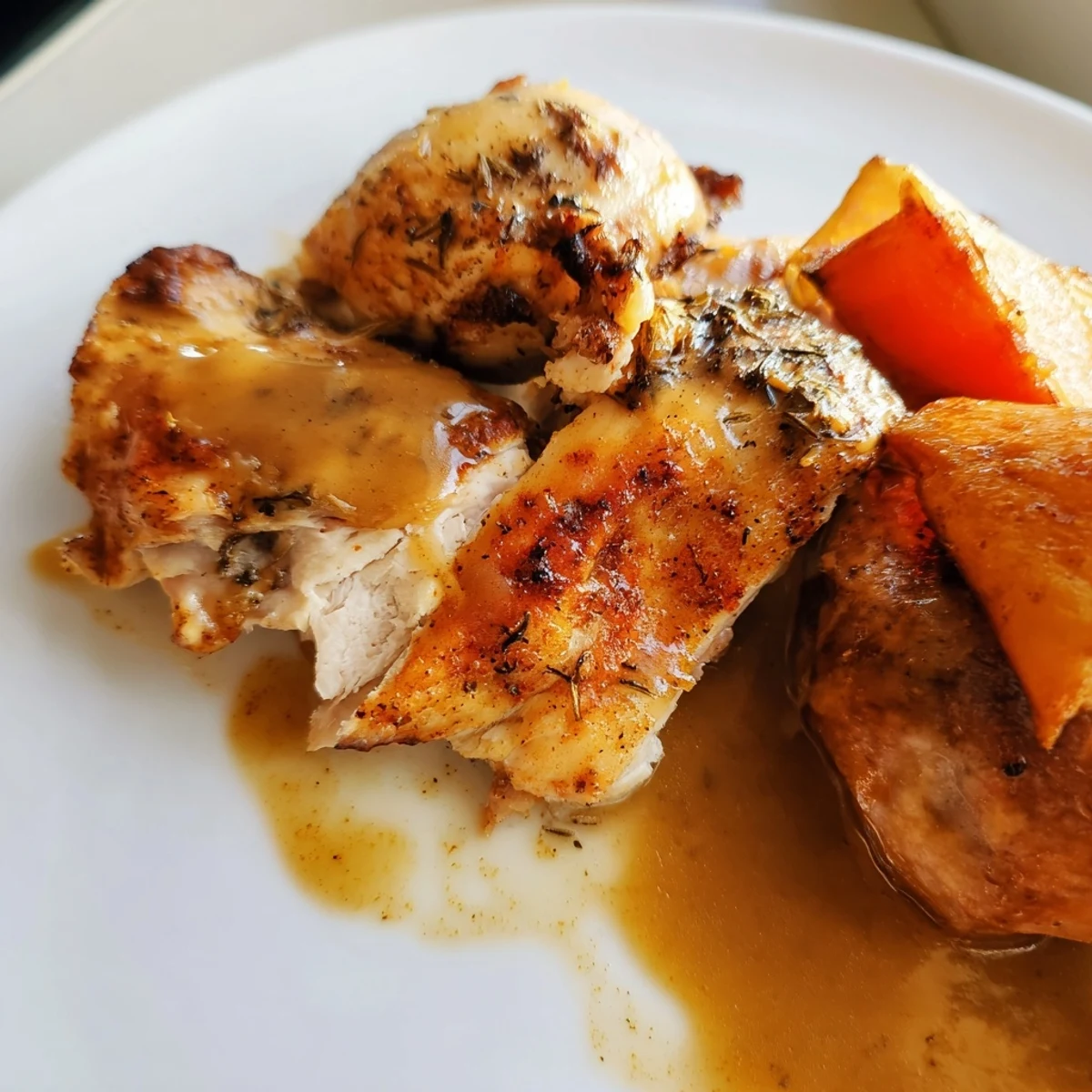
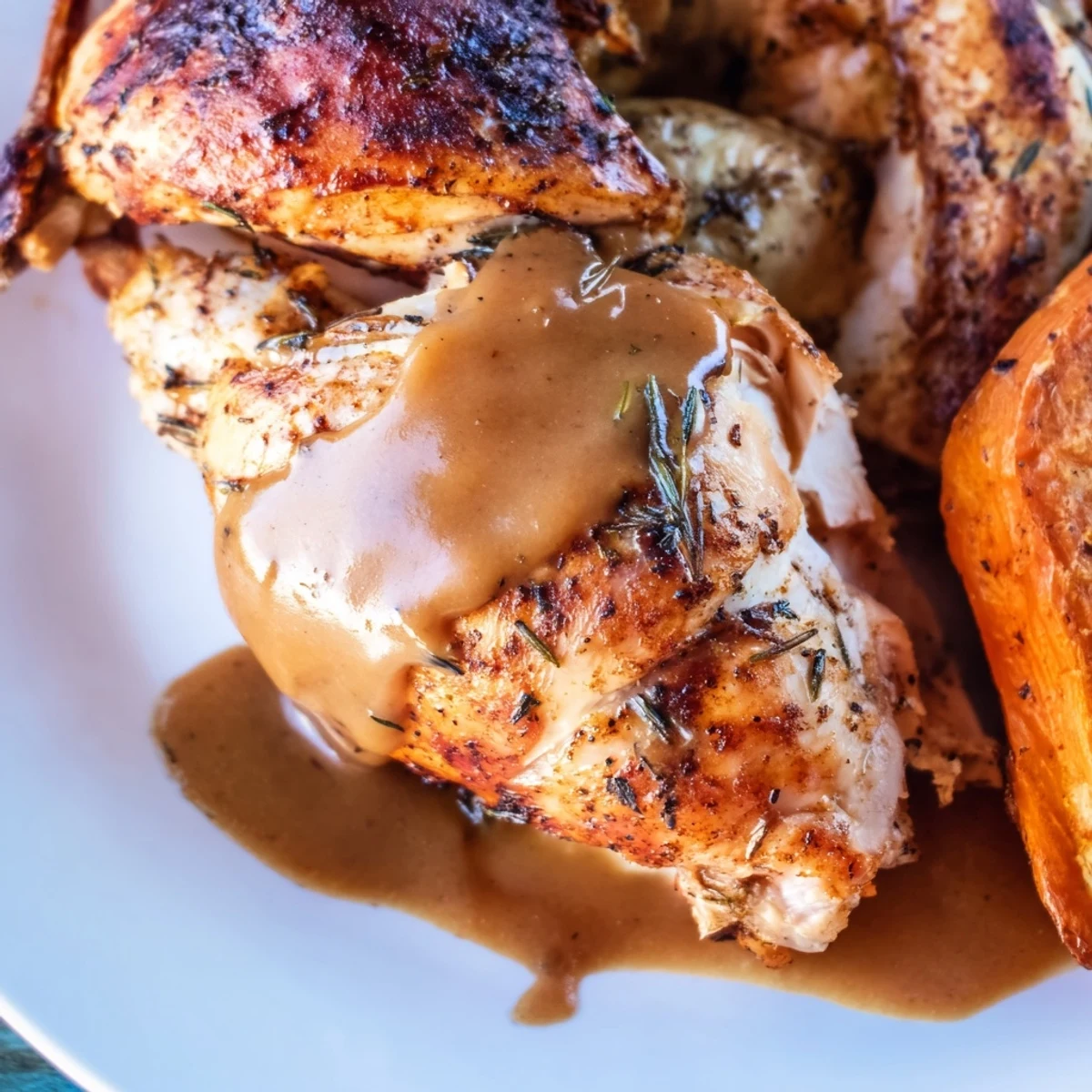
- Let the gravy simmer for three to five minutes until it thickens into something silky and rich, then taste and adjust the seasoning. Carve the chicken right at the table if you can, pouring that golden gravy over everything.
 Save
Save One evening, my neighbor came over while I was making this and stood in my doorway mesmerized by the smell, finally admitting she'd never actually made a roasted chicken before. By the time we sat down to eat, she'd pulled out her phone and was taking notes on what made the difference. That's when I realized this simple dish isn't just dinner, it's how people learn that cooking doesn't have to be complicated to taste like love.
Why This Works Every Time
The beauty of roasting everything together is that the chicken fat drips down onto the vegetables, seasoning them naturally as they cook. The vegetables create a cushion that prevents the chicken from sticking and burning on the bottom of the pan. Start at a high temperature to get color, and the oven does almost everything else while you can relax and set the table.
Variations That Feel New
Swap regular potatoes for parsnips or sweet potatoes if you want something slightly different, or use fresh rosemary instead of thyme for an earthier flavor that tastes like autumn. Sometimes I add thick-cut lemon slices right on top of the vegetables so they caramelize slightly and add brightness to each bite. You could also nestle in some whole garlic cloves to roast alongside everything, becoming sweet and mellow by the time you're ready to eat.
Making It Yours
The real magic happens when you stop thinking of this as a recipe to follow exactly and start understanding the principles underneath. Once you know that high heat creates color and that vegetables need space to roast instead of steam, you can confidently adjust based on what you have or what you're craving that day.
- Add fresh herbs like sage or oregano to the cavity alongside the thyme for deeper complexity.
- Toss the raw vegetables with a splash of balsamic vinegar before roasting for a subtle sweet-tangy edge.
- If your chicken is smaller or larger than four pounds, adjust cooking time by roughly fifteen minutes per pound difference.
 Save
Save This dish has a way of becoming tradition before you even realize it, the kind of meal people ask you to make again and again. There's comfort in knowing how to feed the people you love something that tastes both homemade and special.
Common Questions
- → What temperature is best for roasting the chicken?
-
Preheat your oven to 425°F (220°C) to achieve crispy skin and juicy meat.
- → Can I substitute the vegetables used in this dish?
-
Yes, root vegetables like parsnips or sweet potatoes work well as alternatives to carrots and potatoes.
- → How do I know when the chicken is fully cooked?
-
Use a meat thermometer; the internal temperature should reach 165°F (74°C) in the thickest part of the thigh.
- → What thickening agents suit the gravy?
-
Cornstarch or all-purpose flour can be used; cornstarch allows a gluten-free option.
- → How long should the chicken rest before carving?
-
Let the roasted chicken rest loosely covered for 10 minutes to allow juices to redistribute.
- → Can fresh herbs be substituted in this dish?
-
Fresh rosemary or sage can replace thyme to create a different aromatic profile.