
 Save
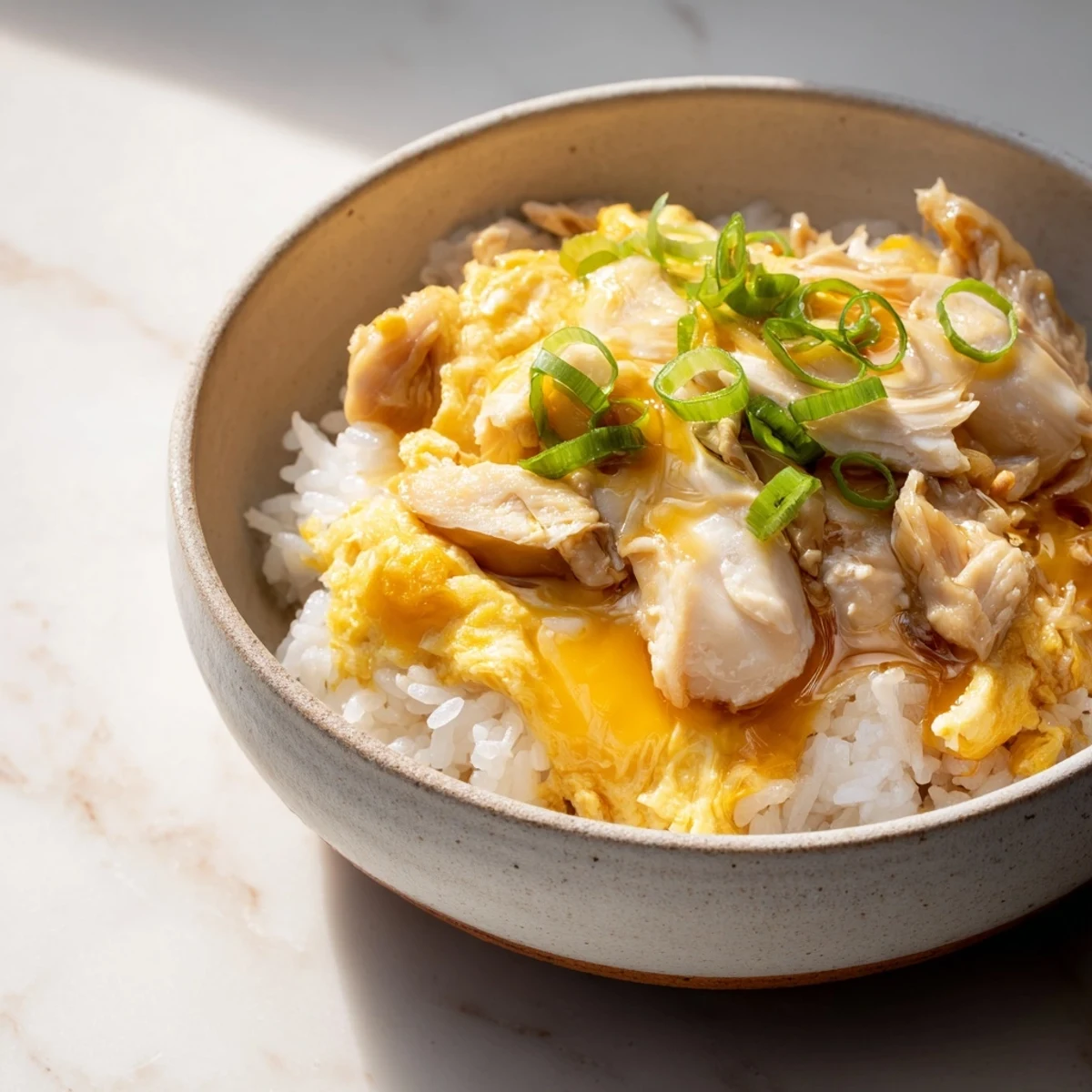
Save Oyakodon translates to "parent-and-child bowl," referring to the chicken and egg combination. This beloved Japanese comfort food features tender chicken thigh pieces and thinly sliced onions simmered in a flavorful dashi-based sauce with soy sauce, mirin, and sake. The mixture is gently bound with lightly beaten eggs that cook just until set—still slightly creamy—and served immediately over steaming hot Japanese rice. The entire dish comes together in under 30 minutes, making it perfect for busy weeknight dinners. Traditional garnishes include finely sliced spring onions for fresh contrast and optional shichimi togarashi for those who enjoy a bit of heat.
The steam rising from that first bowl of oyakodon in a tiny Tokyo restaurant still haunts me in the best way possible. I watched the chef slide the eggs over the simmering chicken with such practiced ease, while I frantically tried to memorize the rhythm of his movements. That evening in my shoebox apartment, my first attempt was disastrous—the eggs turned into rubbery scrambled bits and I burned the sauce onto my cheap pan.
My roommate walked in right as I was sliding that second, slightly improved attempt into bowls. She took one bite, closed her eyes, and declared this was the kind of food that fixes bad days and broken hearts alike. Now its my go-to when friends need feeding, and honestly, nothing beats watching someone take that first curious bite and immediately understand the magic.
Ingredients
- 2 boneless skinless chicken thighs: Thighs stay juicier through the simmering process and have enough fat to carry the sauce beautifully
- 3 large eggs: Room temperature eggs will incorporate more smoothly into the hot sauce
- 1 small onion: Thinly slice these against the grain so they melt away during simmering
- 2 spring onions: These add a fresh bright contrast to the rich savory sauce
- 120 ml dashi stock: Homemade dashi transforms this completely, but quality broth works too
- 2 tbsp soy sauce: This provides the deep savory foundation
- 1 tbsp mirin: The sweetness here balances the saltiness perfectly
- 1 tbsp sake: Adds subtle depth and helps tenderize the chicken
- 1 tsp sugar: Just enough to round out all the flavors
- 2 bowls cooked Japanese short-grain rice: Use rice cooked that day for the best texture and absorption
Instructions
- Mix the sauce base:
- Whisk together dashi, soy sauce, mirin, sake, and sugar until the sugar completely disappears into the liquid
- Soften the onions:
- Simmer the sliced onion in the sauce mixture for about 4 minutes until translucent and fragrant
- Cook the chicken:
- Add the chicken pieces, cover the pan, and let them simmer gently for 8 minutes, turning once halfway through
- Add the eggs:
- Lightly beat the eggs and pour them evenly over everything, then cover for just 2 minutes until barely set
- Assemble the bowls:
- Slide that gorgeous mixture over waiting bowls of hot rice and scatter spring onions on top
 Save
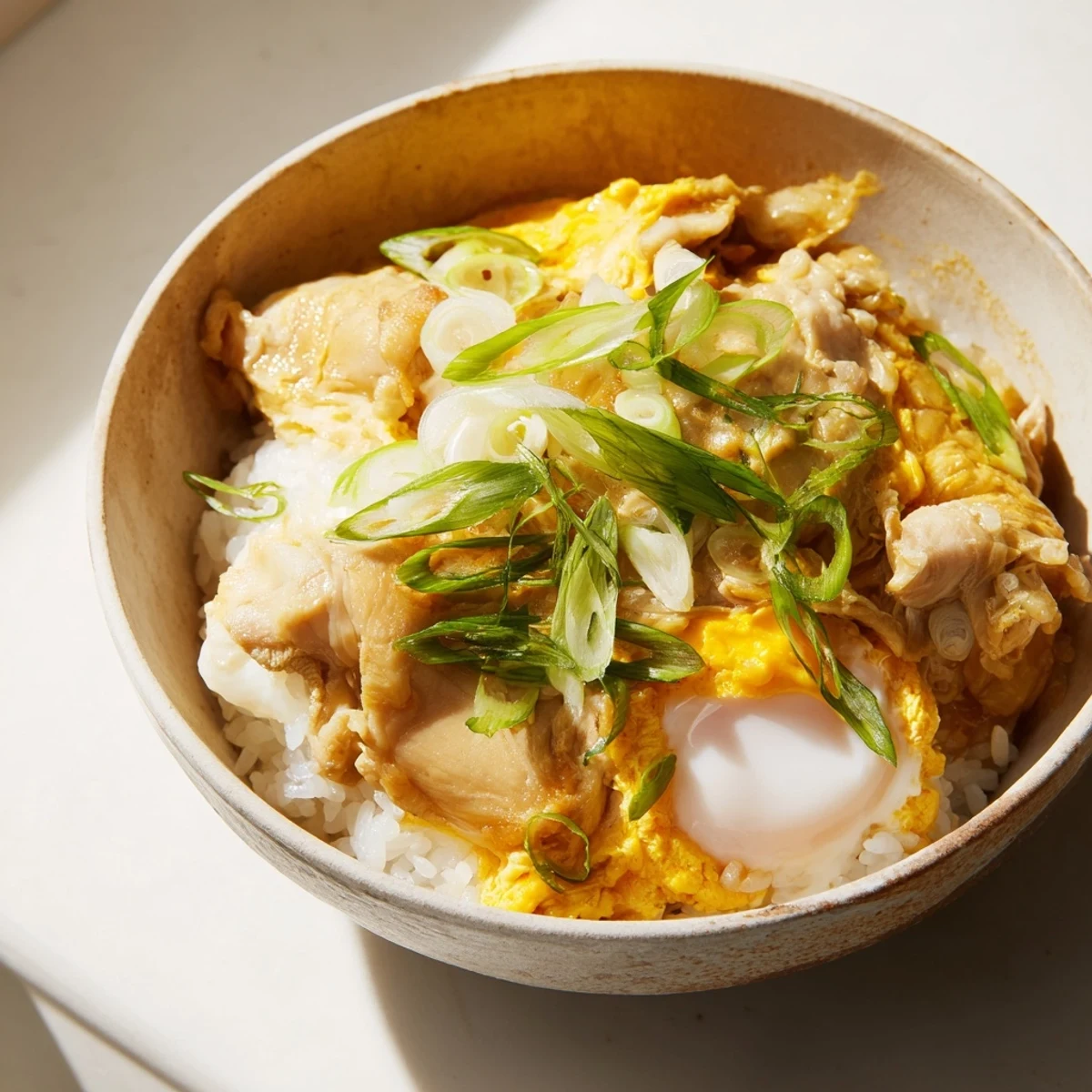
Save That friend who first tasted my attempts still requests this whenever she visits, and weve developed this ritual of eating in comfortable silence, just letting the food do its work. Some recipes are about technique, but this one is about comfort served in a bowl.
Getting The Texture Right
The magic lies in that barely set egg texture—somewhere between a sauce and a custard. Ive learned the hard way that whisking the eggs too much incorporates too much air, making them foam oddly when they hit the hot sauce. A gentle fork mix creates that perfect creamy consistency.
Rice That Absorbs
The rice underneath matters more than people think. Freshly cooked short grain rice has enough starch to absorb all that precious sauce without turning mushy. Day old rice just sits there refusing to mingle with the flavors.
Timing Is Everything
Have your rice ready and bowls waiting before you start the eggs. Those final two minutes of egg cooking go fast, and you want to slide the mixture over rice while its at its absolute peak.
- Warm your serving bowls first so the rice stays hot longer
- Keep some extra dashi nearby in case the sauce reduces too quickly
- Shichimi togarashi adds a lovely warmth if you want to spice things up
 Save
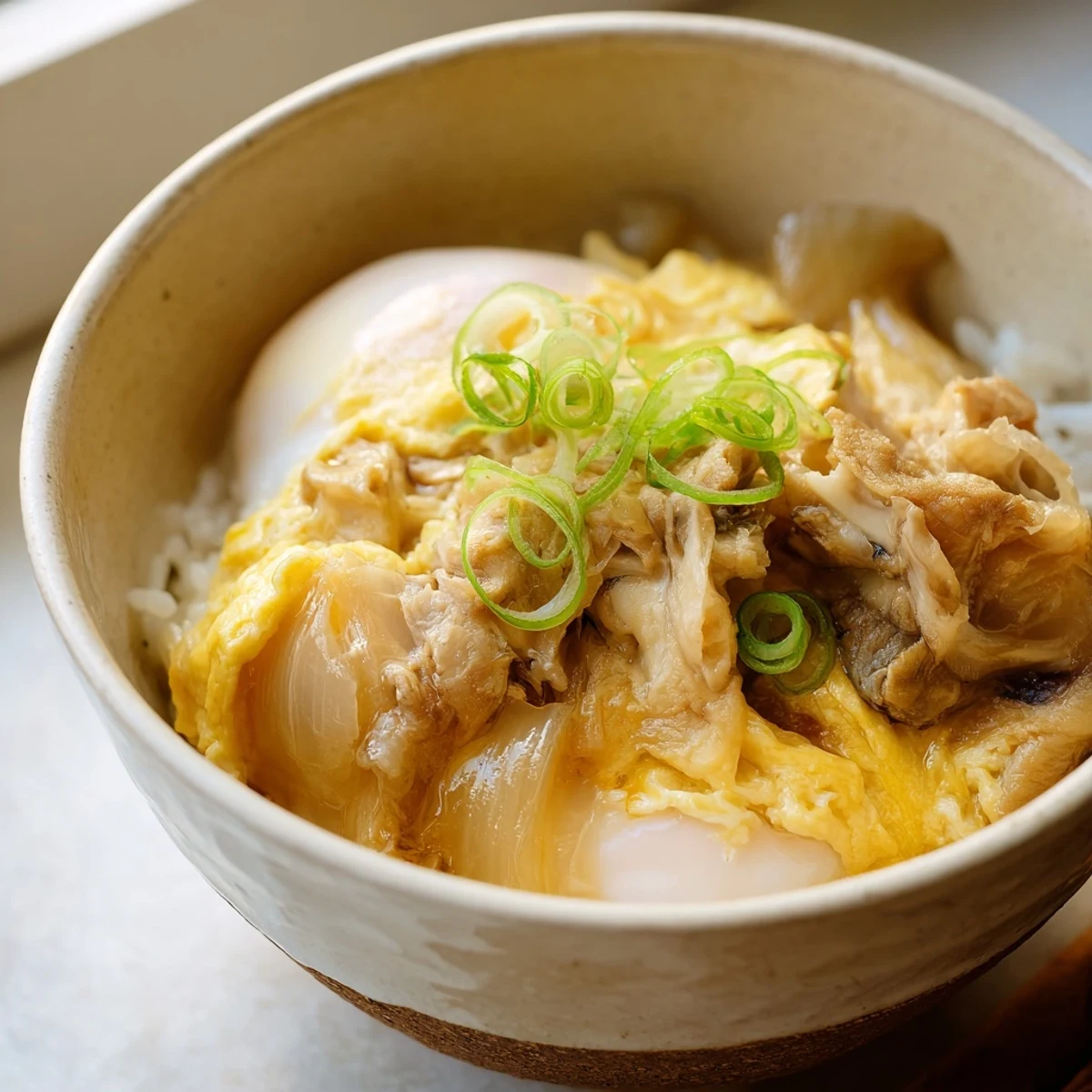
Save This is the kind of recipe that turns cooking into self care. Simple, honest food that somehow makes everything feel a little more manageable.
Common Questions
- → What does oyakodon mean?
-
Oyakodon literally translates to "parent-and-child rice bowl" in Japanese. The name refers to the combination of chicken (the parent) and eggs (the child) served together over rice in the same dish.
- → Can I use dashi substitute?
-
Yes, you can replace dashi stock with low-sodium chicken broth or vegetable stock. While dashi provides the traditional umami depth, chicken broth works well as a readily available alternative that still delivers rich flavor.
- → Why are my eggs overcooked?
-
The eggs continue cooking from residual heat after removing the pan. For perfectly silky eggs, remove from heat when they still appear slightly runny on top—they'll finish setting to the ideal creamy consistency as you transfer them to the rice.
- → Is chicken thigh or breast better?
-
Chicken thighs are traditionally preferred for their juiciness and richer flavor, which stands up well to the simmering sauce. However, chicken breast works perfectly fine if you prefer leaner meat—just reduce simmering time slightly to prevent drying.
- → Can I make this gluten-free?
-
Absolutely. Simply use tamari or a certified gluten-free soy sauce instead of regular soy sauce, and verify that your mirin and sake are gluten-free. The rest of the ingredients naturally contain no gluten.