
 Save
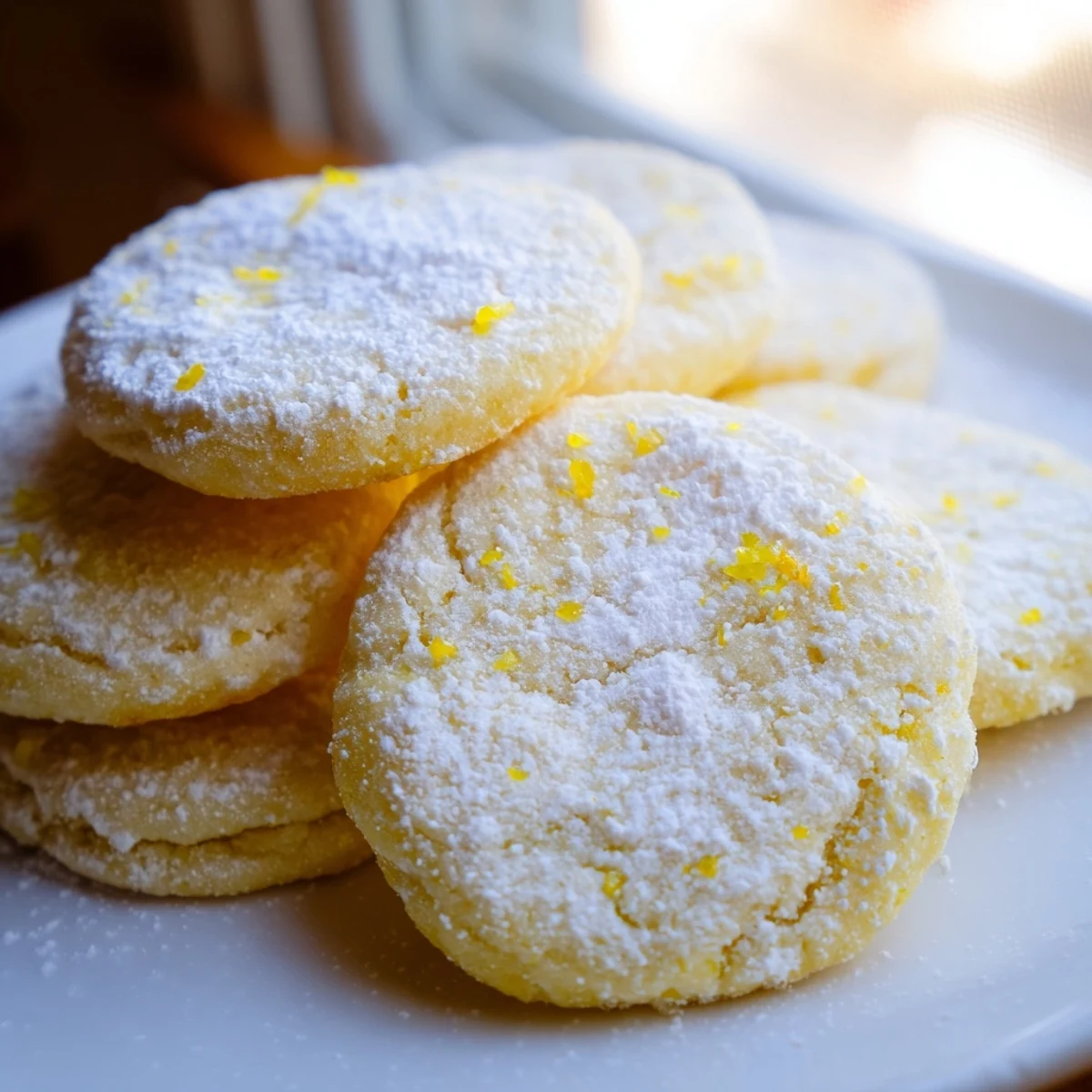
Save These delicate lemon meltaways combine buttery tenderness with bright citrus notes for an irresistibly light treat. The dough comes together quickly with pantry staples, then chills for easy slicing. Baking yields barely golden edges while centers remain soft.
Once warm from the oven, a generous coating of powdered sugar creates that signature meltaway texture—the confectioners' sweetness dissolves into the buttery crumb. The result? Zesty cookies that truly live up to their name.
Perfect alongside afternoon tea or as a refined finish to dinner. The recipe yields thirty cookies, ideal for sharing or storing for week-long enjoyment.
The lemon tree in my grandmother backyard produced fruit with such intensity that you could smell them through the kitchen window. She would press a warm lemon into my hands and say this is what sunshine tastes like. Those meltaway cookies became our afternoon ritual, especially on rainy days when we needed something bright to hold onto. I have been chasing that particular kind of lemon magic ever since.
My neighbor Sarah stopped by last spring right when I was pulling a batch from the oven. She stood in the doorway breathing in the lemon butter scent and told me her mother used to make something similar but she could never get the recipe quite right. We sat at the kitchen table with warm cookies and tea while I wrote down every detail. Now she makes them every Sunday morning.
Ingredients
- Unsalted butter: The foundation of everything tender and good. Room temperature butter incorporates air and creates that meltaway texture that defines these cookies
- Powdered sugar: Dissolves completely into the dough unlike granulated sugar, creating that smooth almost fudgy texture
- Lemon juice and zest: Fresh is absolutely not negotiable here. The zest carries the essential oils while the juice provides the bright acid
- Vanilla extract: A half teaspoon bridges the gap between citrus and butter, making everything taste more complete
- Cornstarch: This is the secret ingredient for shortbread style cookies. It inhibits gluten development and creates the most tender crumb imaginable
- All purpose flour: Provides just enough structure to hold everything together while still remaining delicate
Instructions
- Whisk together the butter and sugar:
- Beat until the mixture looks pale and aerated, about two full minutes. You are building the foundation for that cloud like texture.
- Infuse with lemon:
- Pour in the fresh lemon juice, scatter the zest, and add the vanilla. Mix until you can see the zest evenly distributed throughout.
- Combine the dry ingredients:
- Whisk the flour, cornstarch, and salt together in a separate bowl. This prevents overmixing later which could make the cookies tough.
- Form the dough:
- Add the dry ingredients to the butter mixture and stir until just combined. The dough will be soft and slightly sticky.
- Chill the logs:
- Divide the dough in half and roll each portion into a log. Wrap tightly and refrigerate for at least thirty minutes.
- Slice and bake:
- Cut the chilled logs into quarter inch rounds. Bake at 350 degrees until the edges are barely turning golden, about ten to twelve minutes.
- Dust with sugar:
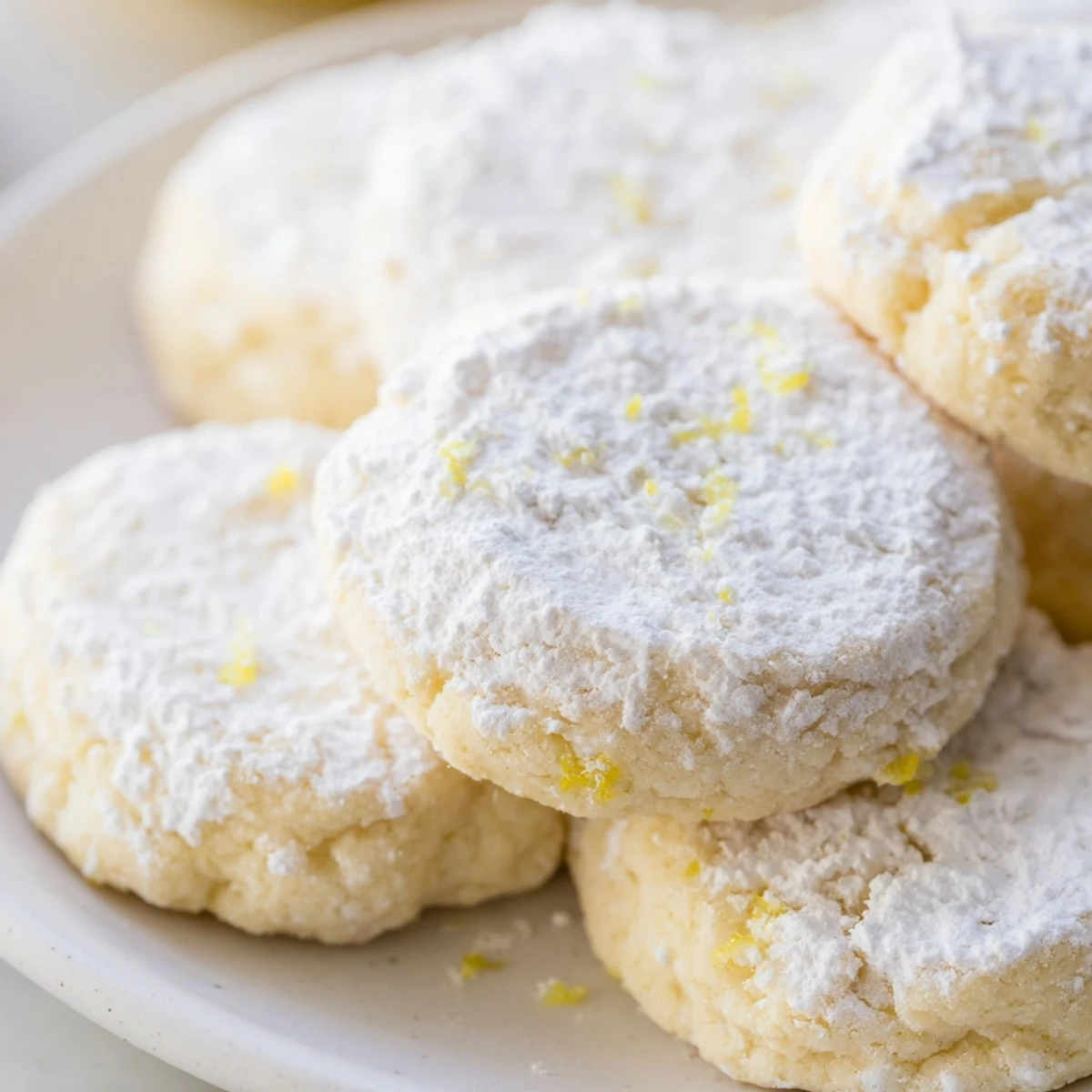
- While still warm, gently toss each cookie in powdered sugar. The slight residual moisture helps the sugar adhere beautifully.
 Save
Save Last summer my daughter helped me make these for her kindergarten teacher. She took such care rolling the dough logs and insisted they be perfectly round. The teacher sent a note saying they were the best cookies she had ever tasted.
Working With Citrus
Zest your lemons before you juice them. It is nearly impossible to zest a lemon that has already been squeezed. Use a microplane if you have one or the finest holes on your box grater. Avoid the white pith underneath as it can make your cookies bitter.
Understanding the Chill Time
That thirty minutes in the refrigerator does more than just firm up the dough. It gives the flour time to fully hydrate and allows the lemon flavor to permeate every bite. You can even chill the logs overnight and bake them the next day for an even deeper flavor.
Storage and Serving
These cookies actually improve after a day or two in an airtight container. The powdered sugar melts slightly into the surface creating a frosted appearance. They are perfect alongside a cup of Earl Grey or as a light finish to a rich dinner.
- Place a piece of parchment paper between layers if you stack them
- Bring them to room temperature before serving for the best texture
- The lemon flavor becomes more pronounced on the second day
 Save
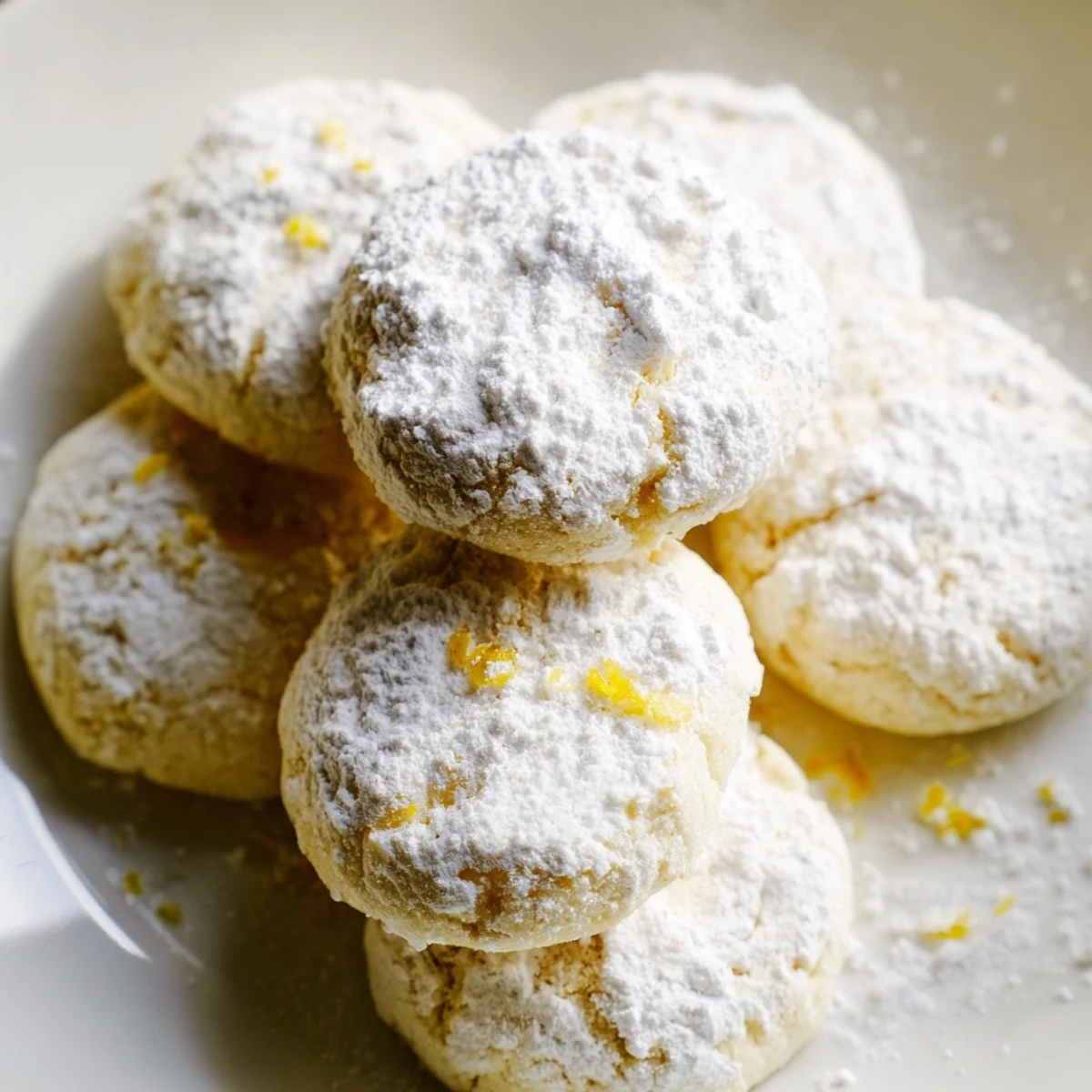
Save There is something deeply satisfying about a cookie that lives up to its name. These really do melt away, leaving behind nothing but lemon sunshine and the urge to reach for just one more.
Common Questions
- → Why do these cookies melt in your mouth?
-
The combination of butter, cornstarch, and powdered sugar creates an exceptionally tender crumb structure. Cornstarch softens the flour's proteins while powdered sugar dissolves more readily than granulated, giving that signature meltaway texture.
- → Can I skip the chilling time?
-
Chilling is essential for clean slicing. Without it, the soft dough spreads too much during baking and loses its shape. Thirty minutes minimum ensures the logs hold their rounds when cut.
- → How do I get stronger lemon flavor?
-
Increase lemon zest by one tablespoon and add an extra teaspoon of juice. Zest carries the essential oils where most citrus flavor lives. Avoid adding more juice, which can make the dough too soft.
- → Why coat while warm versus cooled?
-
Warm cookies hold powdered sugar more effectively as slight residual moisture helps the coating adhere. The sugar also begins dissolving into the surface, creating that meltaway effect.
- → Can I make these with other citrus?
-
Orange and lime work beautifully following the same ratios. Lime creates a tangier finish, while orange yields a sweeter, more floral note. Adjust zest quantities to taste—orange peels are larger, so one medium orange typically provides sufficient zest.
- → Why does the dough seem crumbly before chilling?
-
This is normal. The butter softens during chilling, allowing the dough to cohere. If it's too crumbly to roll, let it sit at room temperature for five minutes before shaping into logs.