
 Save
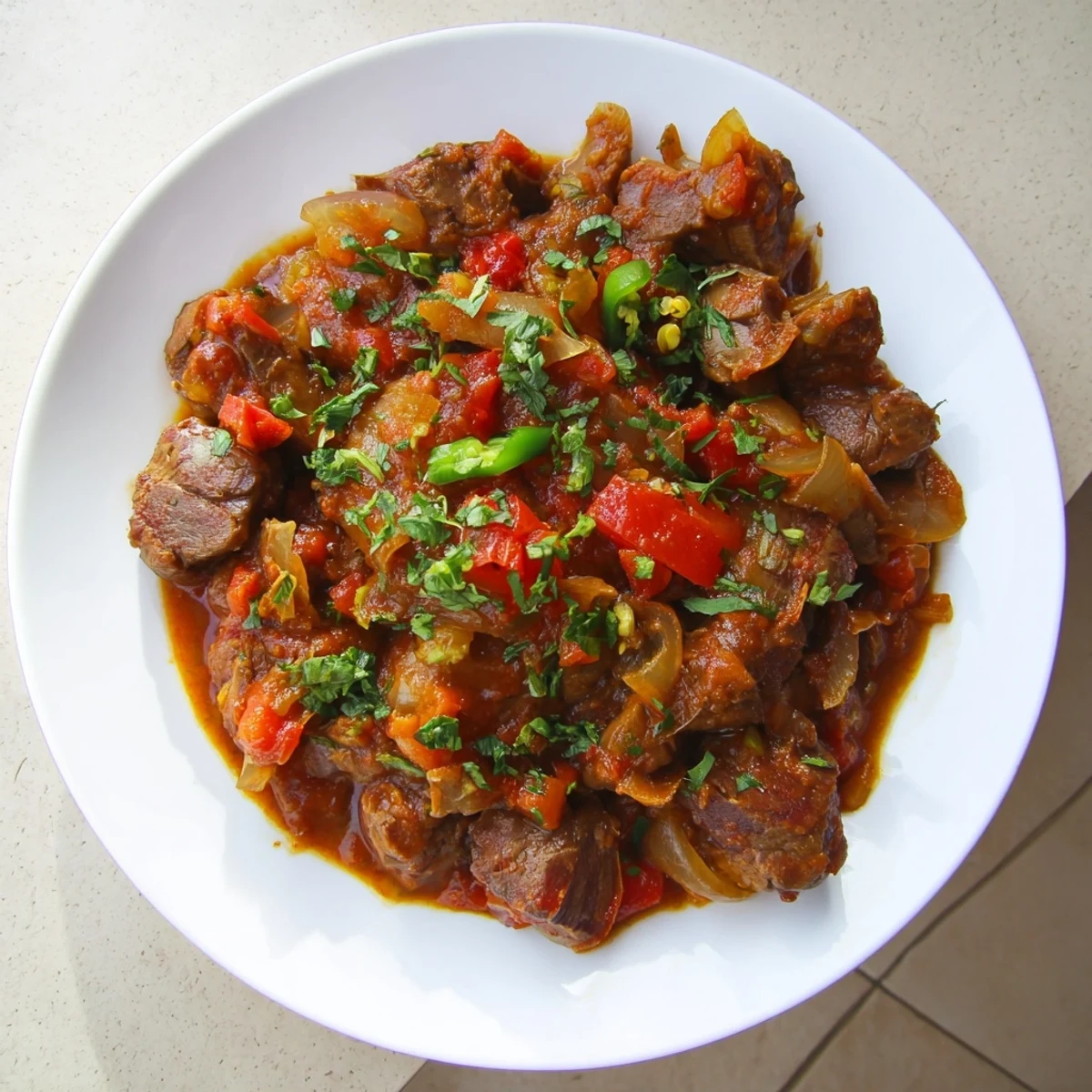
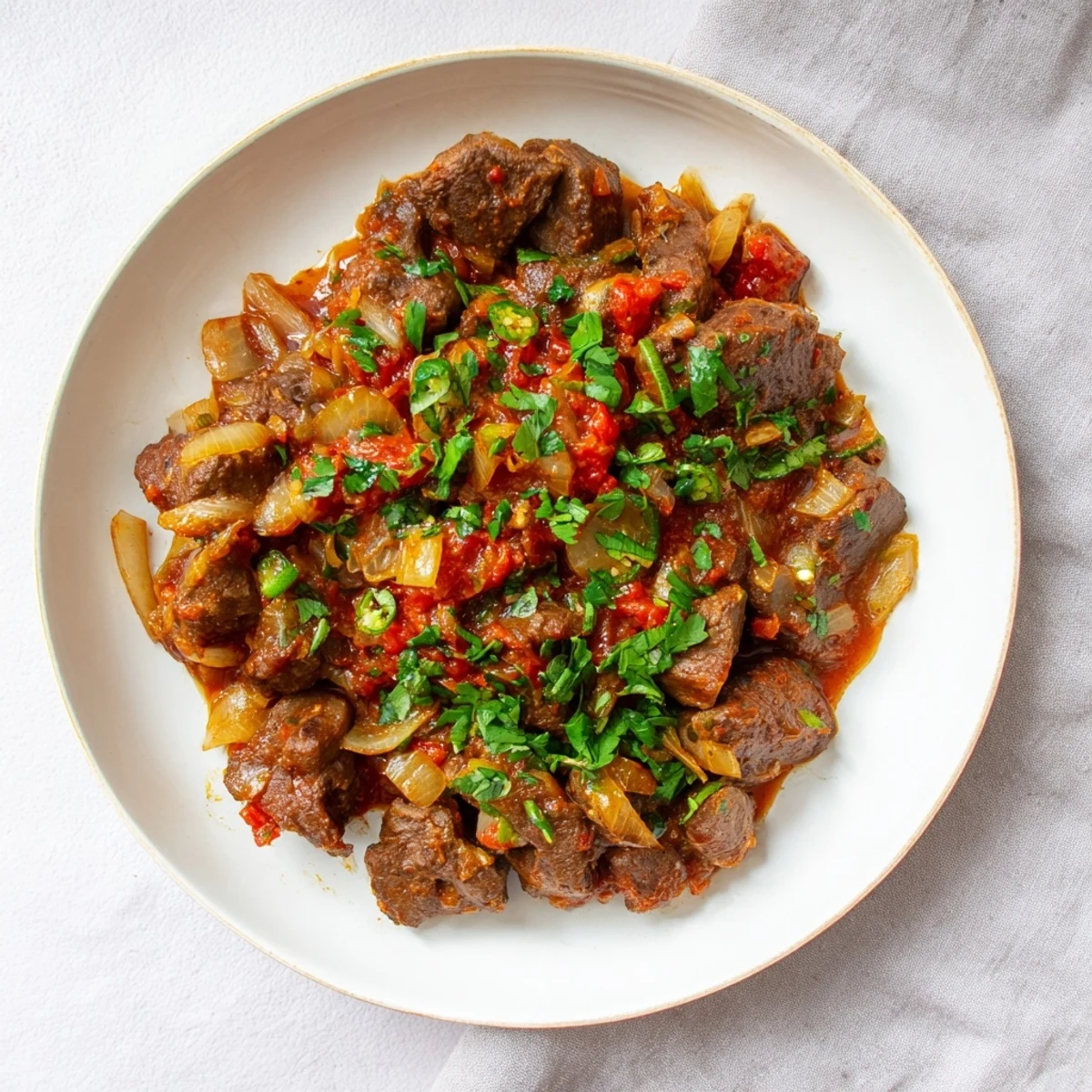
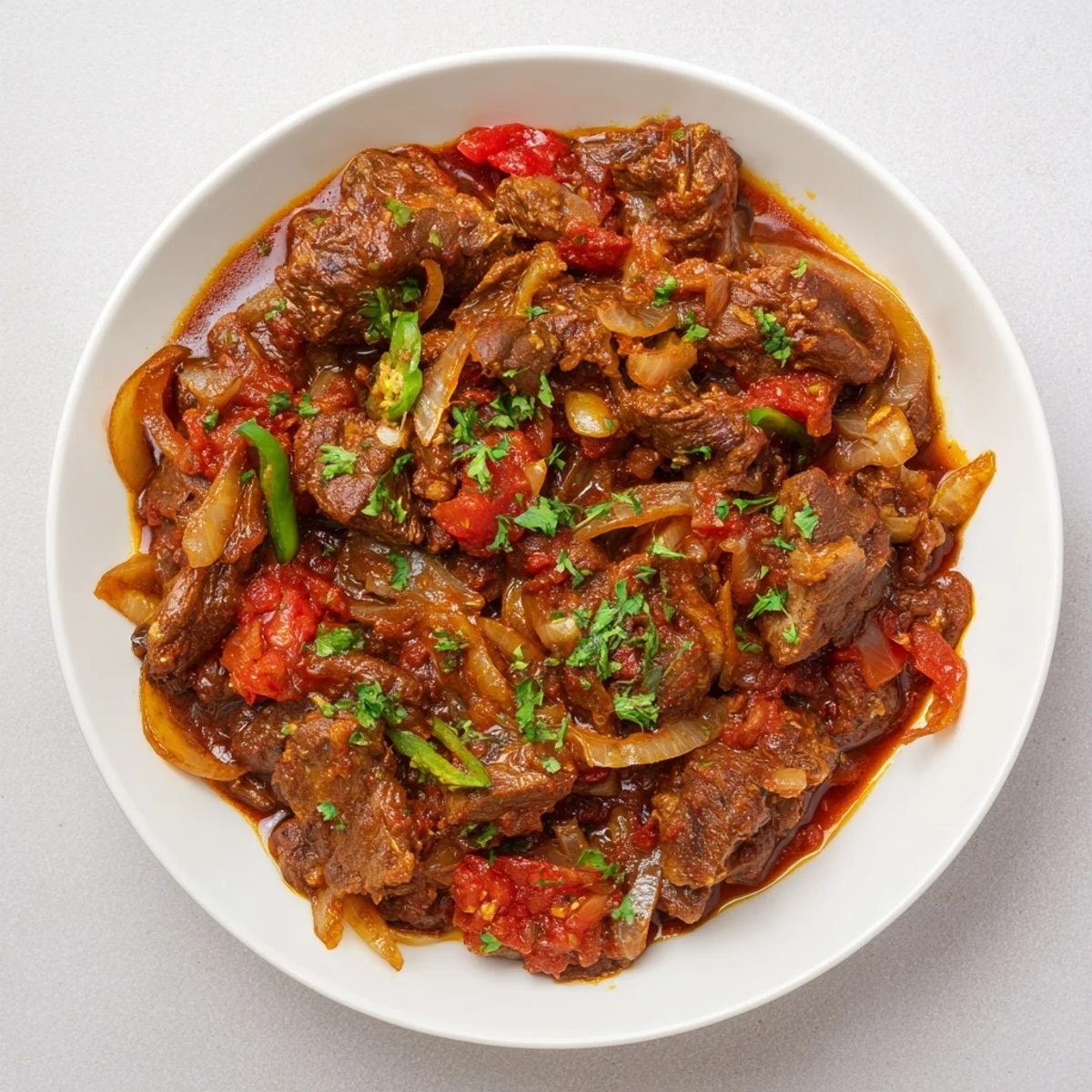
Save This beloved Kenyan dish transforms goat meat into a tender, aromatic delight through slow simmering and vibrant spices. The meat is first boiled with aromatics until tender, then stir-fried with golden onions, fresh tomatoes, and a blend of coriander, paprika, and turmeric. The result is a beautifully glossy, richly flavored coating that clings to each bite-sized piece.
Perfect for pairing with traditional ugali, rice, or chapati, this wet fry delivers layers of flavor from the slow-cooked onions and carefully balanced spice blend. Fresh coriander adds brightness, while green chilies bring adjustable heat to complete this satisfying main dish.
The first time I encountered goat wet fry was at a bustling Nairobi street joint, where the scent of caramelized onions and toasted spices pulled me in before I even saw the food. The cook moved with such practiced ease, tending to multiple pans while chatting with regulars, and that glossy, fragrant goat meat arrived steaming hot beside a mound of fresh ugali. One bite and I understood why this dish earns such devotion throughout Kenya. recreating it in my own kitchen took some trial and error, but now it has become one of those recipes I turn to when I want something deeply satisfying.
Last month, I made a double batch for a small dinner gathering, and even the skeptics who claimed they did not care for goat meat went back for seconds. My friend Sarah actually asked if she could take some home for lunch the next day, which is the highest compliment I can imagine. Something about this dish brings people together, maybe because it feels so honest and unpretentious.
Ingredients
- 1 kg goat meat: Choose pieces with some fat for the most succulent result, and ask your butcher to cut them into uniform bite-sized chunks
- 2 large onions: Finely sliced so they melt down into that sweet, caramelized base that gives the dish its depth
- 3 medium tomatoes: Ripe ones will break down beautifully and help create that signature glossy finish
- 2 cloves garlic and 1 thumb-sized piece ginger: Freshly minced adds an aromatic punch that dried spices cannot replicate
- 2–3 green chilies: Adjust based on your heat preference, but include at least one for that authentic Kenyan kick
- ½ bunch fresh coriander: Stirred in at the end, this adds a bright, herbal freshness that cuts through the richness
- 3 tbsp vegetable oil: A neutral oil with a high smoke point works best for achieving those golden brown onions
- 1 tsp each of salt, black pepper, paprika, and ground coriander: This spice blend creates layers of warmth without overpowering the natural meat flavor
- ½ tsp turmeric powder: Optional, but adds a gorgeous golden hue and subtle earthiness
- 200 ml water: Just enough to tenderize the meat during the initial simmering stage
Instructions
- Start with the goat meat:
- Place the rinsed meat in a large saucepan with half the onions, garlic, ginger, and half the salt. Add just enough water to cover and bring to a boil, then reduce heat and simmer covered for 25 to 30 minutes until tender and most liquid has absorbed.
- Caramelize the onions:
- Heat the oil in a heavy-bottomed pan over medium-high heat and cook the remaining onions until they turn a deep golden brown, stirring occasionally to prevent burning.
- Build the sauce base:
- Add the tomatoes and green chilies, sautéing until the tomatoes break down completely and the mixture thickens into a fragrant, rich base.
- Combine and coat:
- Add the cooked goat meat along with any remaining pan juices, then stir in the paprika, ground coriander, black pepper, turmeric, and remaining salt. Cook uncovered for 10 to 15 minutes, stirring frequently until the sauce coats each piece in a glossy, wet consistency.
- Finish and serve:
- Taste and adjust the seasoning as needed, then stir in the fresh coriander and cook for just 1 to 2 more minutes before serving hot alongside ugali, rice, or chapati.
 Save
Save This recipe has become my go-to when friends visit and I want to serve something that feels special without being fussy. There is something deeply comforting about standing over the pan, inhaling those caramelized aromas, and knowing that I am carrying forward a tradition that has fed families for generations.
Making It Your Own
If you cannot find goat meat, beef or lamb work beautifully, though the cooking time may need slight adjustment. I have even made this with chicken thighs when I needed a quicker version, and while the flavor profile shifts slightly, the technique remains just as satisfying.
The Perfect Side Pairings
Ugali is the traditional choice for good reason, its mild creaminess providing the perfect canvas for those bold spices. But I have also served this over fluffy white rice or wrapped in warm chapati, each option offering a slightly different but equally delicious experience.
Timing Your Meal
This dish tastes best immediately, but the flavors actually deepen if you let it rest for about 10 minutes before serving. I like to have everything else ready so the wet fry can take center stage straight from the pan.
- Set the table and prepare your sides before starting the final cooking stage
- Keep some fresh coriander aside for garnish if you want that extra pop of green
- Have your water or wine poured so you can sit down and enjoy the food while it is at its absolute best
 Save
Save Every time I make this, I am transported back to that little street corner in Nairobi, where a simple plate of food taught me that the best recipes are the ones passed down through hands and hearts.
Common Questions
- → What cut of goat meat works best?
-
Choose tender cuts from the leg or shoulder, cut into uniform bite-sized pieces. Younger goat meat yields more tender results, while older animals benefit from longer simmering times.
- → Can I make this dish less spicy?
-
Absolutely. Reduce or omit the green chilies entirely. The aromatic spices like coriander, paprika, and turmeric provide flavor without significant heat, allowing you to control the spice level.
- → What makes the sauce glossy and thick?
-
The natural juices from the meat combined with slow-cooked onions and tomatoes create a rich, emulsified sauce. Cooking uncovered in the final stage allows excess liquid to evaporate while concentrating flavors.
- → How do I know when the meat is properly tender?
-
Test by piercing with a fork—it should slide in easily with no resistance. The meat should also pull apart slightly. Simmering time may vary from 25-40 minutes depending on meat quality and cut.
- → What traditional sides complement this dish?
-
Ugali (maize porridge) is the classic pairing, absorbing the flavorful sauce. Rice, chapati, or even roasted vegetables work beautifully. A light, fruity red wine or cold beer balances the rich flavors.