
 Save
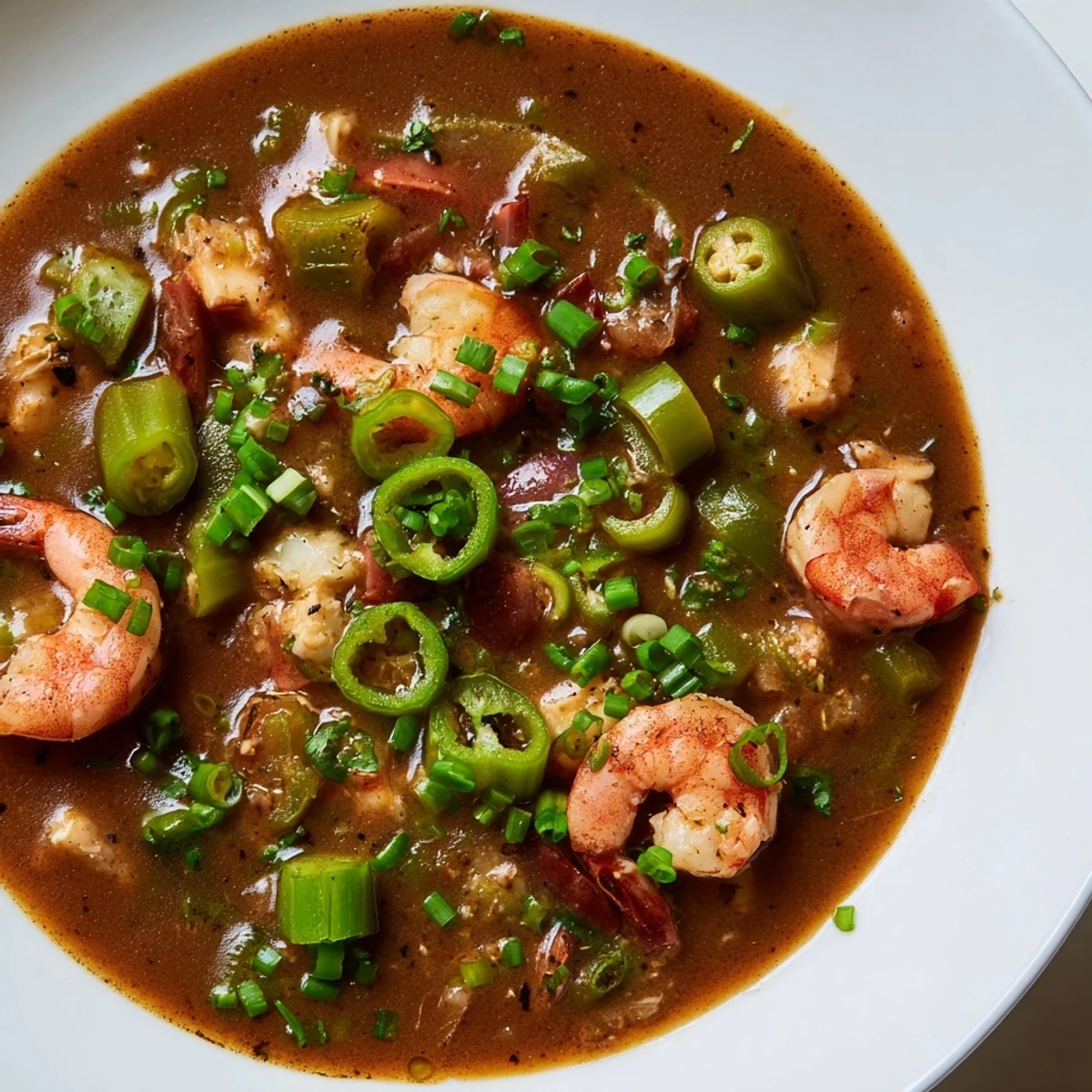
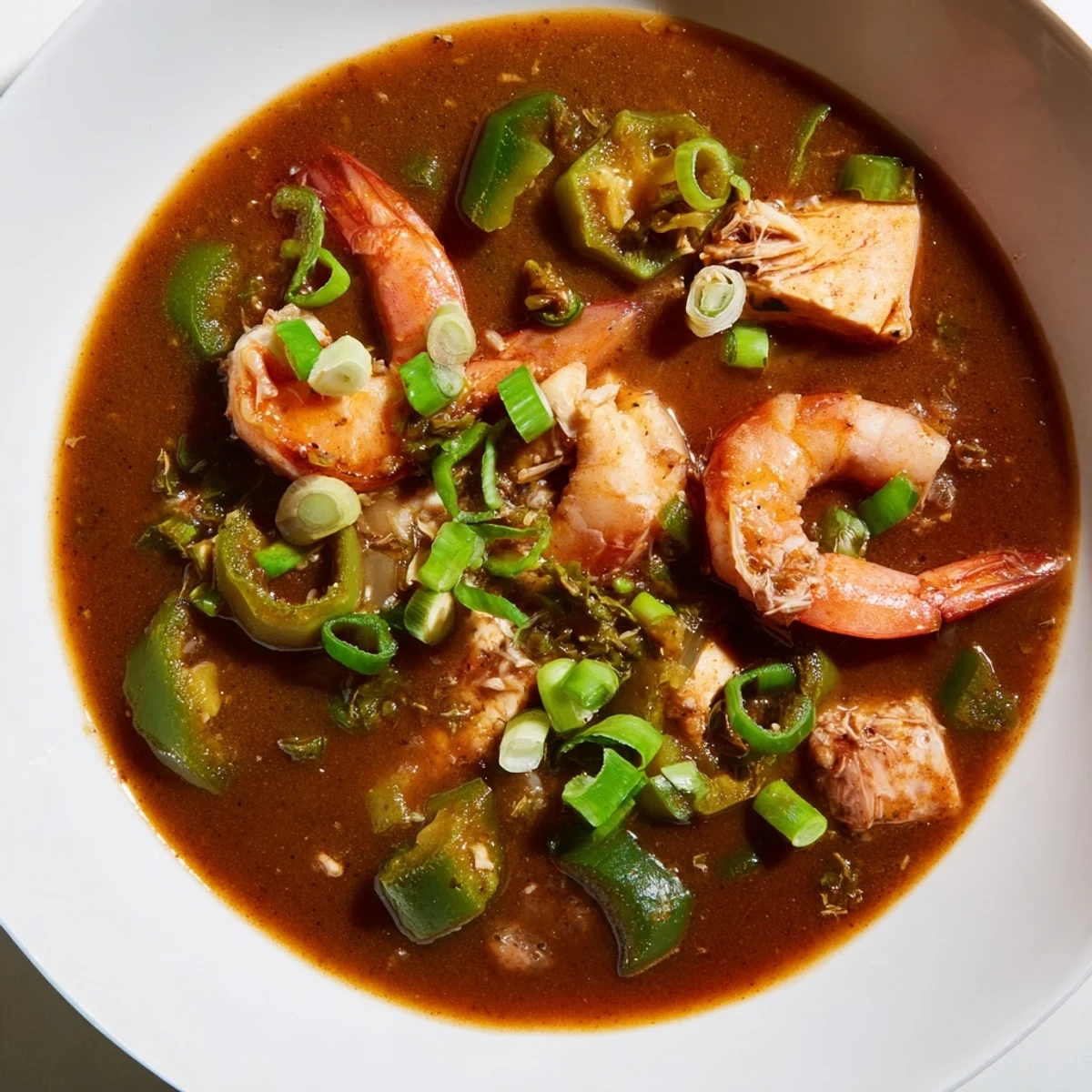
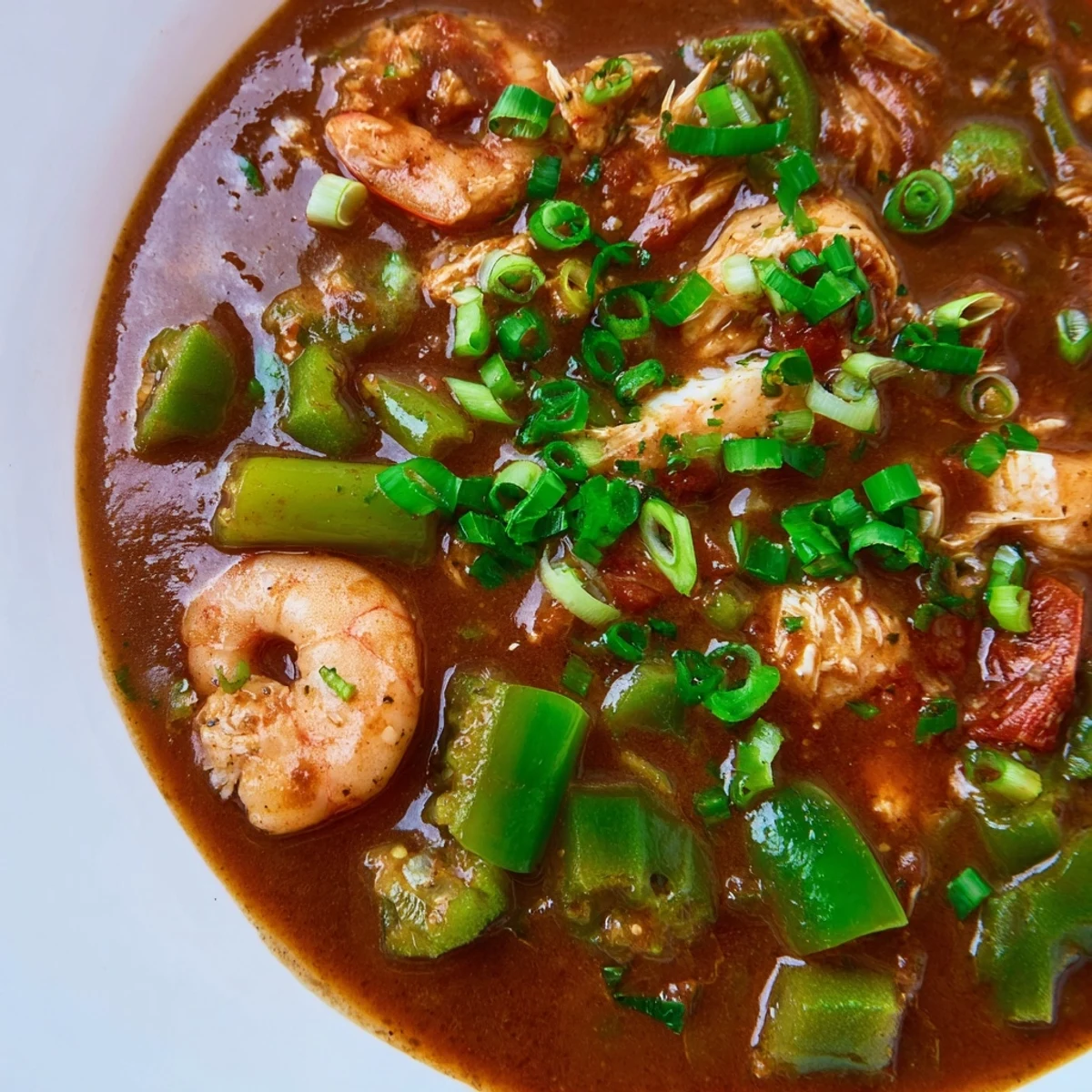
Save This Creole seafood gumbo features a deep, chocolate brown roux simmered with onions, bell pepper, celery, and garlic. Smoky andouille sausage adds robust flavor before fresh okra, seafood stock, and a medley of spices infuse the broth. Tender chunks of fish, shrimp, and lump crabmeat are gently cooked into the gumbo, bringing layers of texture and taste. Served hot over white rice and garnished with green onions and parsley, the dish delivers the authentic warmth and spirit of Louisiana’s bayou cooking.
The first time I attempted a proper roux, I nearly set off my smoke detector and ended up with something that looked more like asphalt than the foundation of a good gumbo. My neighbor Mrs. Landry, who grew up outside New Orleans, laughed and told me that perfecting a dark roux takes patience and a willingness to stir until your arm aches. Now I understand why she said the roux is where the soul lives.
Last Mardi Gras, I made this for friends who had never tasted real gumbo before. Watching them go quiet after that first spoonful, then immediately reach for seconds, reminded me why this dish deserves its legendary reputation. The way the flavors build on each other is pure magic.
Ingredients
- 1 lb large shrimp: Peeled and deveined, these sweet pink gems cook quickly so add them last to keep them tender.
- 1 lb lump crabmeat: Pick through carefully for shell fragments, the sweet meat deserves to shine without any crunch surprises.
- 1 lb firm white fish: Snapper or catfish work beautifully, cut into generous chunks that hold together during simmering.
- 2 cups sliced okra: Fresh pods sliced into half-inch rounds naturally thicken the gumbo while adding wonderful texture.
- 1 large onion, 1 green bell pepper, 2 celery stalks: This holy trinity forms the aromatic backbone of Creole cooking.
- 4 garlic cloves, minced: Add these after the vegetables have softened so they do not turn bitter.
- 1 can diced tomatoes: Include all the juices for acidity that cuts through the rich roux.
- 8 oz andouille sausage: Smoky and spicy, this adds the essential background heat and depth.
- 1/2 cup vegetable oil and 1/2 cup flour: Equal parts fat and flour create that dark roux that takes about 20 minutes of constant stirring.
- 6 cups seafood stock: Homemade stock brings the best flavor but a good quality store-bought version works perfectly well.
- 2 bay leaves: These humble leaves add subtle herbal notes throughout the long simmer.
- 1 tsp each Worcestershire and hot sauce: Umami and heat that layer in the background without overwhelming.
- 2 tsp Creole seasoning: This blend brings the classic Cajun spice profile, adjust the amount to your heat tolerance.
- 1/2 tsp dried thyme: Earthy and floral, thyme bridges the gap between the seafood and spices.
- 1/2 tsp cayenne pepper: Adds backbone heat that builds slowly as the gumbo simmers.
- Cooked white rice: The traditional base that soaks up all that incredible flavorful broth.
Instructions
- Make the dark roux:
- Heat the oil in your heavy pot over medium heat, then gradually whisk in the flour until smooth. Stir constantly and patiently for 15 to 20 minutes until the roux turns the color of dark chocolate, smelling deeply nutty and toasted.
- Cook the holy trinity:
- Add the onion, bell pepper, and celery to the hot roux, stirring for 5 minutes until softened. Toss in the garlic and stir for another minute until fragrant.
- Add the sausage and spices:
- Stir in the sliced andouille and let it cook for 3 minutes to release its smoky oils. Pour in the tomatoes with their juices, the okra, stock, bay leaves, Worcestershire, hot sauce, Creole seasoning, thyme, and cayenne.
- Simmer the base:
- Bring everything to a boil, then reduce heat and let it simmer uncovered for 30 minutes. The okra will release its natural thickeners and the flavors will meld together beautifully.
- Add the fish:
- Gently slip in the fish chunks and simmer for 5 minutes until just opaque. Carefully fold in the shrimp and crabmeat and cook for 3 to 4 more minutes until the shrimp turn pink.
- Finish and serve:
- Taste and adjust the salt and pepper as needed. Fish out the bay leaves and ladle the gumbo hot over bowls of white rice, sprinkling green onions and parsley on top.
 Save
Save My father-in-law, who spent years working in Louisiana, took one bite of this version and quietly said it reminded him of Friday nights in Baton Rouge. That quiet compliment meant more than any enthusiastic praise ever could.
Making Ahead
The gumbo base without the seafood can be made up to two days ahead and refrigerated. This actually improves the flavor as the roux continues to meld with the vegetables and spices. When ready to serve, gently reheat and add the seafood in the final minutes.
Stock Secrets
Homemade seafood stock made from shrimp shells and fish heads creates incredible depth, but do not let that stop you from making this recipe tonight. A good quality store-bought seafood or even chicken stock will still produce a delicious result. Simmer shells in water for 30 minutes with onion and celery for an easy homemade option.
Roux Mastery
The roux intimidates many cooks, but it is simply flour and fat cooked slowly until it darkens. Constant stirring prevents burning and ensures even color development. Medium heat gives you the most control over the process.
- Use a light-colored pot so you can accurately judge the rouxs color as it browns.
- If you smell acrid or burnt notes at any point, start over, there is no saving a burnt roux.
- Whisking vigorously when first adding the flour prevents any lumps from forming.
 Save
Save A steaming bowl of this gumbo on a cold night feels like a warm embrace from an old friend. The only problem is that it disappears so quickly.
Common Questions
- → What makes the roux in this dish unique?
-
The roux is cooked to a deep chocolate brown, providing a rich, nutty flavor and thickening the broth for a robust gumbo base.
- → Can I substitute the andouille sausage?
-
Yes, chicken or turkey sausage work well as alternatives, offering a milder smoky taste while maintaining texture.
- → How is okra used in the dish?
-
Fresh okra slices are added during simmering, lending a subtle earthiness and helping to slightly thicken the broth naturally.
- → What seafood varieties are included?
-
The dish includes shrimp, lump crabmeat, and firm white fish such as snapper or catfish for varied textures and flavors.
- → What are suitable accompaniments for this dish?
-
Cooked white rice is traditional, and it pairs nicely with dry white wine or a cold lager to complement the spices.