
 Save
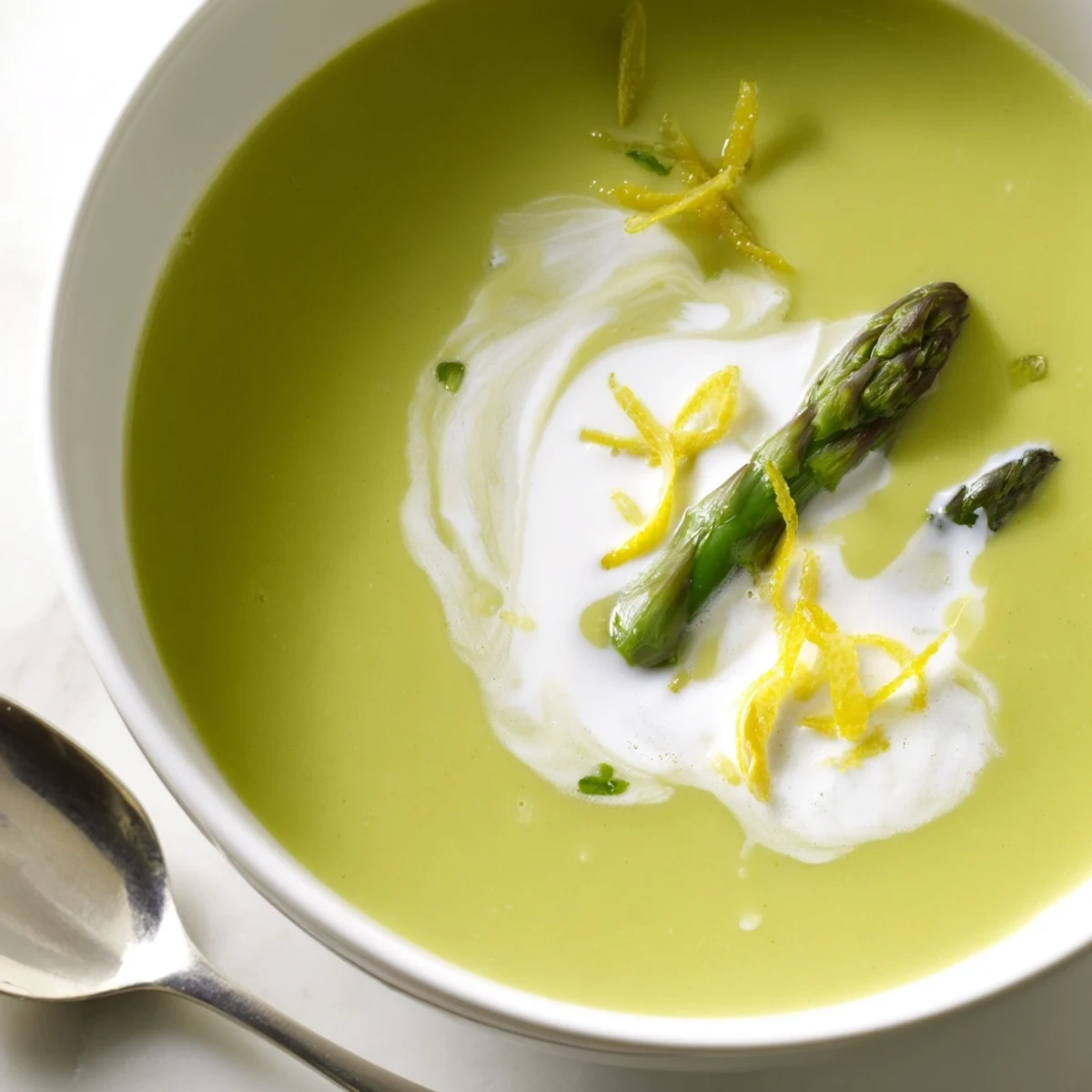
Save This velvety soup combines tender asparagus with fresh lemon zest and juice for a bright flavor. A swirl of crème fraîche adds a luxurious, creamy finish. The recipe is quick and easy, featuring sautéed leeks, shallots, and garlic, then simmered with Yukon Gold potatoes for smooth texture. Ideal for spring or light meals, garnished with asparagus tips and fresh herbs for elegance. Suitable for vegetarian and gluten-free diets, with a vegan option replacing dairy. Pairs wonderfully with crusty bread or a crisp white wine.
There's a moment in early spring when the farmers market suddenly fills with tender green asparagus bundles, and I always find myself reaching for a bunch without much of a plan—just knowing something warm and silky is about to happen in my kitchen. The first time I made a proper asparagus soup, I was trying to impress someone with my French cooking knowledge, and what started as nervous whisking became this unexpectedly forgiving, elegant dish. Now it's the soup I make whenever I want to feel like I've got it together without spending hours at the stove.
I made this for a friend who showed up stressed about something at work, and watching her pause mid-spoonful and actually smile felt like a small win. She asked if it was restaurant-quality, and I realized then that simple doesn't mean plain—it means you've got time to do each step right, and the ingredients get to shine.
Ingredients
- Fresh asparagus (500 g / 1 lb): The whole dish depends on this, so buy the best-looking bunch you can find—thinner spears cook more evenly and taste sweeter than thick ones.
- Leek and shallot: These two are your flavor foundation; the sweetness they develop when sautéed in butter is where the magic starts.
- Yukon Gold potato (1 medium): This isn't just filler—it's what makes the soup naturally creamy without needing excessive cream.
- Garlic (2 cloves): Mince it small so it melts into the butter without any harsh edges.
- Vegetable broth (900 ml / 4 cups): Low-sodium lets you taste the vegetables; high-sodium broth will drown them out.
- Heavy cream (120 ml / ½ cup): This is what gives you that luxurious mouthfeel, but it's the potato doing most of the work.
- Crème fraîche (2 tbsp plus more for serving): The swirl at the end isn't decoration—it's the final, tart-sweet flourish that makes you want another spoonful.
- Butter and olive oil (2 tbsp and 1 tbsp): The combination gives you better browning and prevents the butter from burning.
- Lemon zest and juice: This is non-negotiable; it wakes up every spoonful and prevents the soup from tasting dull or flat.
- Sea salt and black pepper: Taste as you go—a soup's seasoning can shift as it reduces.
- Fresh chives or dill (optional): Herbs at the end feel like a gentle punctuation mark, so don't skip them if you have them.
Instructions
- Start with the aromatics:
- Warm the butter and oil in a large pot over medium heat until the butter is foaming. Add your leek, shallot, and garlic, and let them soften gently for 3–4 minutes—you're coaxing out sweetness here, not browning anything. If the heat feels too aggressive, lower it; gentle is the whole point.
- Add the vegetables:
- Stir in the diced potato and asparagus pieces, setting aside a few tender tips for garnish. Give everything 2 minutes to warm through and mingle with the butter. The potato will start softening at the edges, which is exactly what you want.
- Build the broth:
- Pour in the vegetable broth, turn the heat up slightly, and let it come to a rolling boil. Once it does, reduce to a gentle simmer and leave it uncovered for 15–18 minutes until every vegetable is completely tender and falls apart when you poke it with a spoon.
- Enrich and cool slightly:
- Stir in the heavy cream and take the pot off the heat. Let it cool just long enough that it won't splatter when you blend—about 2–3 minutes is enough.
- Blend to silky:
- Use an immersion blender to purée everything until the soup is completely smooth and almost luminous. Work it until you can't see a single fleck of asparagus or vegetable—you're aiming for restaurant-quality texture. If you're using a regular blender, do this in batches and be careful with the heat.
- Brighten with lemon:
- Stir in the lemon zest first (it will float like tiny flavor bombs), then add the juice gradually while tasting. The lemon is the final adjustment that transforms this from good to unforgettable.
- Season and serve:
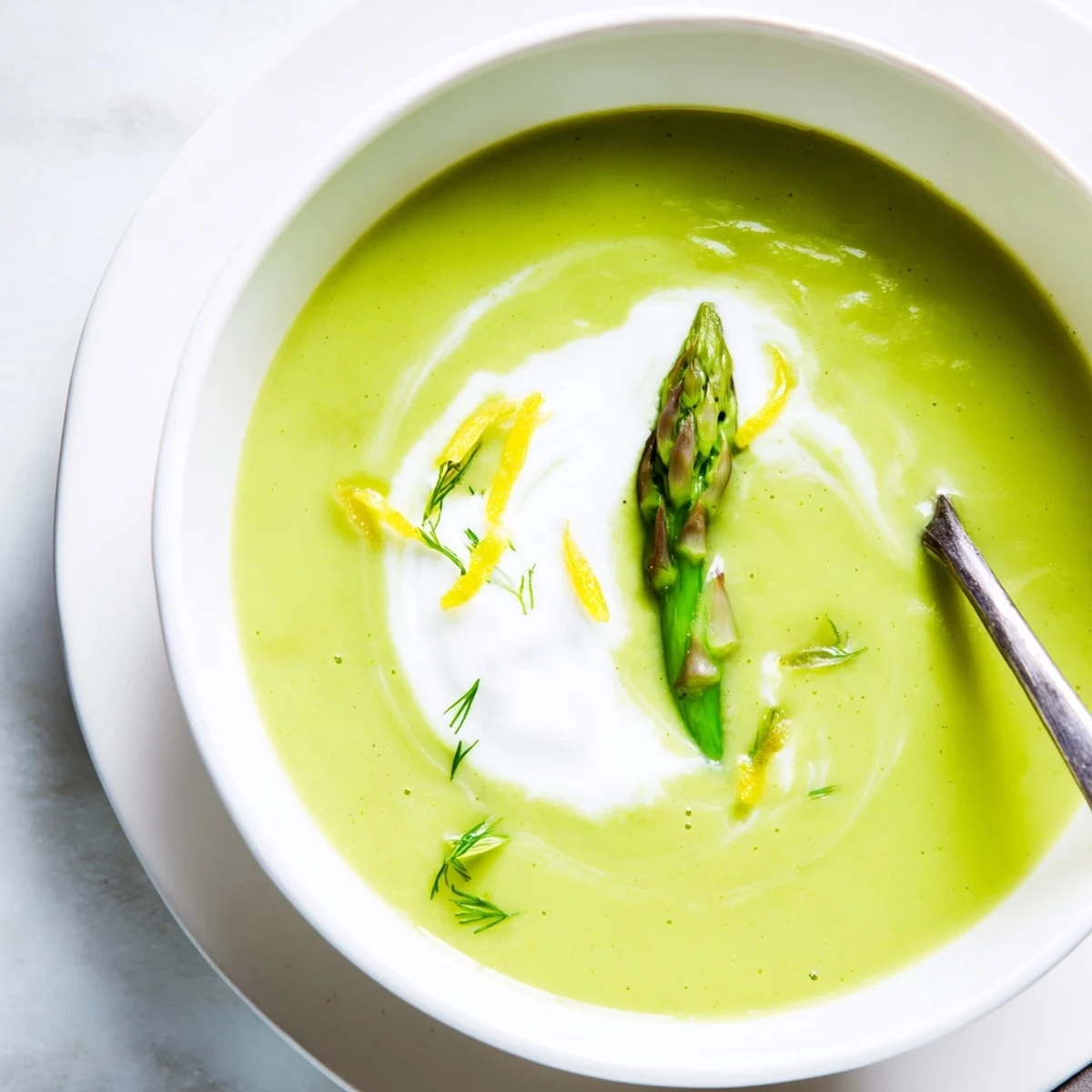
- Taste for salt and pepper, adjust generously, then ladle into bowls. Swirl about ½ tablespoon of crème fraîche into each serving, scatter with reserved asparagus tips and fresh herbs, and serve immediately while it's still steaming.
 Save
Save I once made this soup on a morning when I was running on three hours of sleep, and I let it cool too long before blending, then got impatient and blended it hot anyway—which was a mistake. It taught me that small moments of patience are what make cooking feel less like a chore and more like meditation.
Why This Soup Works Anytime
Spring asparagus is the obvious occasion, but this soup has shown up in my kitchen during off-seasons too, made with frozen asparagus when fresh feels impossible. It never feels out of place—it's the kind of dish that works as a starter before a bigger meal or as the main event with crusty bread and a simple salad. The cooking time is short enough that you can have it on the table before anyone gets too hungry, and the flavors are refined enough that it feels like you've done something meaningful.
The Potato Secret Nobody Talks About
Most people think cream does all the heavy lifting in creamy soups, but the potato is actually your best friend here. It breaks down into the broth and creates a natural, silken body that makes the soup feel indulgent without needing a cup of heavy cream. I learned this accidentally when I once forgot to add potatoes and ended up with something that tasted thin and one-dimensional, even with extra cream. Now I always make sure it's diced small so it cooks through evenly and blends completely.
Making It Your Own
The foundation here is flexible enough to make it feel personal. Some people add a whisper of nutmeg for warmth, others stir in fresh tarragon instead of chives, and I once added a tiny pinch of cayenne because I was in a mood and it turned out to be genius. The lemon and crème fraîche anchor should stay, but everything else is an invitation to play.
- Try swapping the heavy cream for crème fraîche throughout if you want something even lighter and tangier.
- Roast the asparagus tips separately with a little oil and lemon before garnishing for a crispy textural surprise.
- Pair it with a glass of Sauvignon Blanc or Grüner Veltliner to match the bright, clean flavors.
 Save
Save This soup has become the thing I make when I want to remember that good food doesn't need to be complicated. It's proof that paying attention to a few beautiful ingredients and taking your time is enough.
Common Questions
- → What type of asparagus is best for this soup?
-
Fresh green asparagus that is tender and not woody works best. Trimmed and cut into uniform pieces ensures even cooking and smooth purée.
- → Can I substitute crème fraîche?
-
You can use sour cream or yogurt for a similar tang, or coconut cream to keep it vegan, though it will alter the flavor slightly.
- → How do I achieve a smooth texture?
-
Use an immersion blender or a countertop blender to purée the soup until perfectly smooth, ensuring no lumps remain.
- → What garnishes complement this dish?
-
Reserved asparagus tips and finely chopped fresh herbs like chives or dill add color and fresh notes atop the creamy base.
- → Is this suitable for gluten-free diets?
-
Yes, provided the vegetable broth is gluten-free. Always check labels to avoid hidden gluten sources.
- → Can this soup be prepared ahead?
-
Yes, it keeps well refrigerated for up to two days. Reheat gently and add the crème fraîche garnish just before serving.