
 Save
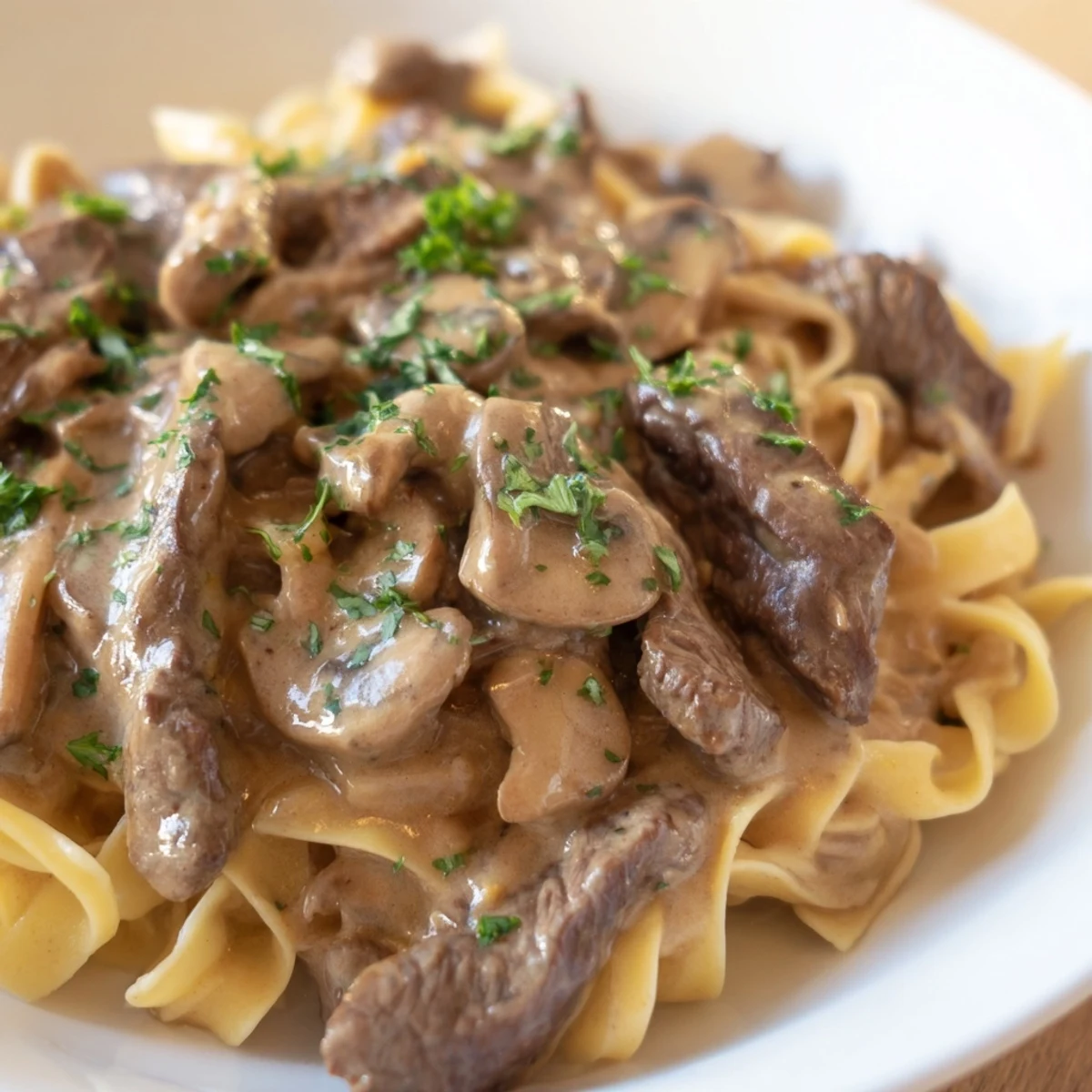
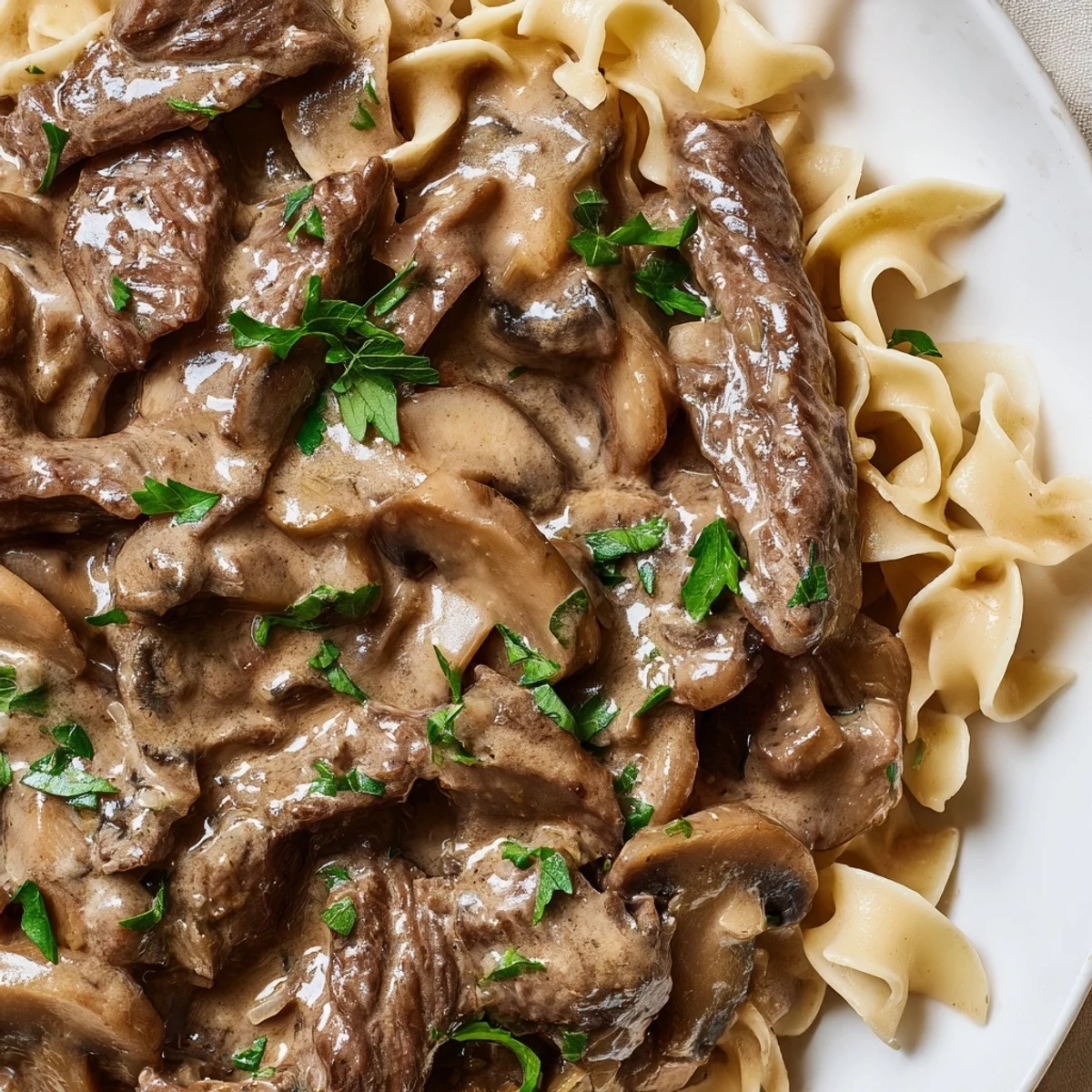
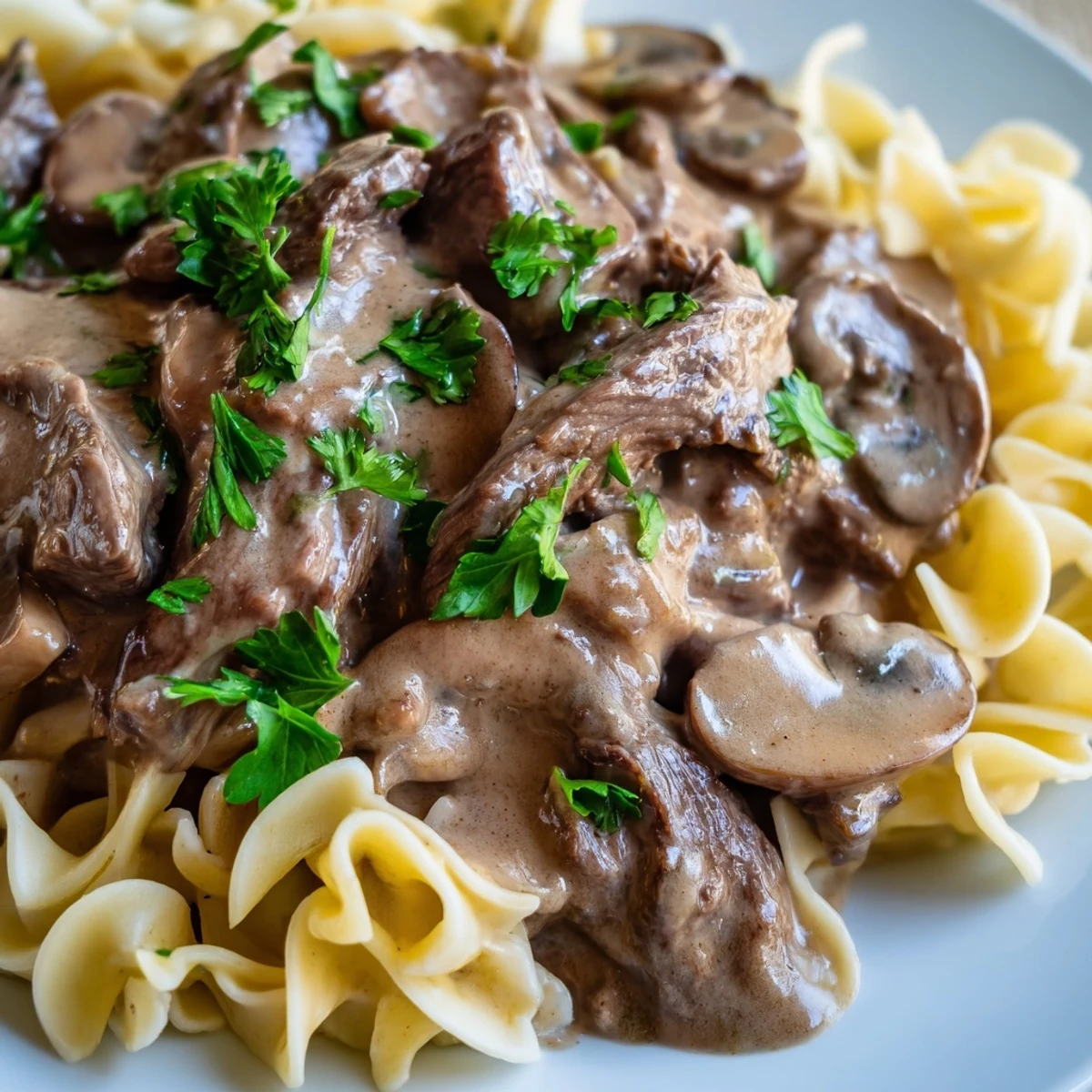
Save This classic dish features tender, thinly sliced beef strips seasoned and seared to perfection, then combined with sautéed mushrooms and onions in a creamy, savory gravy. The sauce blends sour cream, Dijon mustard, and Worcestershire for rich flavor, served warmly over cooked egg noodles. Garnish with fresh parsley for an added touch of freshness. Ideal for a comforting dinner with balanced textures and hearty flavors, this dish captures the essence of Russian-inspired home cooking.
There's something about the way beef stroganoff fills a kitchen with warmth that makes you forget about time. My first attempt was actually a mild disaster—I overcooked the sour cream and ended up with grainy, separated sauce—but that failure taught me everything I needed to know. Now, when I make it, I know the exact moment to turn the heat down, and the result is this silky, savory blanket of comfort that clings to every noodle. It's become one of those dishes I make when someone needs feeding, not just filling.
I'll never forget serving this to my sister after she'd had a brutal day at work. She walked in, caught the smell of sautéed mushrooms and beef, and literally sat down before taking off her coat. We barely spoke while eating, just clinked forks occasionally. That's when I realized stroganoff isn't really about impressing people—it's about quiet, genuine care.
Ingredients
- Beef sirloin or tenderloin: Thin strips are essential here; they cook in seconds and stay tender when you don't overcook them.
- Unsalted butter and olive oil: Together they create the perfect searing medium with better browning than butter alone.
- Cremini or white mushrooms: The umami from these becomes the backbone of your gravy, so don't skip them or substitute with delicate varieties.
- Sour cream: This is the signature element; the acidity balances the richness and creates that trademark tang you're after.
- Dijon mustard and Worcestershire sauce: These aren't optional—they add depth that prevents the sauce from tasting flat or one-dimensional.
- Egg noodles: Their slight chew and ability to cradle the sauce makes them infinitely better than pasta for this dish.
Instructions
- Prepare the beef:
- Dust your strips lightly with flour after seasoning; this creates a subtle crust that helps them brown quickly without turning tough. Don't skip this step thinking it's unnecessary filler.
- Sear with confidence:
- Work in batches so the skillet stays hot and the beef develops real color. Crowding the pan drops the temperature and you'll steam instead of sear.
- Build your mushroom foundation:
- Cook the onions until they're actually soft and translucent, not just warm. The mushrooms need time to release their liquid and caramelize slightly—this is where the deep flavor lives.
- Deglaze and reduce:
- Scrape up every bit of browned stuck-on goodness from the pan; that's pure flavor. The brief simmer concentrates everything and tightens the gravy.
- The sour cream moment:
- Here's where your heat control matters most—turn it to low before stirring in sour cream, then stir constantly and gently. If you let it bubble, it breaks apart and you've lost the silky texture.
- Finish and serve:
- Return the beef with its juices, give it a bare simmer just to heat through, then taste and adjust. Fresh parsley scattered on top adds a bright note that cuts through the richness.
 Save
Save The first time I made this for a dinner party, I was so nervous about timing that I started everything too early. The beef was already cooked when I seared it, the mushrooms sat around getting cold, and I almost scrapped the whole thing. But I reheated gently, tasted for seasoning, and the flavors had actually deepened in the resting time. It taught me that stroganoff is forgiving if you treat it with respect.
The Science of Silky Sauce
Sour cream is an emulsion of fat and water, and heat breaks those bonds apart. The flour coating on the beef acts as a thickener that gels with the liquid, helping suspend the sour cream smoothly. Understanding this means you'll never wonder why your sauce separated—you'll just know that low heat and patience are non-negotiable.
Building Flavor Layer by Layer
This dish doesn't get its complexity from one ingredient; it comes from treating each step like it matters. The beef gets color, the mushrooms get time, the aromatics get toasted, the paste gets bloomed, and the broth gets reduced. Skip any of these, and you'll taste the gap. Each one is like a brushstroke on a painting.
Making It Your Own
While the classic version is perfect as-is, this recipe welcomes gentle customization. A splash of heavy cream makes it richer, a touch of brandy adds sophistication, and a pinch of paprika echoes its Russian roots without overpowering.
- If you use Greek yogurt instead of sour cream, add it even more slowly because it's more prone to breaking.
- Fresh thyme stirred in at the end adds an herbaceous note that makes people ask what your secret is.
- Never skip the parsley; that bright green garnish isn't decoration, it's balance.
 Save
Save Stroganoff is the kind of dish that feels fancy but asks almost nothing of you except patience and attention. Once you've made it a few times, you'll reach for it when you want to feed people well without fuss.
Common Questions
- → What cut of beef works best for this dish?
-
Choose tender cuts like sirloin or tenderloin sliced thinly to ensure quick cooking and a tender bite.
- → Can I use fresh mushrooms or are canned better?
-
Fresh cremini or white mushrooms sautéed until golden provide the best texture and flavor for the gravy.
- → How do I prevent the beef from drying out?
-
Quickly sear the beef in batches on high heat and add it back to the gravy to gently warm without boiling.
- → What noodles pair well with this dish?
-
Egg noodles hold sauces well and complement the creamy mushroom gravy perfectly with their tender texture.
- → Can I substitute sour cream with another ingredient?
-
Greek yogurt can be used as a substitute for sour cream to maintain creaminess with a slight tang.