
 Save
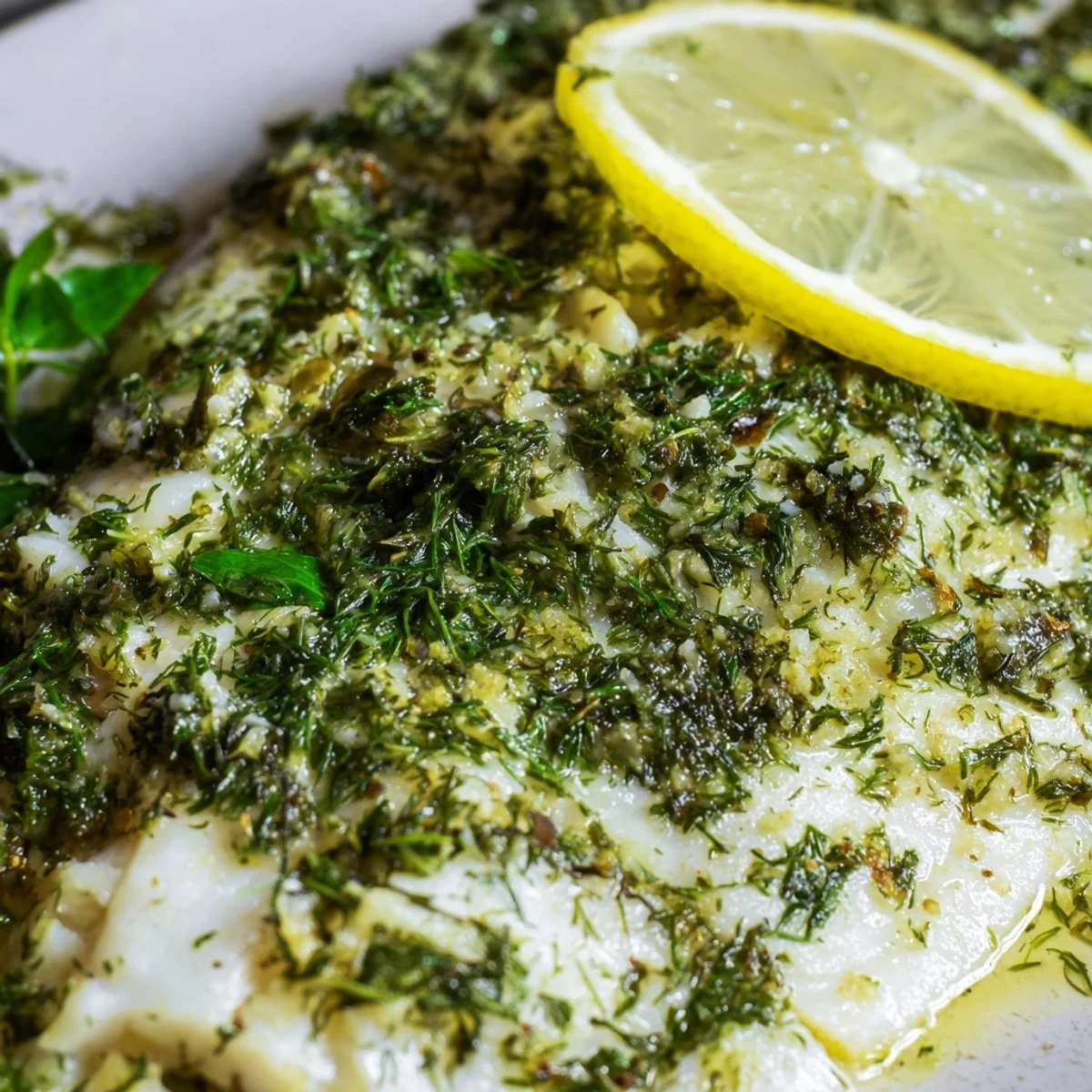
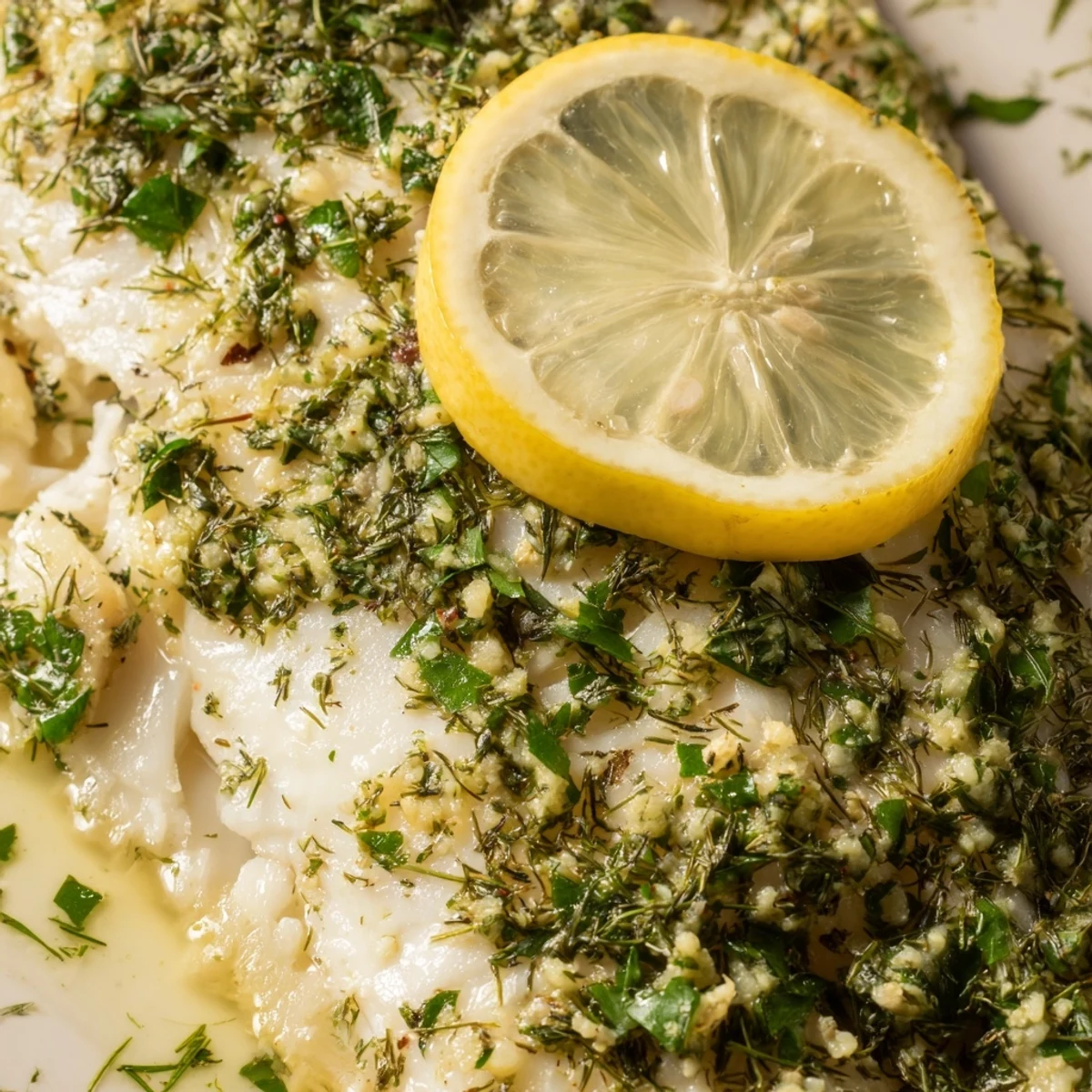
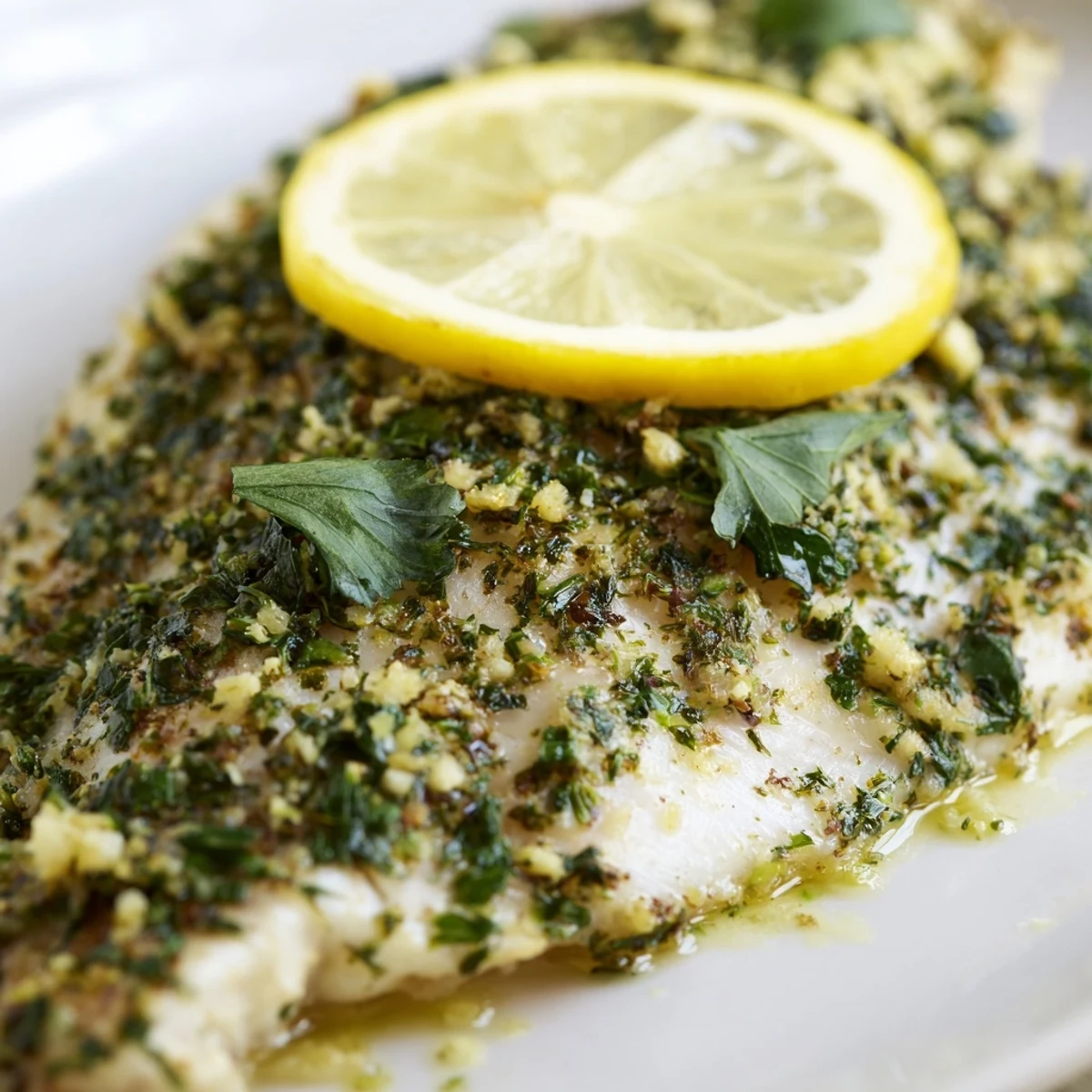
Save This dish features moist tilapia fillets seasoned with a fragrant mix of parsley, dill, basil, garlic, oregano, and lemon zest. The fish is drizzled with olive oil, layered with lemon slices, and baked until flaky and tender. Adding dry white wine around the fish enhances its bright flavors. Perfectly paired with steamed vegetables or a crisp salad, this easy-to-prepare meal offers a fresh, aromatic taste that's perfect for pescatarian and low-carb diets.
There's something about the smell of lemon and fresh herbs hitting hot fish that just stops you in your tracks. I discovered baked tilapia by accident one weeknight when I had exactly four fillets in the freezer and a handful of herbs on the counter demanding to be used. Twenty minutes later, my kitchen smelled like a Mediterranean restaurant, and everyone at the table looked surprised that something this elegant took so little effort. That's when I realized how dangerous it was to keep this recipe on repeat.
I made this for my mother-in-law without telling her how simple it was, and she genuinely thought I'd spent the afternoon in the kitchen. The way the lemon brightened everything, how the herbs stayed vibrant and visible on top—it felt like a small, delicious secret. She asked for the recipe, and when I showed her the ingredient list, she laughed and said she'd been overthinking dinner for years.
Ingredients
- Tilapia fillets (4, about 150g each): Mild, delicate, and forgiving—they won't dry out if you're a few minutes off on timing.
- Olive oil (1 tablespoon): Just enough to prevent sticking and carry the flavors, nothing more needed.
- Fresh parsley (2 tablespoons, finely chopped): The green backbone that keeps everything tasting fresh and not heavy.
- Fresh dill (1 tablespoon, finely chopped): Brings an anise-like brightness that pairs so well with fish.
- Fresh basil (1 tablespoon, finely chopped): Adds a gentle sweetness that balances the lemon.
- Garlic cloves (2, minced): Raw garlic scattered on top becomes mellow and sweet as the fish bakes.
- Dried oregano (1 teaspoon): The workhorse herb that ties everything together with an earthy note.
- Lemon zest (from 1 lemon): Bright and concentrated—more flavor than juice with less liquid.
- Lemon slices (1 lemon, thinly sliced): They soften as they bake and release juice naturally, seasoning the fish gently.
- Salt and freshly ground black pepper: Season generously; the oven concentrates flavors.
- Dry white wine (2 tablespoons, optional): Creates a light steam that keeps the fish impossibly tender.
Instructions
- Set your oven and prepare the stage:
- Heat to 200°C (400°F) and line your baking dish with parchment paper or a light coat of olive oil. This one small step keeps cleanup minimal and makes it impossible to accidentally stick the delicate fish.
- Dry and arrange the fish:
- Pat the tilapia dry with paper towels—moisture is the enemy of browning and flavor concentration. Lay them out in a single layer, leaving a little space between each fillet so heat can circulate.
- Season the base:
- Drizzle that tablespoon of olive oil over the fillets, then season both sides with salt and pepper. Don't be shy; white fish needs clear seasoning to shine.
- Mix your herb magic:
- Combine all those fresh herbs—parsley, dill, basil—with the minced garlic, dried oregano, and lemon zest in a small bowl. This is where the soul of the dish lives; fresh herbs should still be vibrant and fragrant when you smell it.
- Crown the fish:
- Sprinkle that herb mixture evenly over each fillet, then arrange lemon slices on top. The visual appeal matters here because it signals what's about to happen—bright, fresh, alive.
- Optional wine pour:
- If you're using white wine, pour it gently around the fish, never directly on top (which would wash away your herbs). The wine creates a gentle steam that keeps everything tender.
- Bake to perfection:
- Slide into the oven for 15 to 20 minutes. You're looking for opaque flesh that flakes easily with a fork—overcooking happens fast with thin fillets. The herbs will have softened into the fish, and lemon will have mellowed into the pan juices.
- Serve with intention:
- Plate immediately while warm, maybe garnish with a few fresh herb leaves if the mood strikes. Those pan juices deserve to be spooned over the top.
 Save
Save I'll never forget watching my teenage son eat this without complaint, ask for seconds, and then ask what was in it. When I listed the ingredients, he seemed almost disappointed that there wasn't some hidden technique or exotic element. That's the whole point, really—simplicity done well tastes like love, even when no one's been slaving away.
Fish That Won't Fall Apart
Tilapia has this tender, almost delicate texture that requires respect. It flakes easily, which is beautiful when you're serving it, but means you can't manhandle it during cooking. Keep it on parchment paper so you're not flipping it or moving it around unnecessarily. If you're worried about it sticking, that's exactly why the parchment exists. The moisture in the oven—from the lemon, the wine, even just the herbs releasing their water—creates a gentle steam that keeps everything from drying out. I've learned that tilapia actually prefers this gentler approach over high heat.
Fresh Herbs Make All the Difference
There's genuinely no way around this one: dried herbs can't do what fresh ones do here. Fresh parsley, dill, and basil carry brightness and subtle complexity that dried versions just can't match. If you're in a situation where you only have dried herbs, use about one-third the amount because they're more concentrated, and know that the dish will taste more muted but still be perfectly fine. One thing I discovered after a few tries is that chopping herbs just before using them releases more flavor and aroma—don't prep them hours ahead. The zest matters too; it's tiny but carries all the lemon intensity without adding liquid to the fish.
Variations and What Works
This formula is forgiving enough to adapt based on what's in your kitchen and what you're craving. Cod, haddock, or even halibut swim right into this recipe without changes. For vegetables, roasted asparagus or sliced zucchini can bake alongside the fish without interfering. If you have fresh thyme instead of dill, use it; if cilantro appeals to you, it works beautifully with lime instead of lemon. These aren't failures of the original recipe—they're just honest variations that let you make it yours.
- Swap mild white fish freely; adjust timing by 2-3 minutes for thicker or thinner fillets.
- A pinch of red pepper flakes transforms the dish if you like warmth and heat.
- Serve with steamed vegetables, rice, or a crisp salad to round out the plate.
 Save
Save The best part about this recipe is how it reminds you that good food doesn't require complexity or stress. It's ready when you need it and tastes like someone actually cared.
Common Questions
- → What herbs are best for enhancing tilapia flavor?
-
Fresh parsley, dill, and basil combined with garlic and oregano create a bright, aromatic profile that complements tilapia well.
- → Can I substitute tilapia with other fish?
-
Yes, mild white fish like cod or haddock work well as alternatives in this baked herb preparation.
- → Is it necessary to use white wine in the baking process?
-
White wine adds subtle depth but is optional; you can omit it if preferred without losing flavor.
- → How do I know when the fish is fully cooked?
-
The tilapia is done when it turns opaque and flakes easily with a fork, usually after 15–20 minutes baking.
- → What are suitable side dishes for this meal?
-
Steamed vegetables, rice, or a crisp salad pair nicely, enhancing the light and fresh flavors of the fish.