
 Save
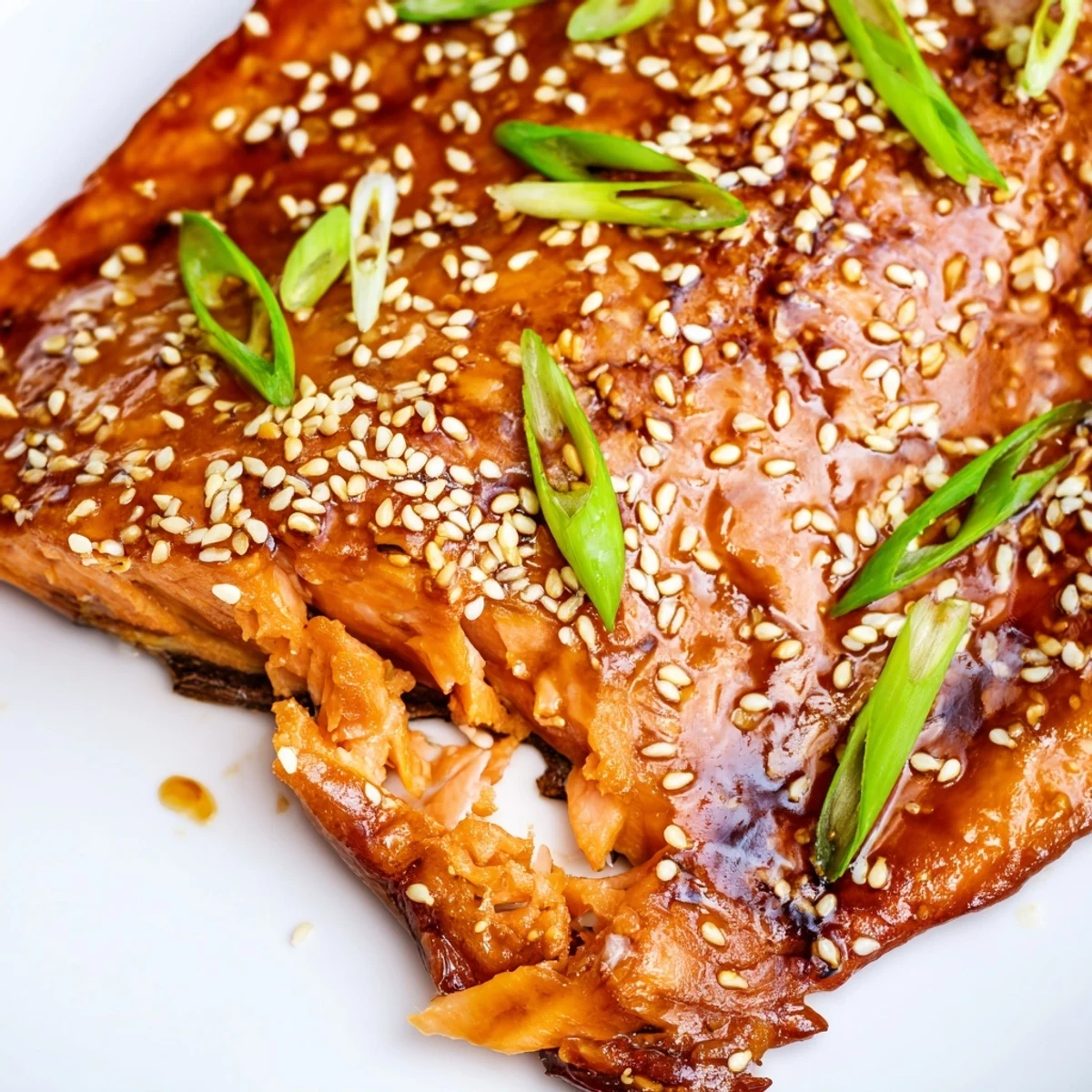
Save This dish features tender, flaky salmon fillets enveloped in a sweet and savory teriyaki glaze. The fish is seasoned with salt and pepper, brushed with a homemade glaze of soy sauce, honey, mirin, rice vinegar, sesame oil, garlic, and ginger, then baked to perfection. Once out of the oven, the salmon is glazed again and sprinkled with toasted sesame seeds and fresh green onions for added texture and flavor. Serve with lime wedges or steamed rice for a delicious Asian-inspired meal.
One weeknight, I was standing in front of my open fridge at 5:45 PM, dinner guests arriving in an hour, when I spotted a beautiful salmon fillet and remembered a small Japanese restaurant where I'd eaten something magical—glossy, caramelized, and somehow both sweet and savory at once. That night, I threw together a teriyaki glaze from pantry staples and baked the salmon, and the moment I pulled it from the oven, my kitchen smelled like a place I'd never been but suddenly wanted to cook from every day.
I made this for my sister's birthday dinner last spring, and I'll never forget her face when she took that first bite—she closed her eyes like she was tasting something she'd been craving without knowing it. We sat at the table longer than usual that night, and nobody rushed to leave, which tells you everything you need to know about how this dish makes people feel.
Ingredients
- Salmon fillets (4, about 6 oz each): Look for ones that feel firm and smell like the ocean, not fishy; skin-on keeps them juicy but skinless works beautifully too.
- Kosher salt and freshly ground black pepper: These seem obvious, but they're your foundation—don't skip the fresh grinding.
- Low-sodium soy sauce (1/3 cup): Low-sodium gives you room to taste and adjust without oversalting the whole dish.
- Honey or maple syrup (3 tablespoons): Honey caramelizes faster, but maple syrup adds an earthy note if you prefer something deeper.
- Mirin (2 tablespoons): This Japanese rice wine is the secret to that glossy, professional-looking glaze; if you can't find it, dry sherry works in a pinch.
- Rice vinegar (1 tablespoon): A bright touch that keeps the glaze from tasting too heavy or one-dimensional.
- Toasted sesame oil (2 teaspoons): A little goes a long way; toasted is non-negotiable because that's where the nutty flavor lives.
- Garlic and ginger (2 cloves garlic, minced; 1 teaspoon ginger): Fresh ginger makes all the difference—pre-grated loses its punch fast.
- Cornstarch slurry (1 teaspoon cornstarch mixed with 2 teaspoons water): This is what turns sauce into glaze and makes it cling to the salmon instead of running off.
- Toasted sesame seeds and green onions (for garnish): Toast your own seeds if you can; they're crunchier and taste like something worth the extra minute.
Instructions
- Get your oven ready and set the stage:
- Preheat to 400°F and line your baking sheet with parchment paper so the salmon doesn't stick and cleanup is effortless. This one detail changes everything about how you feel when dinner is done.
- Dry and season the salmon:
- Pat those fillets completely dry with a paper towel—moisture is the enemy of crispy edges. Sprinkle salt and pepper generously on both sides and lay them skin-side down, giving them some breathing room on the sheet.
- Build the glaze:
- In a small saucepan, pour in the soy sauce, honey, mirin, rice vinegar, and sesame oil, then add the garlic and ginger. Bring it to a gentle simmer—you want to see little bubbles, not a rolling boil, because you're coaxing flavors together, not cooking them away.
- Thicken it into something glossy:
- Stir in your cornstarch slurry and keep stirring for about a minute until it looks like glossy syrup, not thin sauce. This moment is satisfying—you'll see it transform right before your eyes.
- First coat of glaze:
- Brush half the warm glaze over each salmon fillet with a pastry brush, making sure it coats evenly. Don't be shy; this is where the flavor lives.
- Bake until just cooked through:
- Slide the sheet into the oven for 12 to 15 minutes, depending on how thick your fillets are—the salmon should flake easily with a fork but still feel slightly moist inside. Start checking at 12 minutes; overcooked salmon tastes like a missed opportunity.
- Final glaze and garnish:
- Pull the sheet out, brush on the remaining glaze, then scatter the toasted sesame seeds and green onions over the top like you're finishing something beautiful. This is the moment it goes from cooked to restaurant-quality.
- Serve with warmth:
- A squeeze of fresh lime over each fillet brightens everything, though it's optional—taste and decide.
 Save
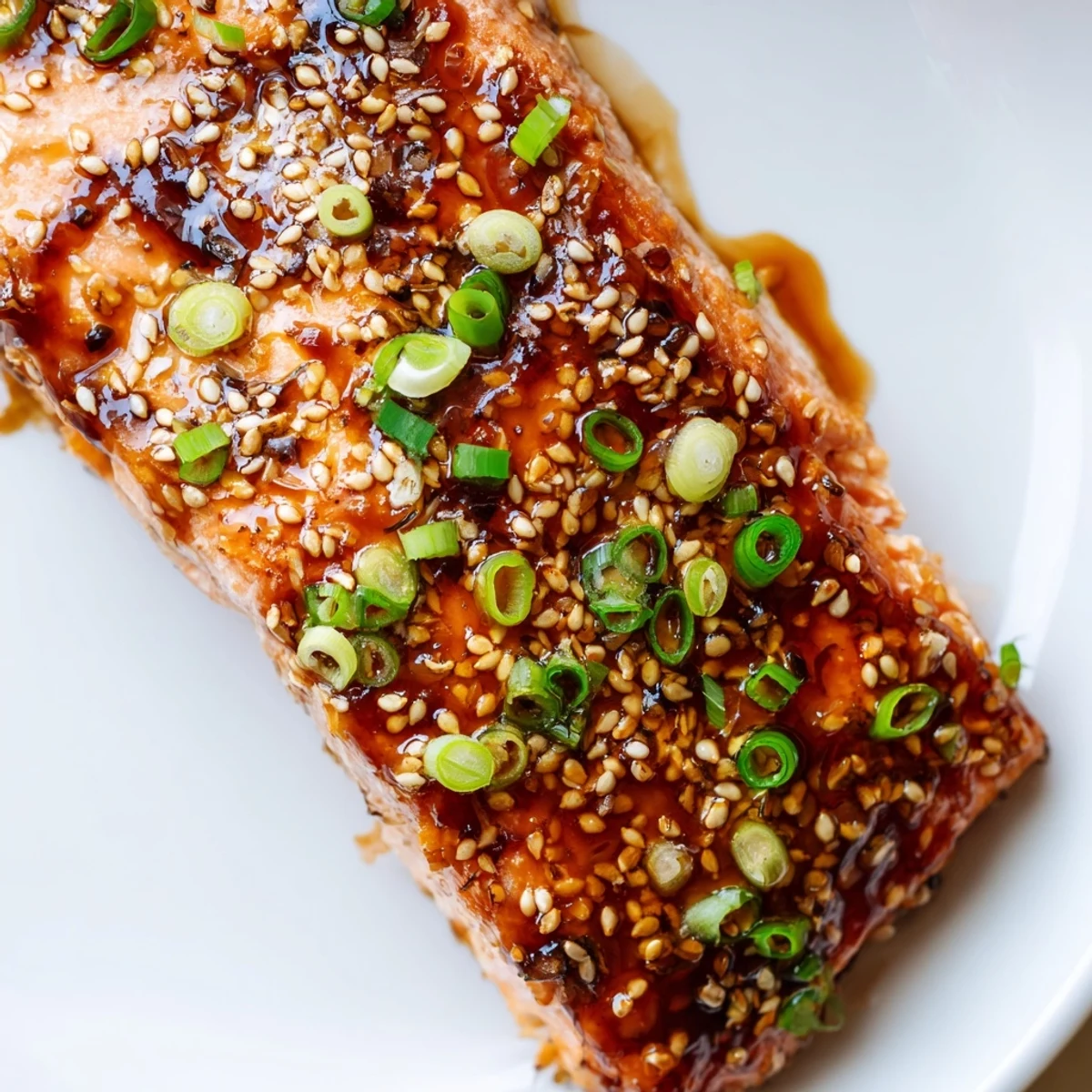
Save There's a moment right when you brush that last coat of glaze on and the sesame seeds catch the oven light, when you realize you've made something that looks fancy but took almost no time at all. That's when cooking stops being a chore and starts being a small magic trick you get to perform.
Why This Glaze Changes Everything
Teriyaki isn't complicated, but it's precise—the balance of salty, sweet, and tangy is what makes it sing. The soy sauce brings depth, the honey or maple syrup adds brightness when it caramelizes, and the mirin brings a subtle complexity that makes people pause and say what is that? The toasted sesame oil ties everything together with a warmth that tastes like someone's grandmother knew what she was doing.
Timing and Temperature Matter
A 400-degree oven is hot enough to cook salmon through in under 15 minutes without drying it out, which is the sweet spot for weeknight dinners. The glaze can go on twice because it thickens as it cools slightly—the first coat soaks in and builds flavor, the second coat stays glossy and visible, so every bite tastes intentional. If your fillets are thicker than an inch, give them a couple extra minutes, but watch carefully because salmon cooks faster than you think.
Simple Sides That Let Salmon Shine
Steamed jasmine rice soaks up the extra glaze, sautéed bok choy adds color and a slight bitter edge that balances the sweetness, and roasted broccoli gives you something crispy to contrast with the tender fish. You don't need much—this dish is already complete, so your sides should be quiet and supportive, not competing for attention.
- Jasmine rice absorbs the teriyaki glaze and feels luxurious without any effort.
- A sprinkle of fleur de sel on the rice keeps it from tasting flat.
- Serve everything while the salmon is still warm and the sesame seeds are still crispy.
 Save
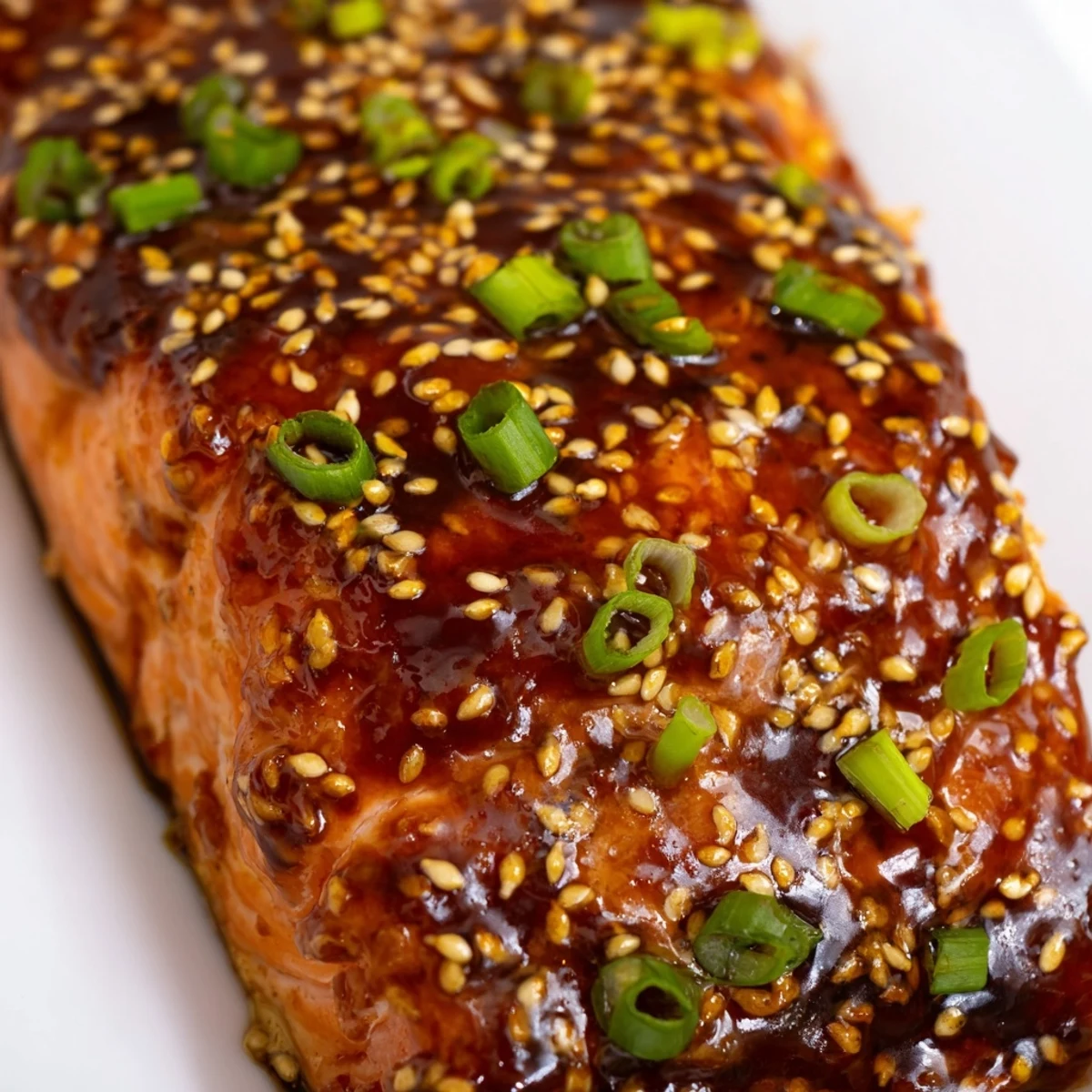
Save This is the kind of dish that makes weeknight cooking feel effortless and special at the same time, the kind that people remember and ask you to make again. Once you've made it once, you'll make it a hundred times.
Common Questions
- → What type of salmon is best for this dish?
-
Fresh, skin-on or skinless salmon fillets work well. Opt for wild-caught if possible for optimal flavor and texture.
- → Can I prepare the glaze ahead of time?
-
Yes, the teriyaki glaze can be made in advance and stored in the refrigerator for up to 3 days.
- → How do I know when the salmon is fully cooked?
-
Salmon is done when it flakes easily with a fork and is opaque throughout, usually after 12–15 minutes of baking.
- → What can I substitute for mirin in the glaze?
-
Dry sherry or a sweet white wine can be used as a substitute for mirin to maintain flavor balance.
- → How do toasted sesame seeds enhance the dish?
-
They add a nutty aroma and a slight crunch, complementing the glaze and adding visual appeal.
- → Is it possible to make this dish gluten-free?
-
Yes, replace regular soy sauce with gluten-free tamari or a certified gluten-free soy sauce.