
 Save
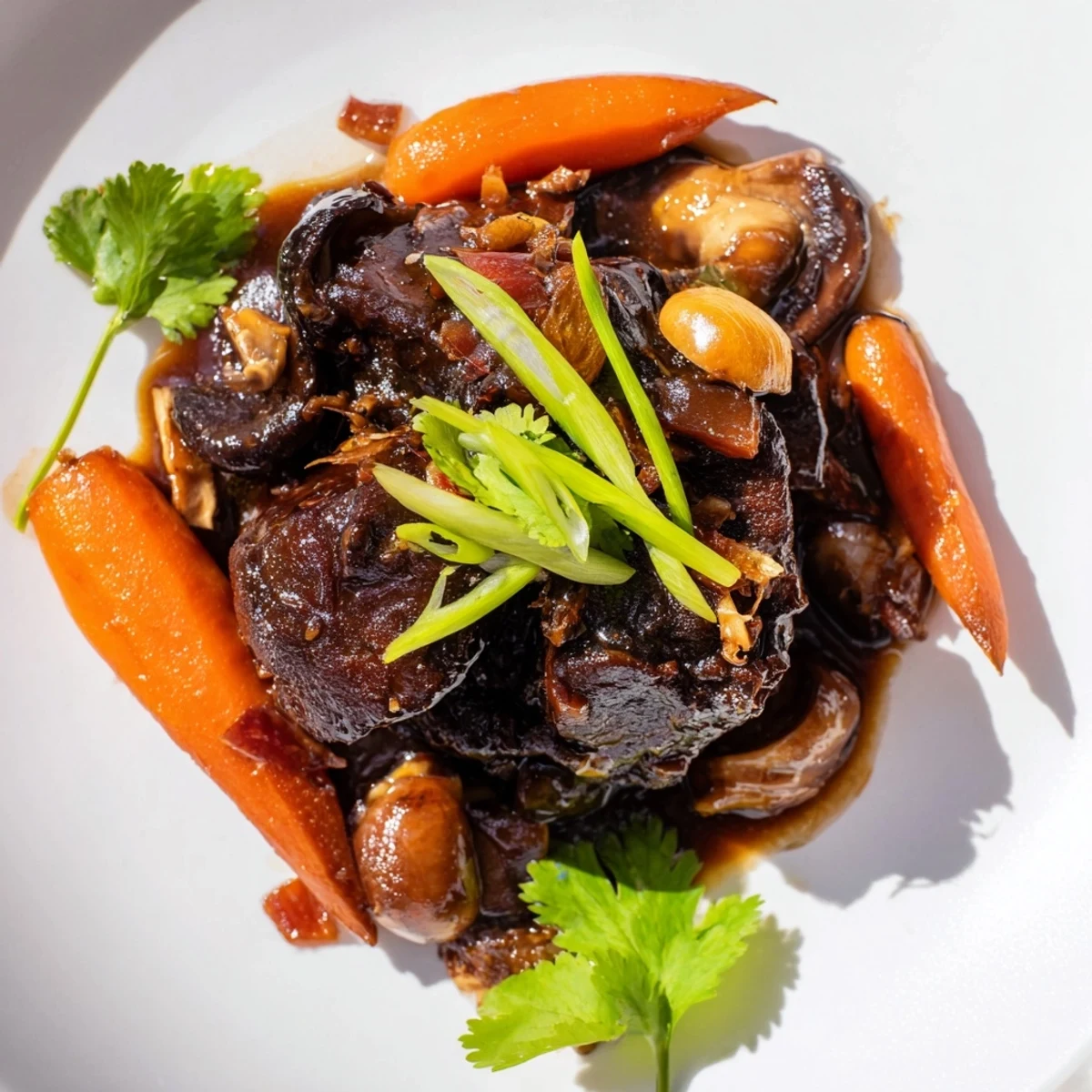
Save Succulent beef cheeks transform into melt-in-your-mouth tenderness through slow braising in an aromatic Asian-inspired sauce. The umami-rich blend of soy sauce, oyster sauce, and hoisin creates a deeply flavorful coating that penetrates every fiber of the meat. Earthy shiitake and cremini mushrooms add texture and depth, while star anise and cinnamon impart subtle warmth throughout the 3-hour cooking process.
This comforting dish delivers restaurant-quality results with simple preparation. The beef becomes incredibly tender, easily yielding to a fork, while the sauce reduces into a glossy, rich glaze. Perfect served over steamed jasmine rice or creamy mashed potatoes to soak up every drop of the flavorful braising liquid.
The first time I cooked beef cheeks, I was honestly intimidated. These tough, gelatinous cuts seemed like theyd never transform into something edible, let alone delicious. But after hours of slow braising in this aromatic Asian-inspired broth, my entire apartment smelled like a high-end restaurant. When I finally pulled that fork through the meat, it literally fell apart in ribbons, rich and meltingly tender.
I made this for a dinner party last winter during a terrible rainstorm. Everyone arrived soaked and shivering, but when I lifted that pot lid and the aromas of star anise and cinnamon hit them, the whole mood shifted instantly. We ate standing up in the kitchen, dipping bread into that dark glossy sauce, and nobody even cared about the formal table Id set.
Ingredients
- Beef cheeks: These inexpensive cuts are packed with collagen that breaks down into incredible richness during long cooking
- Shiitake and cremini mushrooms: The combination provides both intense umami depth and tender meaty texture
- Star anise and cinnamon: These whole spices create that warm aromatic backbone that feels so comforting
- Oyster sauce and hoisin: They add that glossy sweetness and savory complexity that makes Asian braises so addictive
- Dark soy sauce: Use this specifically for the deep caramel color it imparts to the final dish
Instructions
- Marinate the beef:
- Combine beef cheeks with soy sauce, Shaoxing wine, and black pepper in a bowl, ensuring each piece is well coated. Let it sit for at least 30 minutes, though overnight in the refrigerator will give you the deepest flavor penetration.
- Sear for flavor:
- Heat vegetable oil in your Dutch oven until shimmering hot, then brown the beef on all sides until deeply caramelized. This step creates those flavor compounds that will infuse the entire sauce during braising.
- Build the aromatic base:
- In the same pot, sauté onions, garlic, and ginger in sesame oil until fragrant and softened. Add carrots and mushrooms, cooking until they take on some golden color and release their earthy aroma.
- Combine and braise:
- Return the beef to the pot along with all the braising liquids and whole spices. Bring everything to a gentle simmer, cover tightly, and transfer to your low oven or slow cooker.
- Cook to perfection:
- Let everything braise slowly for 3 to 3.5 hours, checking occasionally that the liquid hasnt reduced too much. The beef is done when it yields easily to a fork and the sauce has thickened to coat a spoon.
 Save
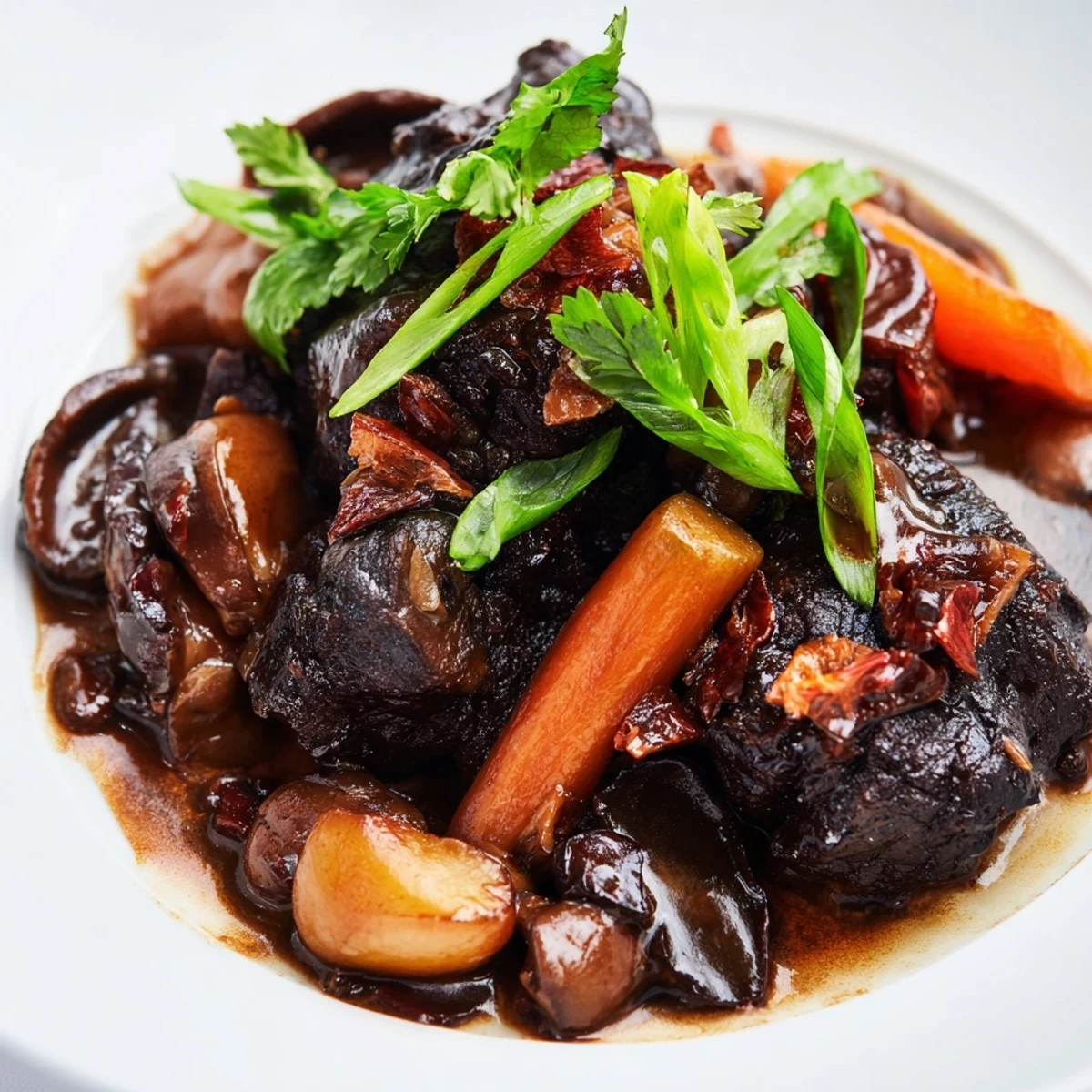
Save This recipe became my go-to comfort food after a particularly awful week at work. Something about the slow process, the building layers of flavor, and the sheer coziness of the final dish felt like giving myself a warm hug. I now associate that star anise scent with turning bad days around.
Making It Ahead
This braised beef actually improves after a night in the refrigerator. The flavors meld and deepen, and you can easily spoon off any fat that solidifies on top. Just reheat gently on the stove, adding a splash of water if the sauce has thickened too much.
Serving Suggestions
I love this over steamed jasmine rice that soaks up every drop of that incredible sauce. Creamy mashed potatoes work beautifully too, providing a mild contrast to the intense flavors. Fresh herbs at the end are essential to cut through the richness.
Worthwhile Additions
Consider adding these extras to customize the dish to your taste.
- Bok choy or spinach during the last 15 minutes for color and freshness
- A splash of Chinese black vinegar for subtle acidic brightness
- Extra chili if you want more heat to balance the sweet elements
 Save
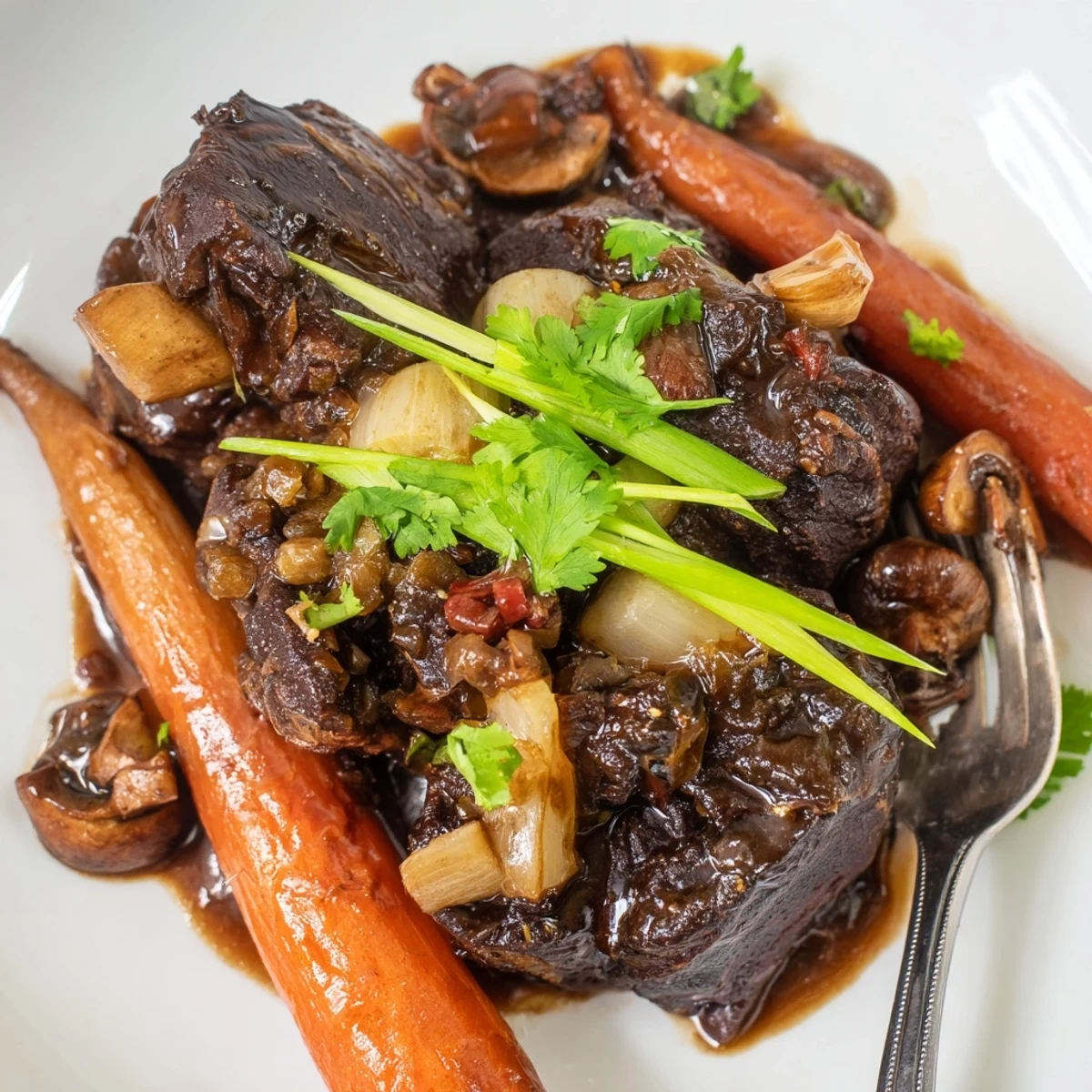
Save Theres something deeply satisfying about transforming an inexpensive cut into something this luxurious. Hope this brings as much comfort to your table as it has to mine.
Common Questions
- → What cut of beef works best for this dish?
-
Beef cheeks are ideal due to their high collagen content, which breaks down during slow cooking to create incredibly tender, melt-in-your-mouth meat. If unavailable, beef short ribs make an excellent substitute with similar rich flavor and texture.
- → Can I make this in a slow cooker?
-
Absolutely. After searing the beef and sautéing the aromatics, transfer everything to your slow cooker. Cook on low for 6-8 hours or on high for 4-5 hours until the meat is fork-tender. The results will be equally delicious.
- → How do I know when the beef cheeks are done?
-
The beef is ready when it yields easily to a fork and can be pulled apart with minimal effort. This typically takes 3-3.5 hours in the oven or longer in a slow cooker. The meat should be incredibly tender and the sauce rich and slightly reduced.
- → Can I prepare this dish ahead of time?
-
This dish actually improves when made ahead. Prepare it up to 2 days in advance and refrigerate overnight. The flavors deepen and the fat renders beautifully. Reheat gently on the stove, adding a splash of water or stock if the sauce has thickened too much.
- → What vegetables can I add or substitute?
-
Bok choy, spinach, or baby corn make excellent additions in the last 15 minutes of cooking. Daikon radish adds authentic Asian flavor and holds up well to long braising. For a heartier version, add chunks of potato or sweet potato along with the carrots.
- → Is this dish gluten-free?
-
The dish can be made gluten-free by using gluten-free soy sauce and checking that your oyster sauce and hoisin sauce are certified gluten-free. Traditional versions contain gluten due to wheat-based soy sauce, but simple substitutions make this accessible for gluten-free diets.